A market-driven economic model for UPI is essential to fund escalating cybersecurity, scalability, and infrastructure costs, UPI operator NPCI’s MD and CEO Dilip Asbe said.
Speaking at the 13th SBI Banking & Economics Conclave 2026, Asbe defended the move to introduce merchant discount rate (MDR) charges on UPI. The MDR regime will come into effect from October 15.
Asbe said that the tools currently available to attackers are more powerful than those deployed within parts of the payments ecosystem. He added that banks and payments companies would need to continuously invest in AI to protect their systems and retain users’ trust.
“The ability and the tools with the hackers are really very powerful compared to what we could actually use inside. And somewhere AI is fairly expensive to use, and we’ll have to continue to invest, use AI to make our systems fully protected… (so that) the trust in the payment system is fully maintained. So again, a lot of investments will be required on that,” he said.
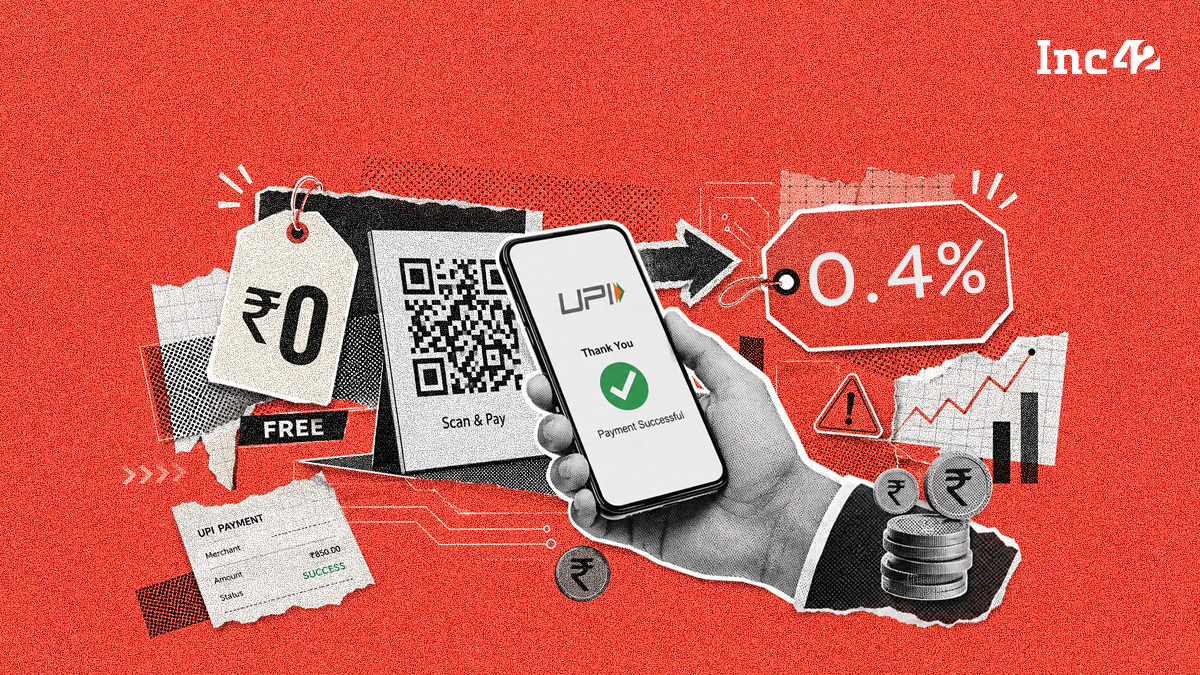
His remarks came days after NPCI introduced an MDR framework for select P2M UPI transactions. Under the new framework, eligible UPI merchant payments exceeding ₹2,000 will attract an MDR of 0.4%, capped at ₹300 per transaction. Transactions in certain categories, including fuel, railways, telecom, insurance, and capital markets, will attract lower or fixed charges.
Asbe said the cost of maintaining and expanding the payments infrastructure has risen sharply. He claimed that certain server hardware that cost around ₹20 Lakh a year ago now costs nearly ₹1 Cr.
Source link