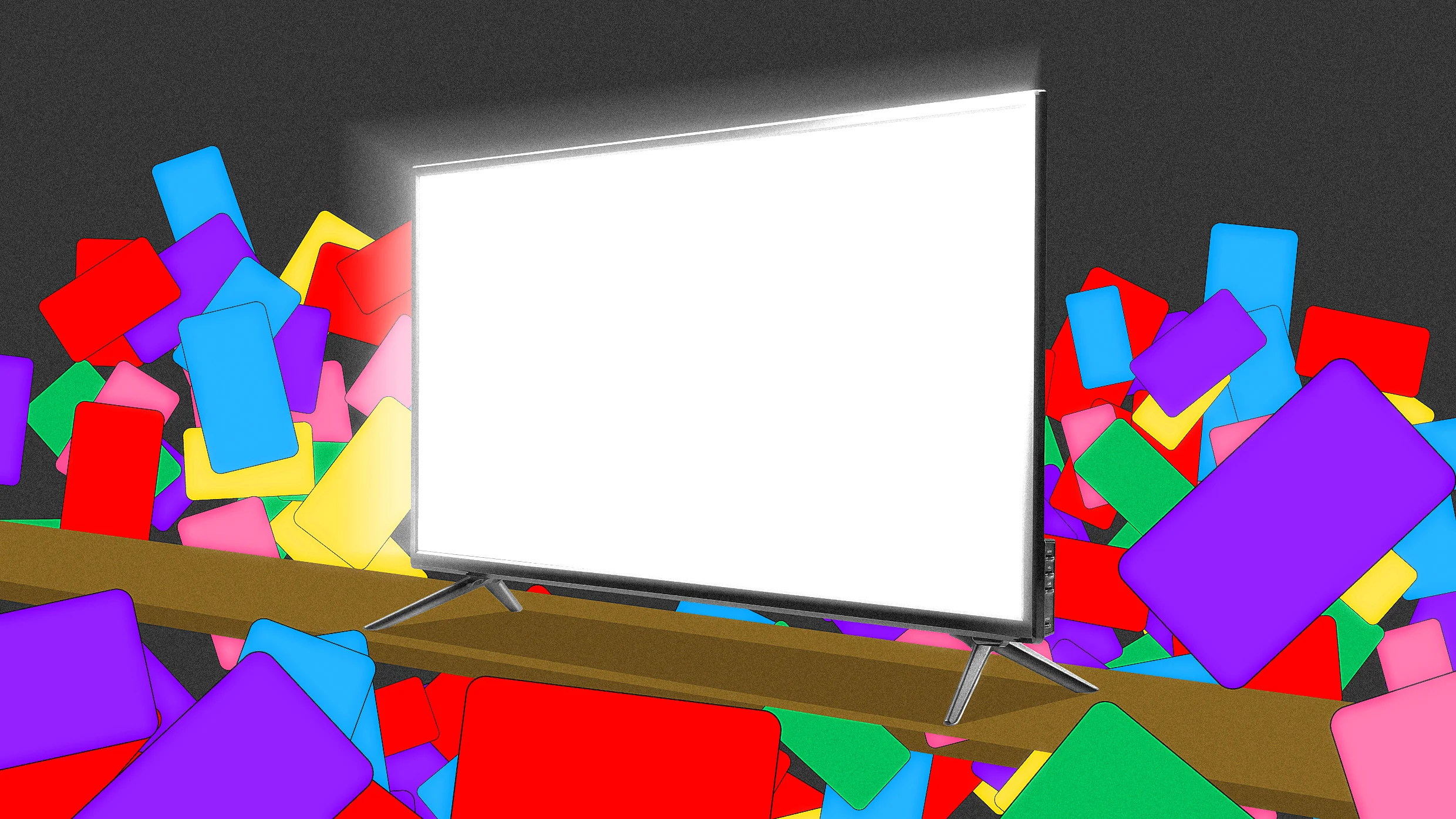
On a quiet Monday evening, 42-year-old Igor Aguiar decided to give his 75-inch Amazon Fire TV a much-needed—and pointedly pious—facelift.
Ninety minutes and a handful of AI prompts later, he sat back to admire his handiwork. The TV’s original home screen, once dotted with movie recommendations and toilet paper ads, was gone. In its place sat a sleek, colorful replacement launcher with shortcuts to his most-used apps and, more crucially, a breakdown of the day’s significance in the Catholic liturgical calendar.
“I needed something more useful to me,” he tells me. “That’s kind of why I said, OK, let me try to make this a Catholic TV.”
Everybody is hacking their Smart TVs, so of course I had to do it too.
Here’s the new (very Catholic) home screen of my living room TV. https://t.co/HK9Gew4hSJ pic.twitter.com/HYfWHanr7d
Aguiar is a developer by trade, but he’s no smart TV guru. Instead, he’s one of a growing number of tinkerers using artificial intelligence to combat the software clutter gumming up the biggest screens in their homes. It can be less daunting than it sounds; in some cases, all it takes is toggling a few developer options on a compatible TV, pasting a prompt into the AI coding agent of your choice, and watching as the changes take hold.
The motivations behind these mods are as varied as the TVs people have been trying to overhaul.
Update – I have now vibecoded my TV to be a handsome, august library bookshelf! Each app is a book.
Source link