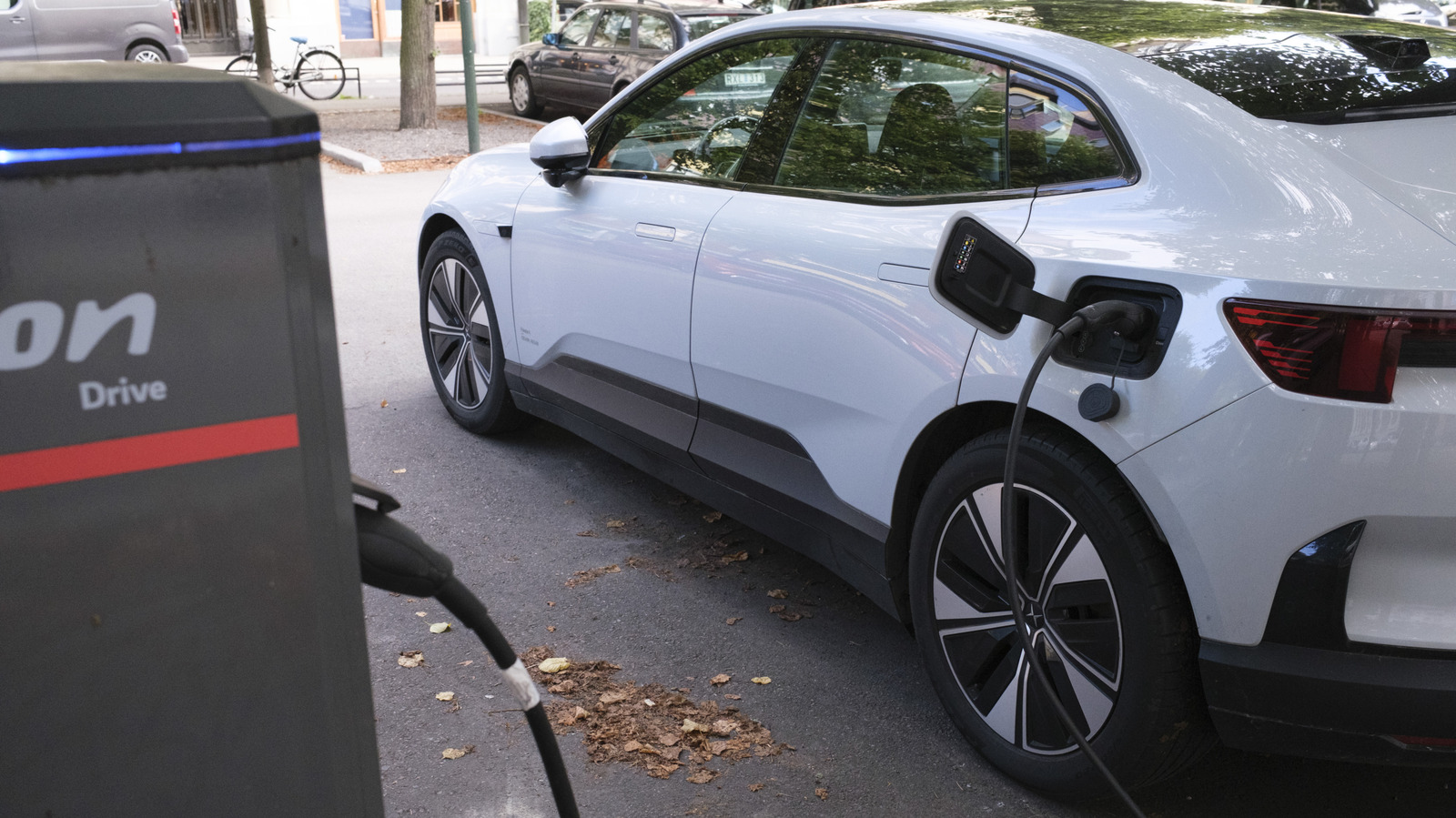
Although EVs are still pricier than they should be, once you've gone electric, it's hard to go back. They're quieter than combustion engines, cost less to maintain, and most importantly, electricity is a lot cheaper than gas. Many drivers can charge at home, although battery capacities have evolved past the point where you can (realistically) top up using the same outlet you use for your Shop-Vac.
Something auto dealers don't prepare you for is the necessity of treating your car like a smartphone. If you want to maintain reasonable range several years down the road, you shouldn't just charge however you feel like it. Abusing a car's battery can legitimately mean the difference between making an intercity trip in one shot or having to stop halfway for safety's sake.
Ideal practices boil down to what percentages you should charge at, what temperatures are acceptable, and when it's okay to use high-speed Level 3 charging. You don't need to be rigid about them. Avoiding bad habits, however, can certainly pay off in the long run.
The easiest habit to ditch is charging to 100 percent every time. There are plenty of circumstances in which a full charge is unavoidable, say if you're working at a remote job site, or heading out on a cross-country trip. If possible, however, lithium iron phosphate (LFP) batteries should only be fully topped up once per week, while nickel manganese cobalt (NMC) systems should be left around 80 to 90 percent most of the time.
Source link