So-called balcony solar setups are becoming legal across the US. Here's the latest.
Plug-in solar systems are easy to set up and can save consumers money on their power bills, but they’re still illegal in many states. Utah was the first to legalize backyard and plug-in solar, but other states have since caught on, and more are working on their own pathway to legalization.
Also: My favorite travel chargers pack a few tricks – one even has its own screen
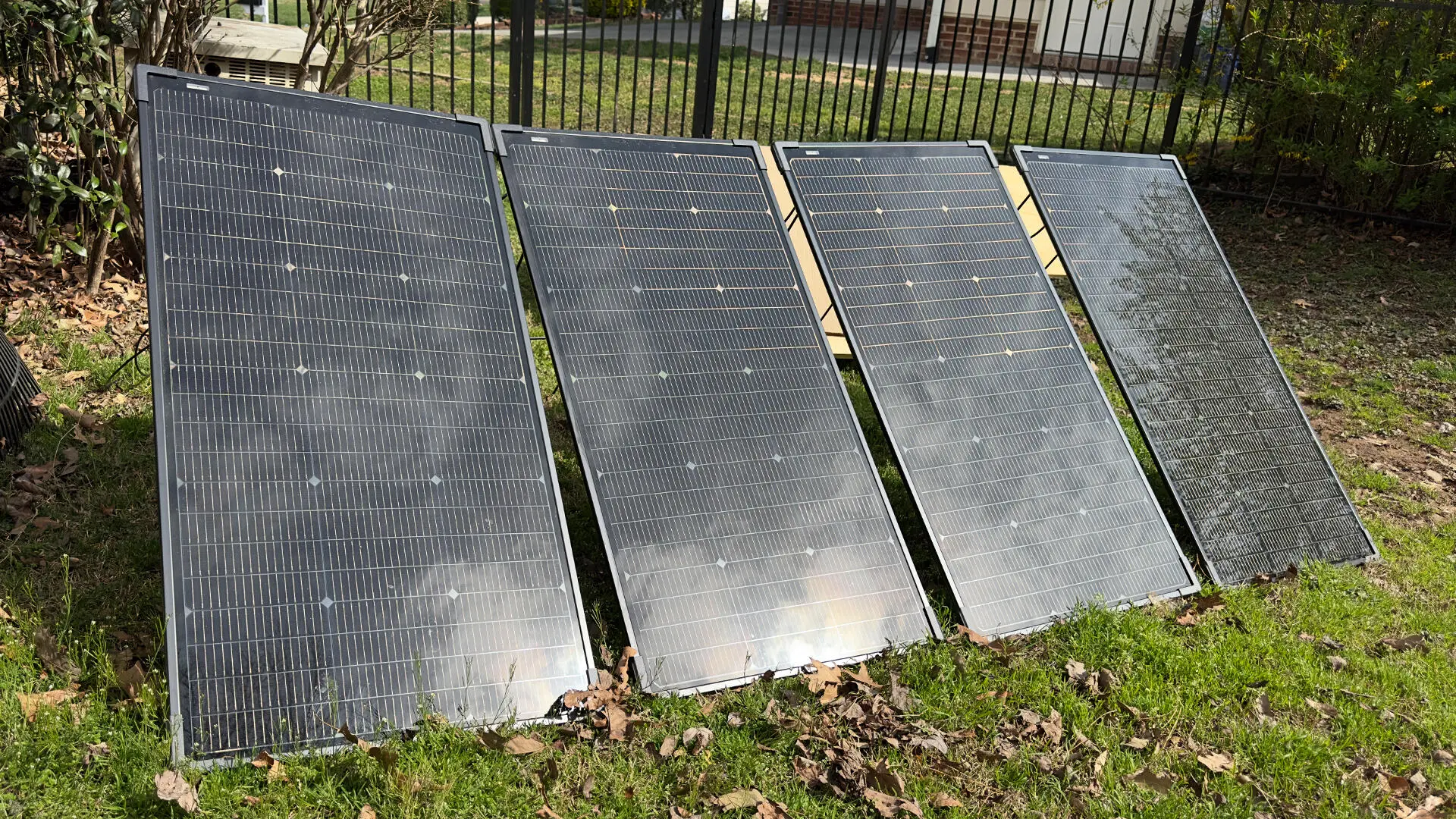
As we’ve covered before, these plug-in solar setups (also commonly called “backyard solar”) are plug-and-play systems consisting of one or more solar panels, an inverter, and a battery. The system connects to a home’s standard 120-volt outlet, automatically routing solar-generated electricity from the battery to the nearest running appliance.
These systems are restricted because most US household electrical systems aren’t designed to receive electricity through a standard wall outlet. Electrical codes, utility regulations, and equipment certification requirements in the US make them difficult to install legally.
Ten states have already legalized backyard and plug-in solar systems, so residents there can already purchase and install systems like the EcoFlow Stream in their homes. Here’s the current status of the states that have already successfully passed legislation, legalizing such devices for consumer use.
About two dozen states are still in the process of legalizing plug-in solar. Some bills have stalled until the next legislative session reconvenes in 2027, while others are going through committee hearings.
5175 and S3143 are advancing in Massachusetts, and the SUNNY Act is pending governor approval in New York.
Source link