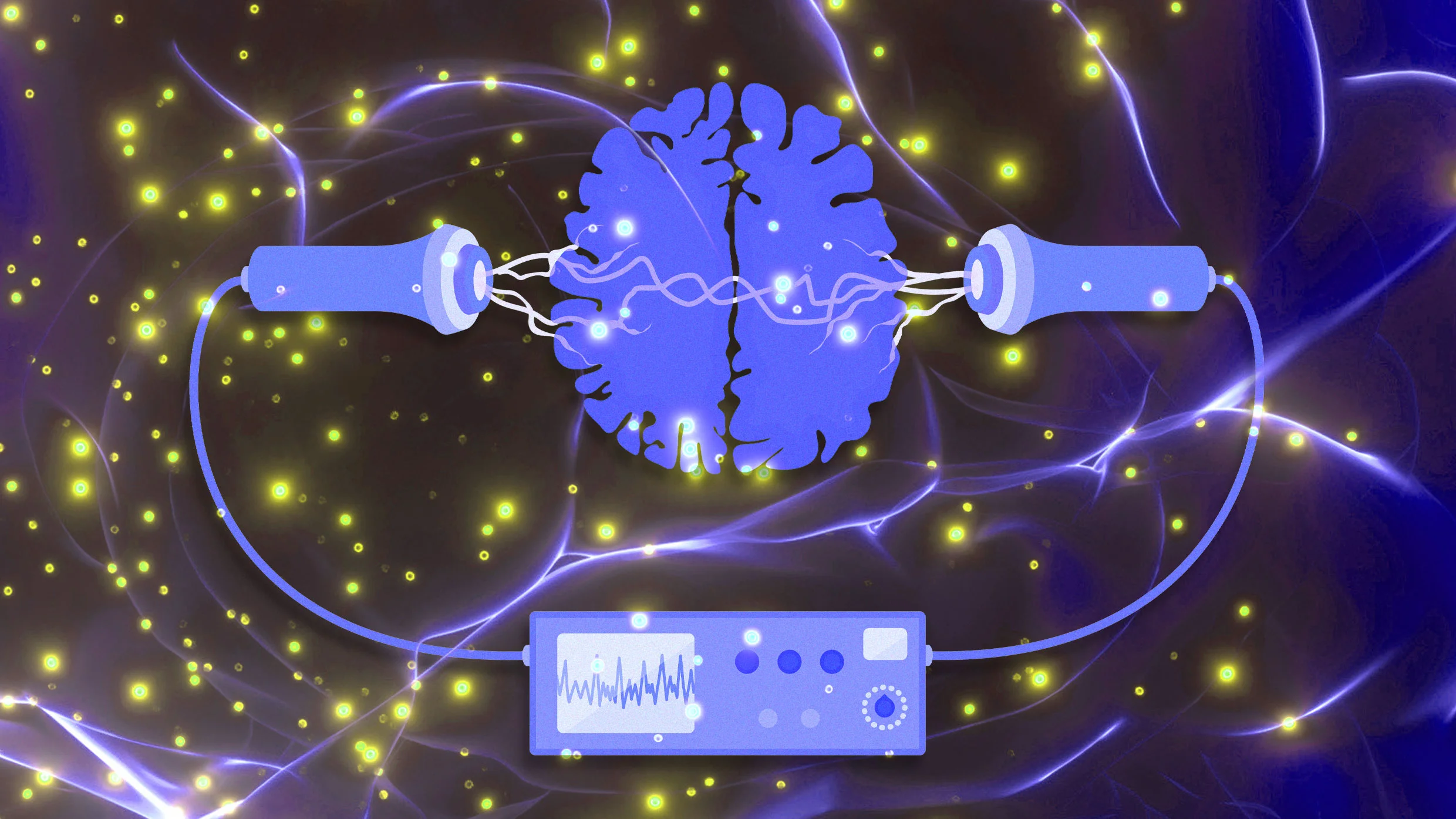
When I began considering electroconvulsive therapy, better known as electroshock, I assumed the “shock” part referred to the electrical zap you received. An electrode or two on your head. Some doctor pressing a button. A machine buzzed audibly. Zap, zap. You were shocked. Maybe changed forever. Maybe for good, maybe for ill. Zap, zap. Like a ray gun in a dystopian thriller. And no thriller was more dystopian (I flattered myself) than the anxious depression that had me in agony every waking moment.
Before I met those electrodes, accepted them onto my temples and into my life, my doctors gave me some books to read. I learned that most of what I thought I knew about ECT was deeply wrong. The real story was both grislier and more hopeful than you probably know.
When the Romanian-born psychiatrist Constance Pascal began using the term “shock” ( choc ) in her psychiatric clinic in France, around 1926, she was referring to physical treatments meant to surprise or disturb the body and brain, restoring the mind to equilibrium. Pascal considered mental illnesses to be a kind of allergic reaction, and she argued that resetting the brain and nervous system would be necessary for recovery. Pascal’s first shock therapies, in the late 1920s, used various means to prompt a reset, including induced fevers. Around the same time, in 1927 Berlin, the neurophysiologist Manfred Sakel was developing a new form of shock treatment in which a patient received potent injections of insulin. At proper doses, Sakel found he could induce a grand mal seizure as the patient came out of a hypoglycemic coma.
Source link