My cleaning cupboard was once stacked with endless products to clean windows, remove mold and blitz limescale. But now, when I open the doors, it’s a much calmer, tidier space, with fewer cleaning options.
Beyond saving money on expensive potions that often promise more than they deliver, I’ve started swapping my usuals for staple pantry items I already have at home.
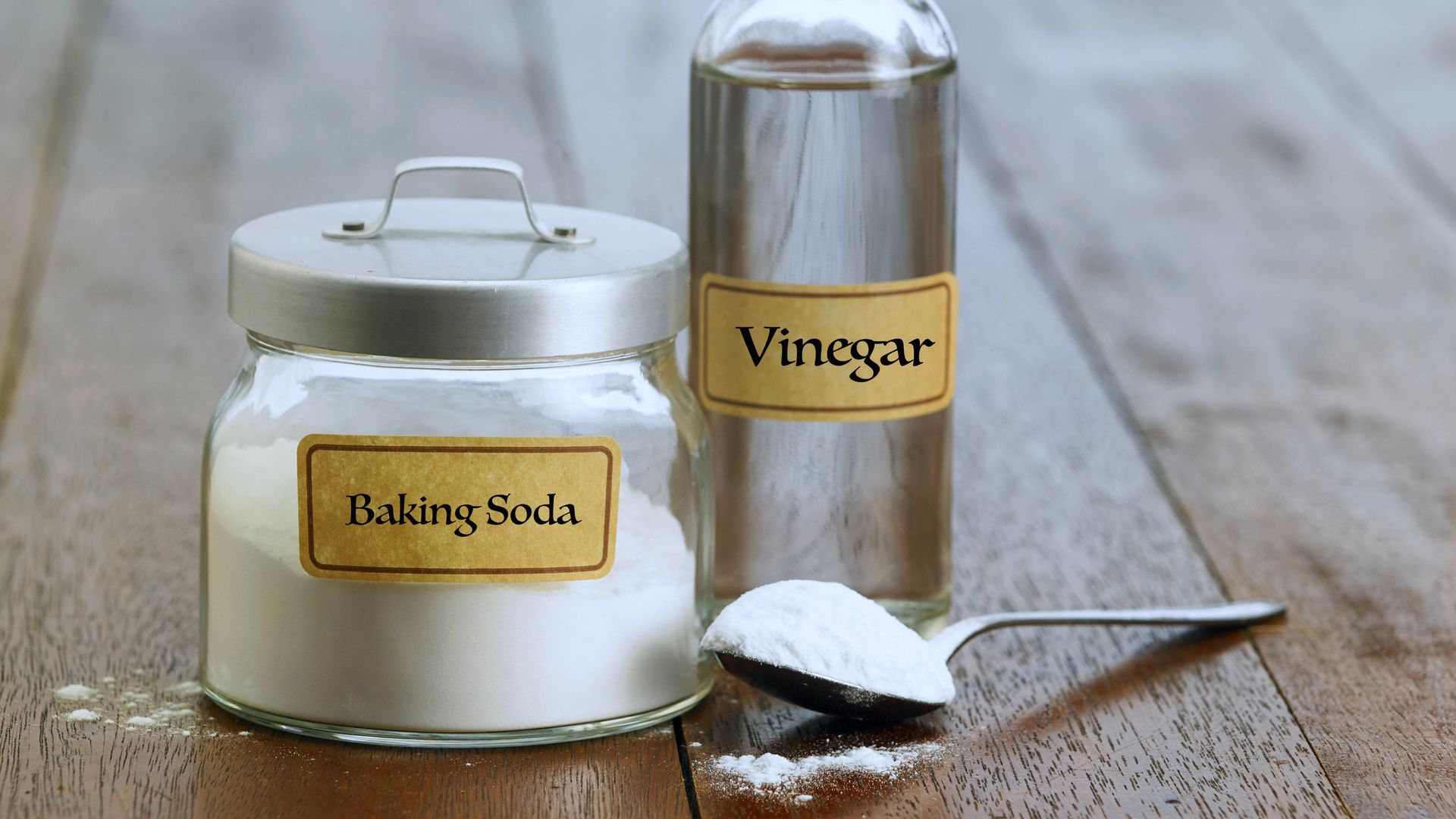
At Tom’s Guide, we often share how to use baking soda and vinegar in your cleaning routine, along with products such as dish soap, lemon and essential oils. But while you might already be using a paste of baking soda and dish soap to remove grease from clothing, or distilled white vinegar with water to clean your windows, can you use baking soda and vinegar together, or should they always be used separately?
Baking soda (sodium bicarbonate) is a mild alkali with a pH between 8.3 and 9. In baking, it reacts with acidic ingredients, such as buttermilk, yogurt or lemon, to release carbon dioxide gas. It helps your cakes and cookies rise.
In cleaning, it works as a gentle, non-abrasive scrub. As a paste, it lifts grease and burnt-on food from pans, and its odor-absorbing properties keep refrigerators and trash cans fresh.
Vinegar sits on the opposite end of the pH scale and is acidic. Standard distilled white vinegar, the go-to vinegar for cleaning, has a pH between 2.42 and 2.5.
The acetic acid in vinegar cuts through grime , dissolves mineral deposits like limescale and kills bacteria .
Source link