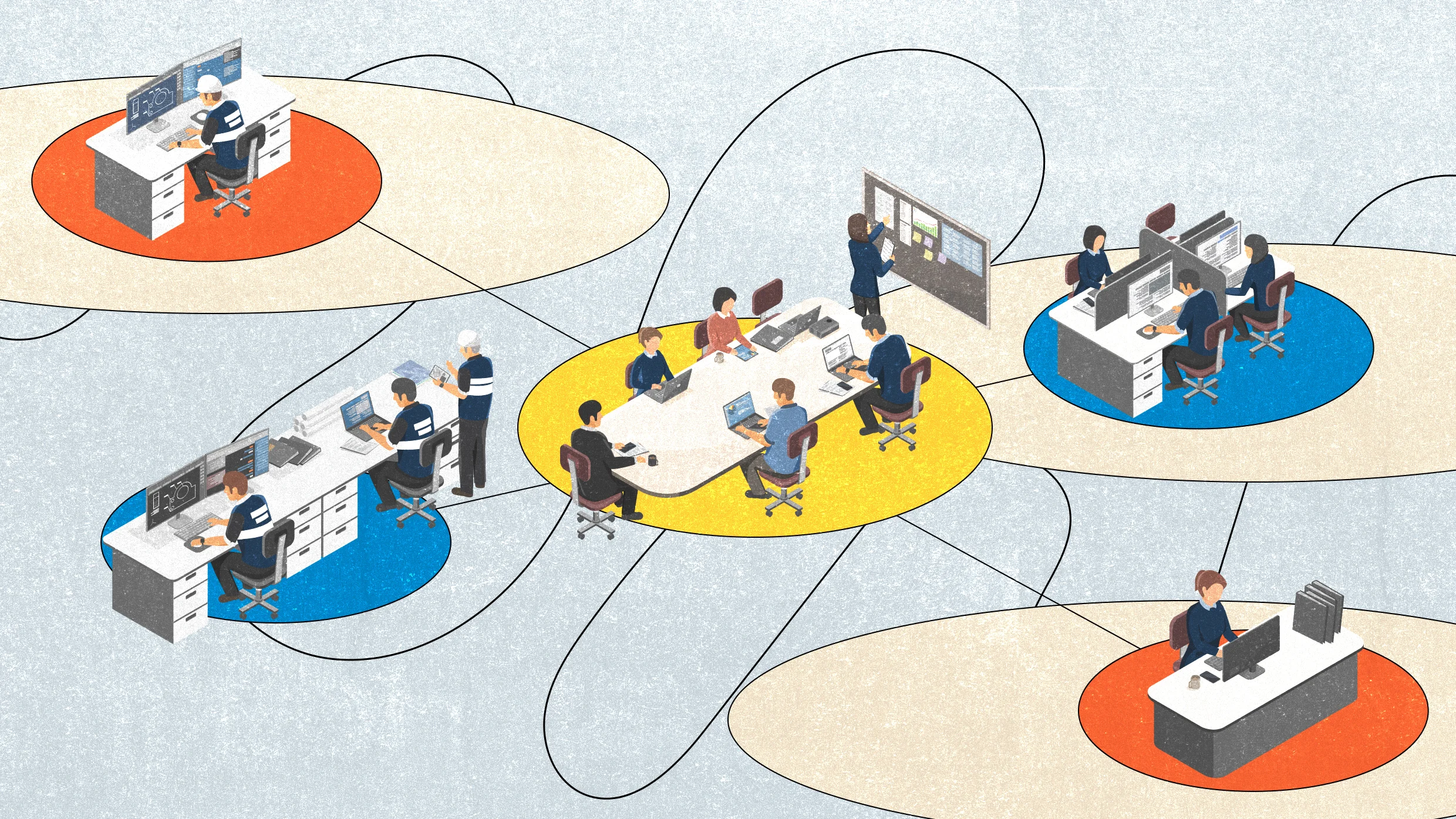
Just before the turn of the millennium, I worked for a global company in a boring six-floor brick building with long corridors and offices behind closed doors. I worked on a team of eight, all located in a corner on the third floor.
There were coffee machines everywhere, but for some reason, people came to our corner for their breaks. It wasn’t because we had better coffee; it was because of Martina.
Martina was our boss. Under her wing, the team stayed motivated, engaged, and full of energy. That corner became a magnet.
Then came a reorganization. Our group scattered across countries and departments. I stayed in the same building. A few months later, I went back to the third floor. The energy was gone. Nobody went there for their coffee breaks anymore.
That’s when it really hit me. It’s not the place; it’s the people. And bosses have an especially important role because they’re responsible for creating the conditions.
Almost 30 years later, that lesson feels surprisingly relevant. The debate about remote work has become strangely focused on where to work rather than how to work. Leaders ordering people back to the office often point to productivity, collaboration, culture, and connection. Employees who are resistant point to flexibility, autonomy, and less commuting.
S. healthcare organization. 89 for on-site employees.
Source link