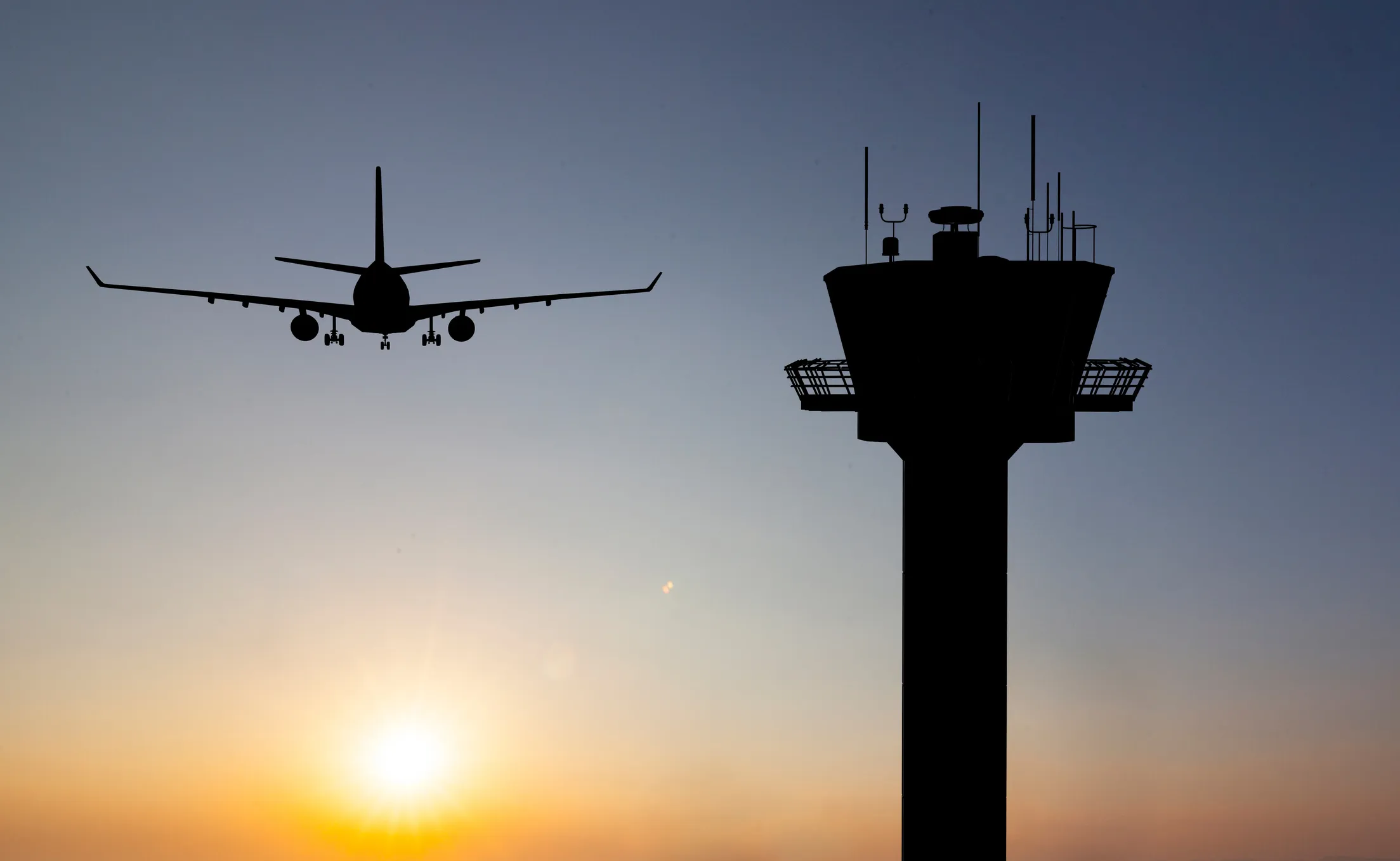
For years, there have been shortages of air traffic control personnel, leading to delays and congestion. To remedy these troubles, the Federal Aviation Administration and the US Department of Transportation are turning to a new tool: AI.
On Monday, these agencies announced that they’re beginning a trial of the new system, called Strategic Management of Airspace Routes and Trajectories, at three airports around the nation’s capital – Reagan National Airport, Dulles International Airport and BWI Thurgood Marshall Airport.
This $875 million software overhaul is not a replacement for human air traffic control operators, the DOT said, but is intended to reduce pressure on personnel by predicting delays and cancellations, and providing recommendations to the humans who retain control over flight operations.
Margaret Wallace, an assistant professor of aviation management at the Florida Institute of Technology, said meaningful action is necessary to address the aging air traffic control infrastructure, and calls to modernize the system have been ongoing – yet unanswered – for years.
While SMART is an important first step, she says, it “does not eliminate the human element,” and controllers need to remain at the forefront of every stage of implementation.
“If implemented carefully, however, the technology behind this initiative has the potential to begin a significant transformation in the efficiency and modernization of the US air traffic system,” Wallace said in an email.
It may be alarming to read “artificial intelligence” and “air traffic management” in the same sentence. So let’s unpack what this system actually is before deciding to never get on another flight again.
Source link