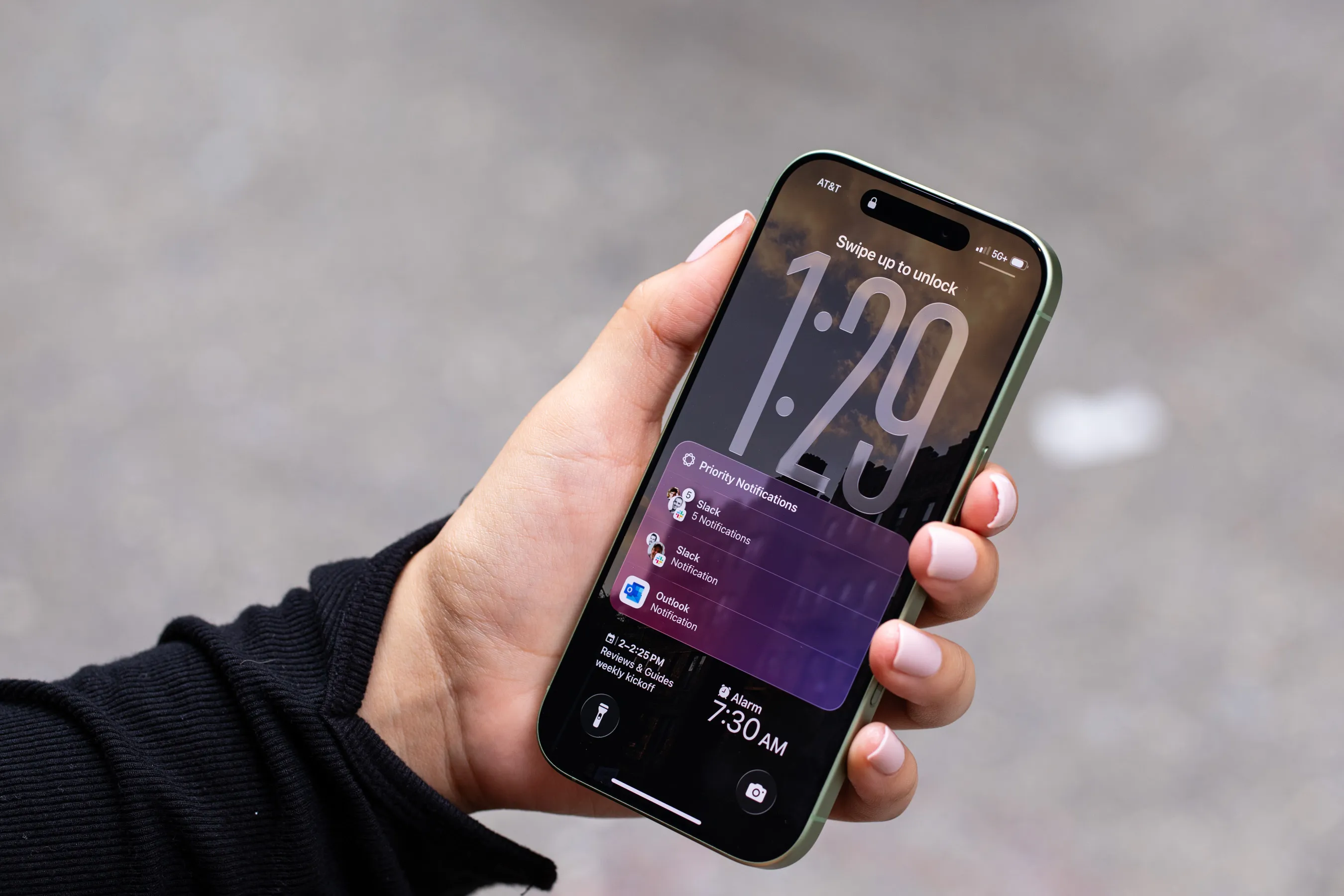
Your phone could soon stay connected even when it moves beyond cellular tower coverage, switching seamlessly to satellites instead.
AT&T and AST SpaceMobile have demonstrated what they believe is the industry’s first successful handoff between a ground-based cellular network and a direct-to-device satellite network.
The milestone could help smartphones switch between conventional cell towers and satellites without dropping calls or losing data connections, bringing seamless satellite connectivity closer to commercial use.
The demonstration took place on October 21 at 8:15 a.m. PT near Granite Falls, Washington. It builds on earlier tests in which AST SpaceMobile’s BlueBird satellites supported voice calls, text messages, and video calls using everyday smartphones. The latest test addressed a different challenge: transferring a connection between two networks operating through very different infrastructure.
Under the arrangement, AT&T provides the terrestrial wireless network, while AST SpaceMobile operates the satellite network designed to connect directly with standard smartphones. Ericsson and Nokia supplied the technologies needed to coordinate the transition between them.
Ericsson provided AT&T with combined radio and core network technology, alongside intelligent network automation. According to the company, this technology is designed to reduce handoff transition times between ground-based and satellite networks from seconds to milliseconds, helping minimize interruptions as phones move between the two types of coverage.
Nokia supplied radio access technology and mobility software for AST SpaceMobile’s satellite network. These technologies support the transfer of connections between terrestrial networks and satellite coverage, helping maintain service continuity as users move between them.
The companies are working to make satellite connectivity function as an extension of existing mobile networks rather than a separate service that users must manually activate.
Source link