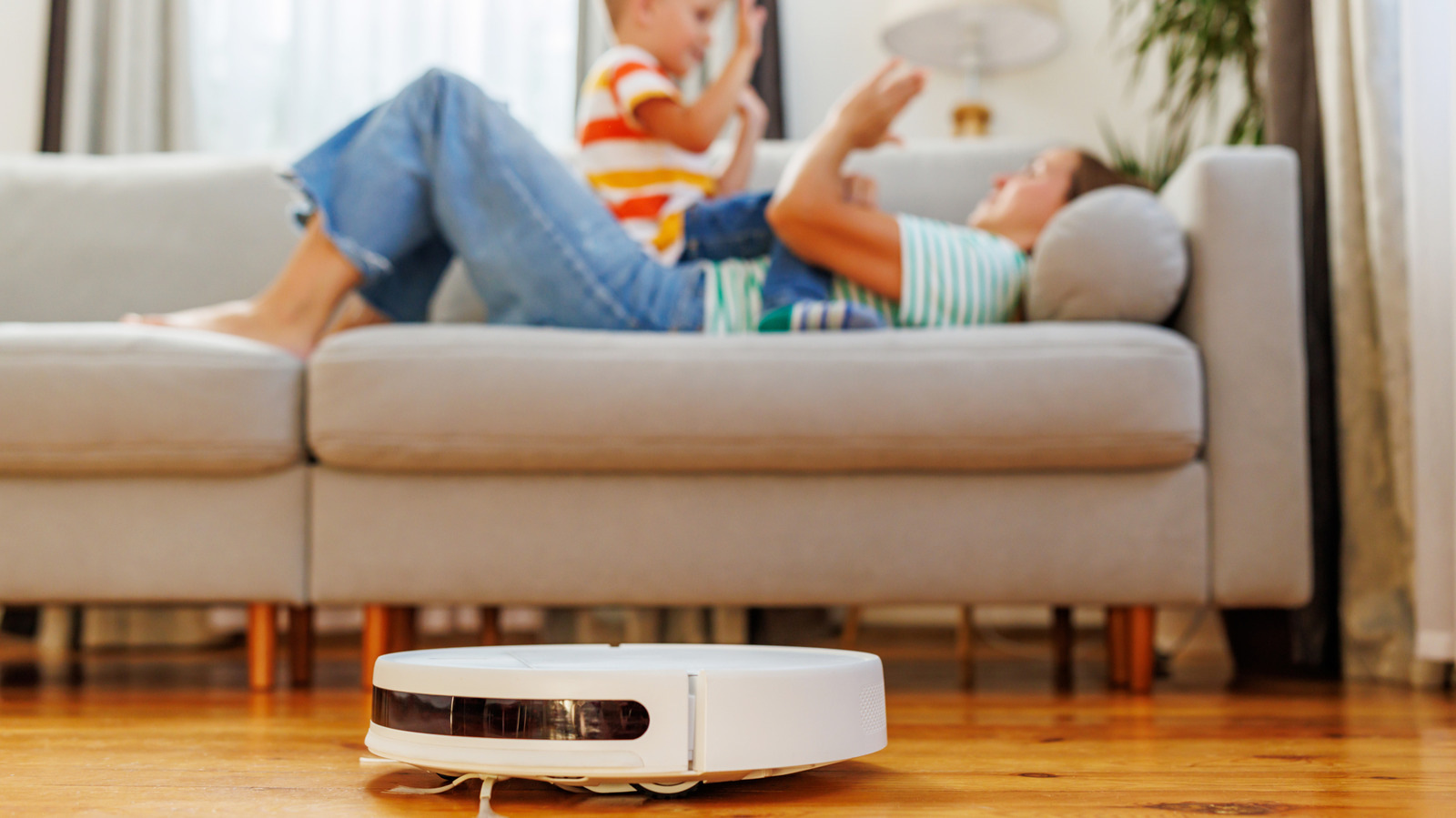
Depending on the model, a robot vacuum cleaner can potentially generate floor maps, record cleaning histories, watch you take a bathroom break or record your private conversations. Top vacuum models with the most features have various ways to process what's happening inside your home; some include microphones and/or remote video viewing to act as little round drones low-riding on 360-degree wheels. The amount of information they collect and where it goes depends on the model and varies between products.
Cloud connectivity introduces another problem. Robot vacuums that let you check their progress while away from home may communicate through the manufacturer's servers. After all, businesses need to know that you own a Samsung fridge, use DoorDash a lot or accidentally left your dirty skivvies on the floor. Generating a floor map or video is a useful feature, but both are capable of revealing information you'd rather not share with complete strangers.
Sammy Azdoufal kickstarted a recent robot vacuum controversy. While trying to remotely control his DJI Romo vacuum, he accidentally became the Commander in Chief of roughly 7,000 robot vacuum cleaners across the world. He was able to control and access all these devices instead of just his own.
According to DJI, it resolved the backend permission issue Sammy stumbled into by issuing two updates on February 10, 2026. This was a specific security risk: the server recognized a legitimate customer but failed to restrict that customer to their own device. Sammy used Claude Code to help reverse-engineer the communications, but AI isn't to blame for the underlying security weakness.
Source link