
Not so long ago, parents debated how much TV time to allow their children.
That looks downright quaint as parents today must contend with trickier decisions about how—and when—to introduce their children to fundamentally different technologies.
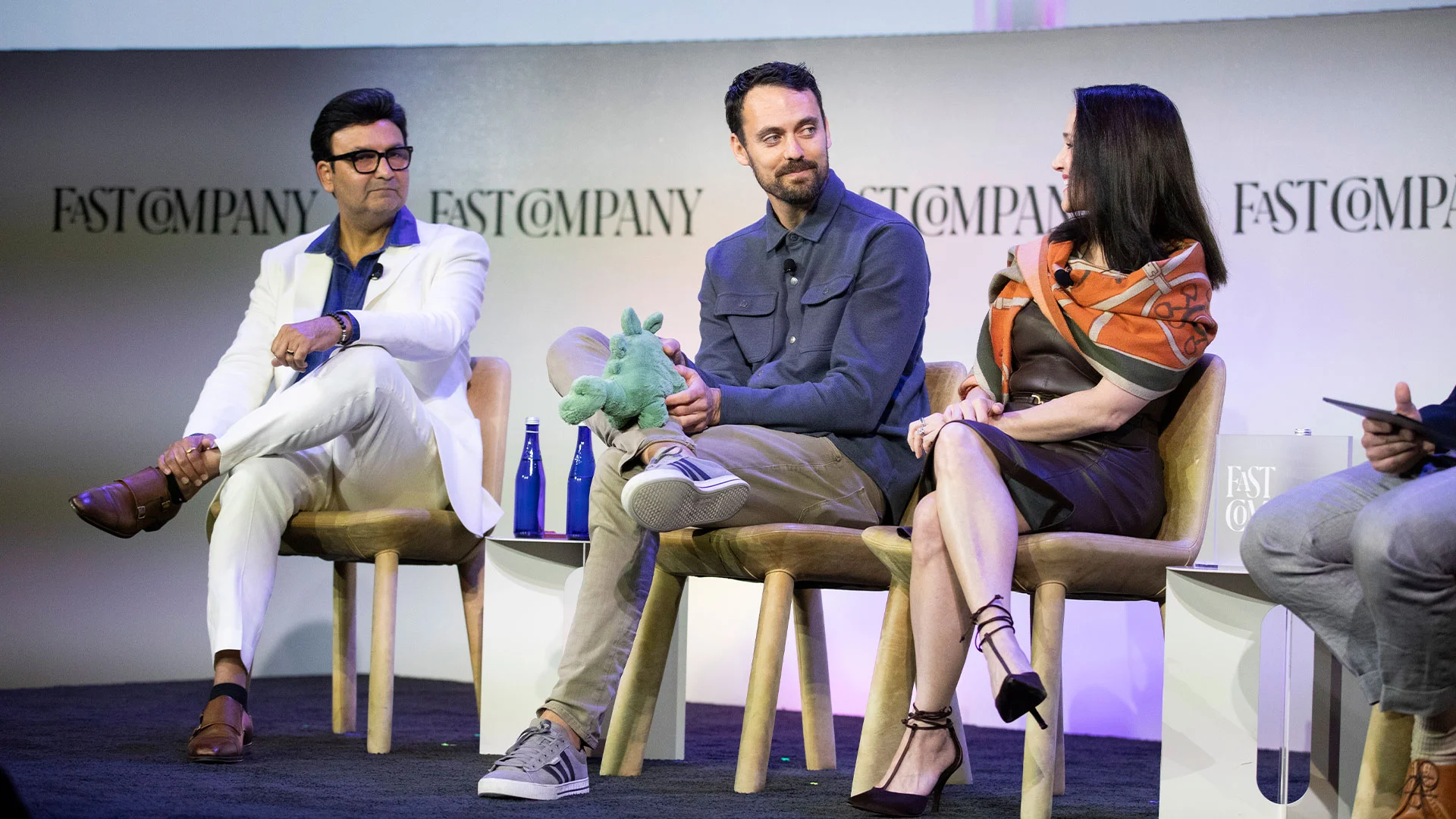
Shunning technology altogether isn’t the answer; instead parents must navigate how AI and other emerging tools can deepen human connection, as three experts recently shared during a panel discussion at the Fast Company Innovation Festival in New York.
That’s why understanding the intent behind the technology is so important in navigating this pivotal time.
“The best way to get children ready for a high-tech future is ironically a low-tech childhood,” said Dana Suskind, author of Human Raised: Nurturing Connection, Curiosity & Lifelong Learning in the Age of AI, and founder and codirector of the TMW Center for Early Learning + Public Health at the University of Chicago.
“It doesn’t mean that technology doesn’t play a role,” Suskind added. “[But] the relationship—that messy human relationship at this point—should never be replaced.”
Sometimes that means intuiting what children really want, even if technology could potentially deliver much more.
For Chet Kittleson, a request from his daughter for a phone or smartwatch was actually about something much different—she wanted a portal into her best friend’s bedroom. That realization a couple years ago led Kittleson to co-found Tin Can, an analogue-style landline.
The company has intentionally shied away from adding functionality or the types of now-commonplace “smart” features that might stoke addictive behaviors. The $100 gadget has essentially aimed to reinvent the landline for Gen Alpha.
Source link