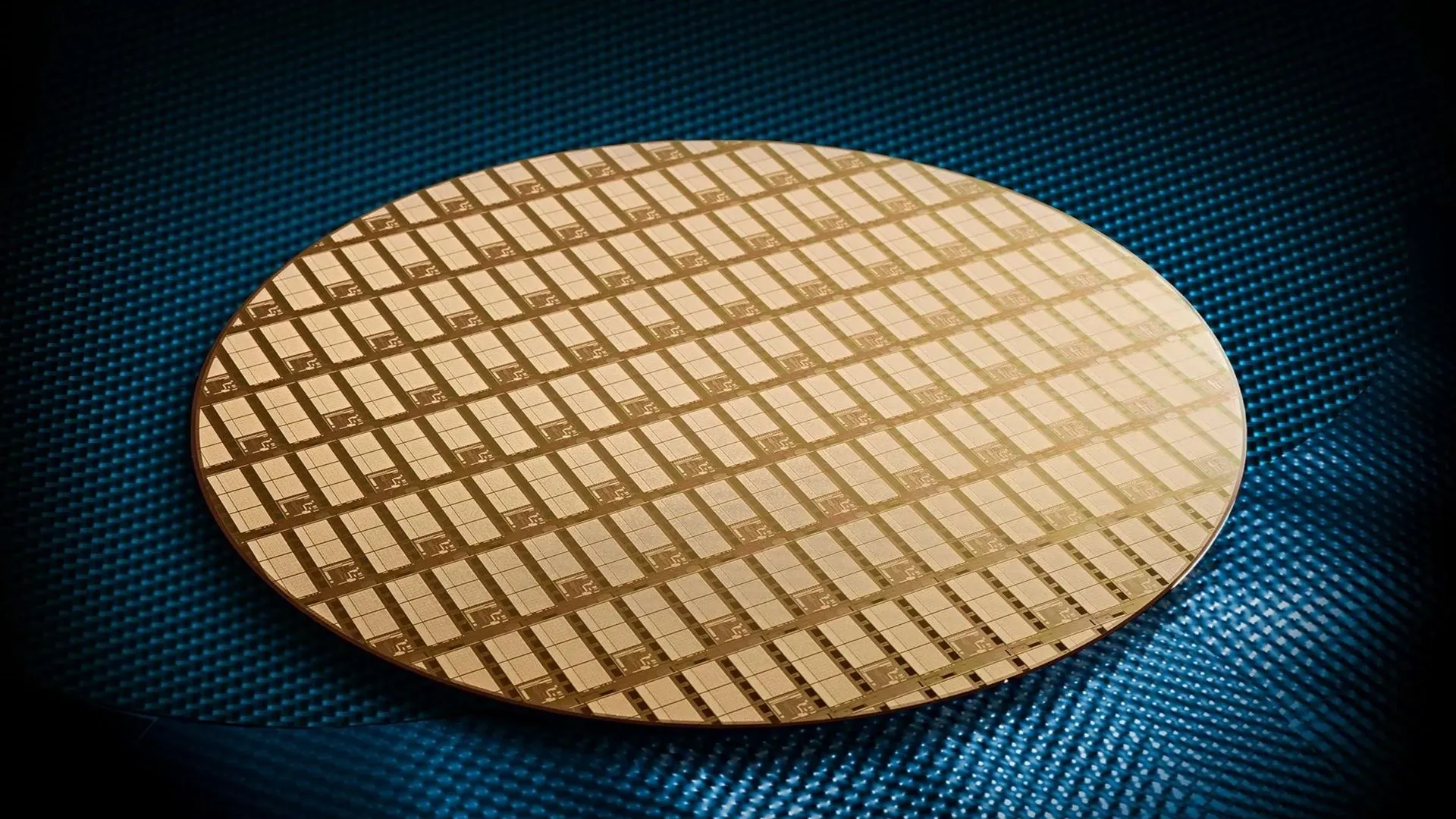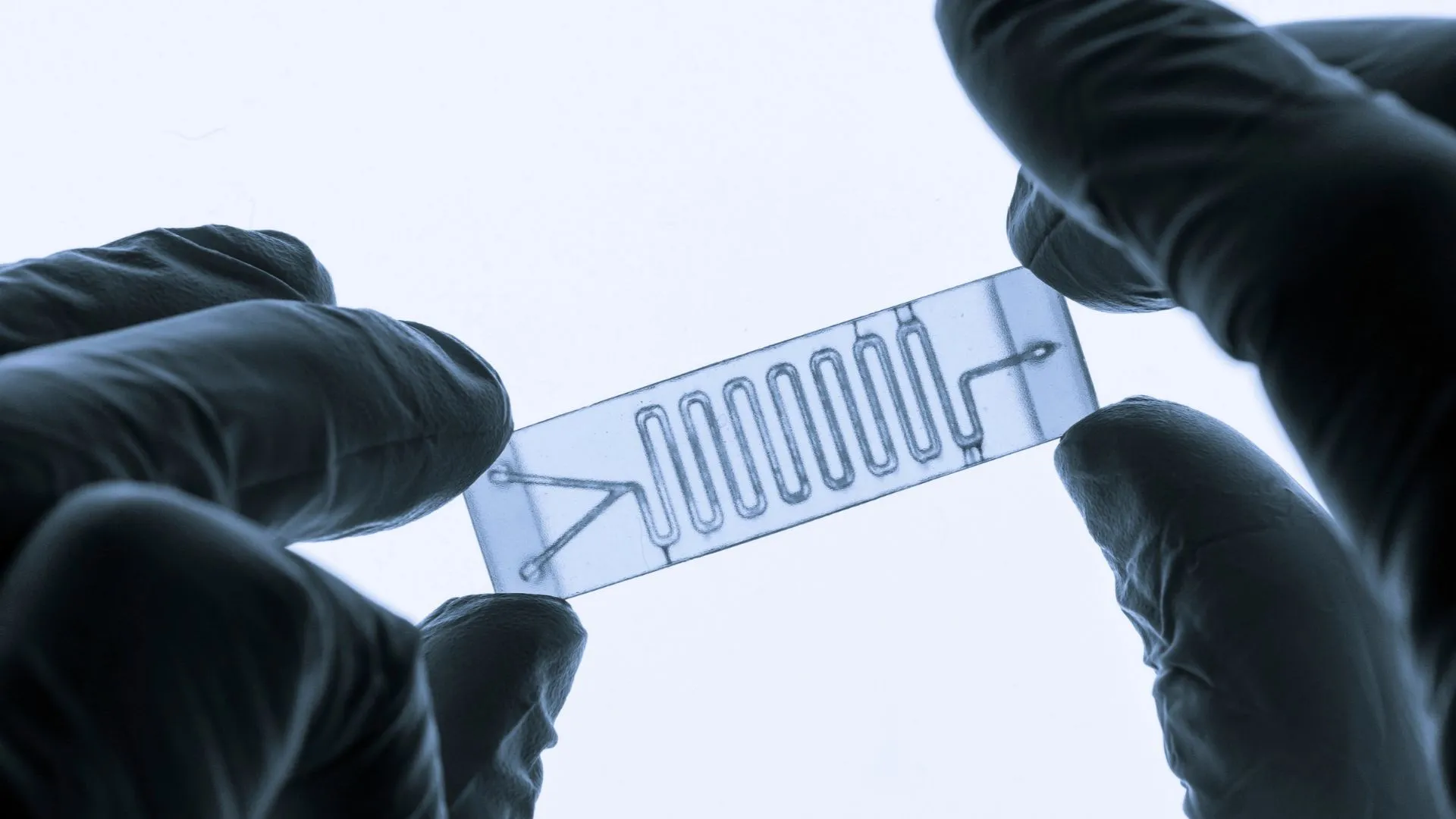
San Francisco-based startup Niobia is betting big on a critical but often overlooked part of battery and chip making: helping engineers understand how and why things go wrong. Its AI software flags production defects and lets engineers ask a chatbot what caused them, aiming to deliver answers in minutes rather than days.
How it works (broadly): The company’s customers place AI agents on their production lines to look for defects, then loop in human engineers to work out what might cause a product to fail. The agents run on self-contained GPUs mounted directly on manufacturing equipment, much like a sensor. They can spot pinhole-sized flaws such as scratches. Niobia’s AI also gathers all the data in one place so engineers can ask a chatbot what went wrong and dig deeper into the cause.
Speed is so critical because chips and batteries are some of the world’s most important products, while also increasingly in short supply. As manufacturers continue to develop and improve their technologies, things inevitably go awry during research and development. Engineers then spend days or longer figuring out a fix before they can restart production. Each flaw or mistake can prove costly — sometimes running into the millions of dollars — and set back manufacturing timelines.
Niobia co-founders Gaurav Jha and Harveen Kaur both have PhDs in chemistry and have worked at chipmakers and battery manufacturers, giving them firsthand experience with the challenges within the industry. In a call ahead of TechCrunch Disrupt 2026, where the company is a Battlefield finalist, Jha explained that while what Niobia does is specialized, it serves a multibillion-dollar market that includes some of the biggest battery and semiconductor makers today.
Source link