A new film, thinner than human hair, has been designed to block 99.9999999 percent of incoming radar waves. Scientists in South Korea have pulled this off by borrowing an old architectural trick: brick-and-mortar masonry.
In a collaborative study, research teams from the Korea Institute of Materials Science (KIMS) and the Korea Institute of Science and Technology (KIST) revealed an ultrathin hybrid composite film that could advance stealth, aerospace, and everyday electronics.
The key was in combining two advanced nanomaterials that were previously useless on their own.
Modern devices demand a triple threat: effective electromagnetic shielding to prevent electronic interference, low infrared visibility to hide from thermal sensors, and robust physical durability.
Standard metals are far too heavy, corrode over time, and won’t bend.
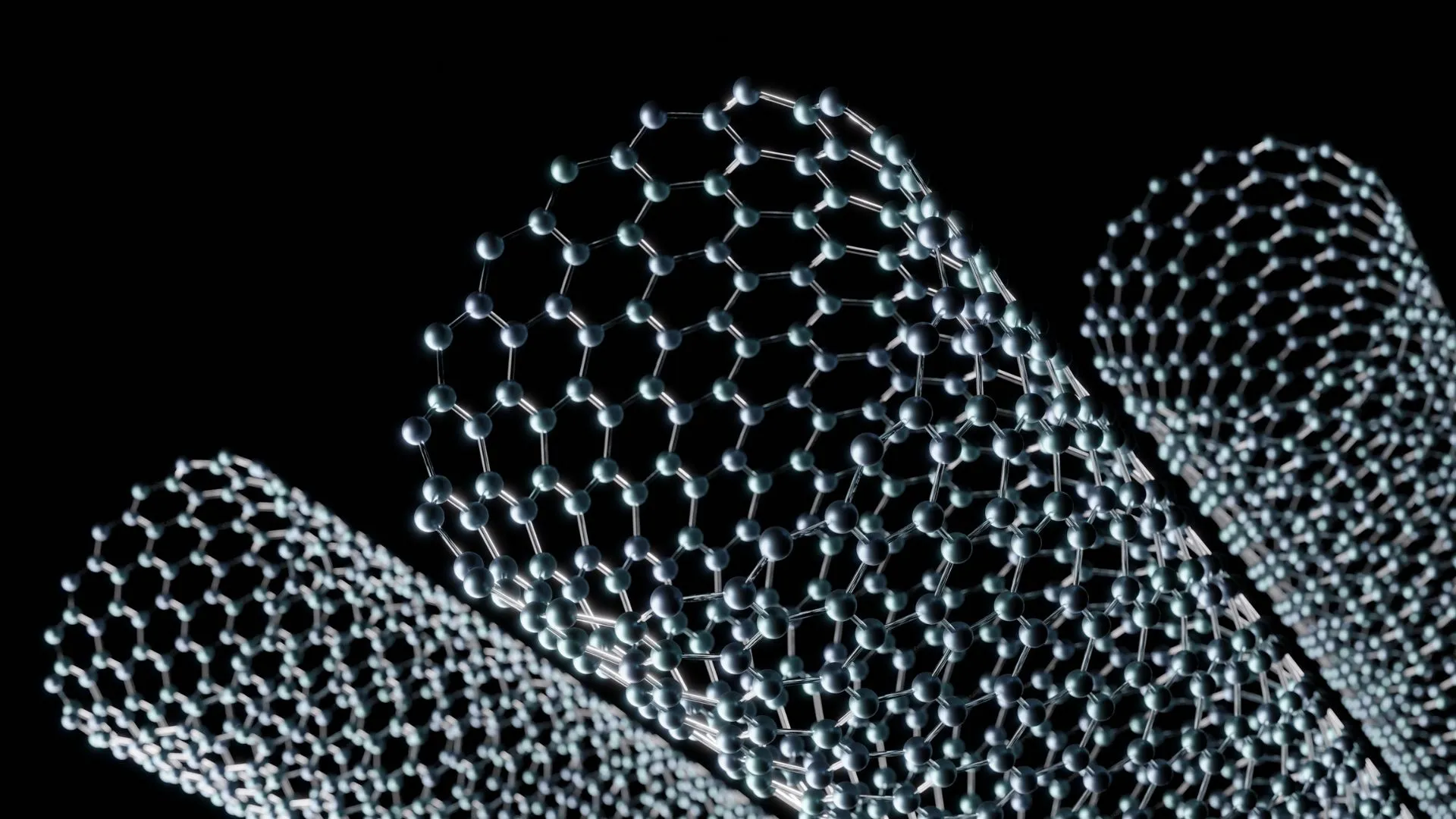
To replace metal, scientists turned to carbon nanotube (CNT) fibers. CNTs are light, tough, and conduct electricity brilliantly. Unfortunately, assembling loose, thread-like fibers into large, uniform sheets is difficult, and they glow brightly under infrared thermal sensors.
This issue was solved with the help of MXene. This two-dimensional nanomaterial naturally absorbs infrared light, making it a dream candidate for thermal stealth. But MXene nanosheets are fragile, brittle, and degrade rapidly when exposed to real-world environments.
Neither material could solve the problem alone. Uniting the two materials, however, creates a far more formidable combination.
Led by Dr. Taehoon Kim at KIMS alongside Dr. Seon Joon Kim and Dr. Jaewoo Kim at KIST, the team looked to civil engineering for a way to lock the two materials together.
Source link