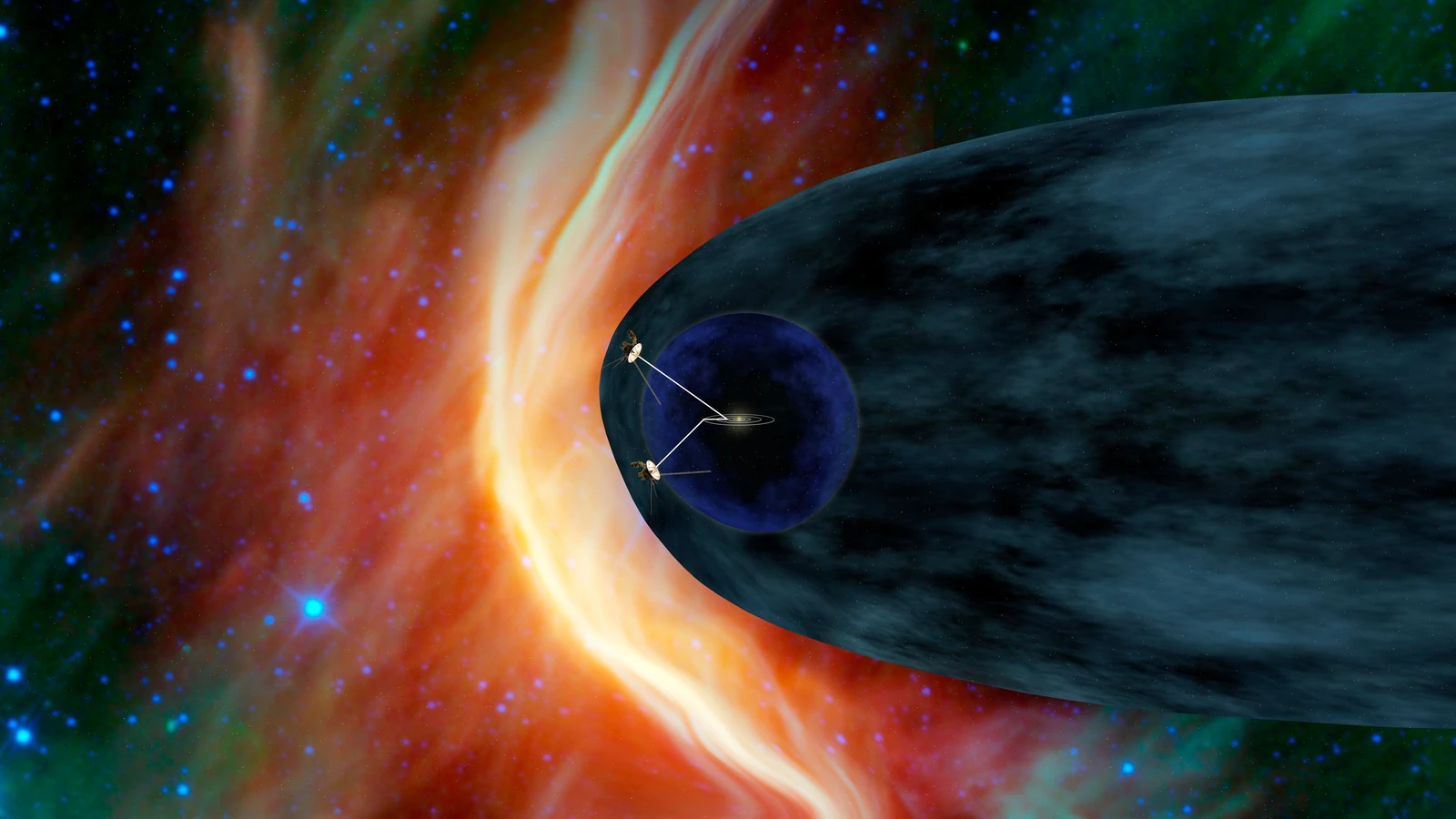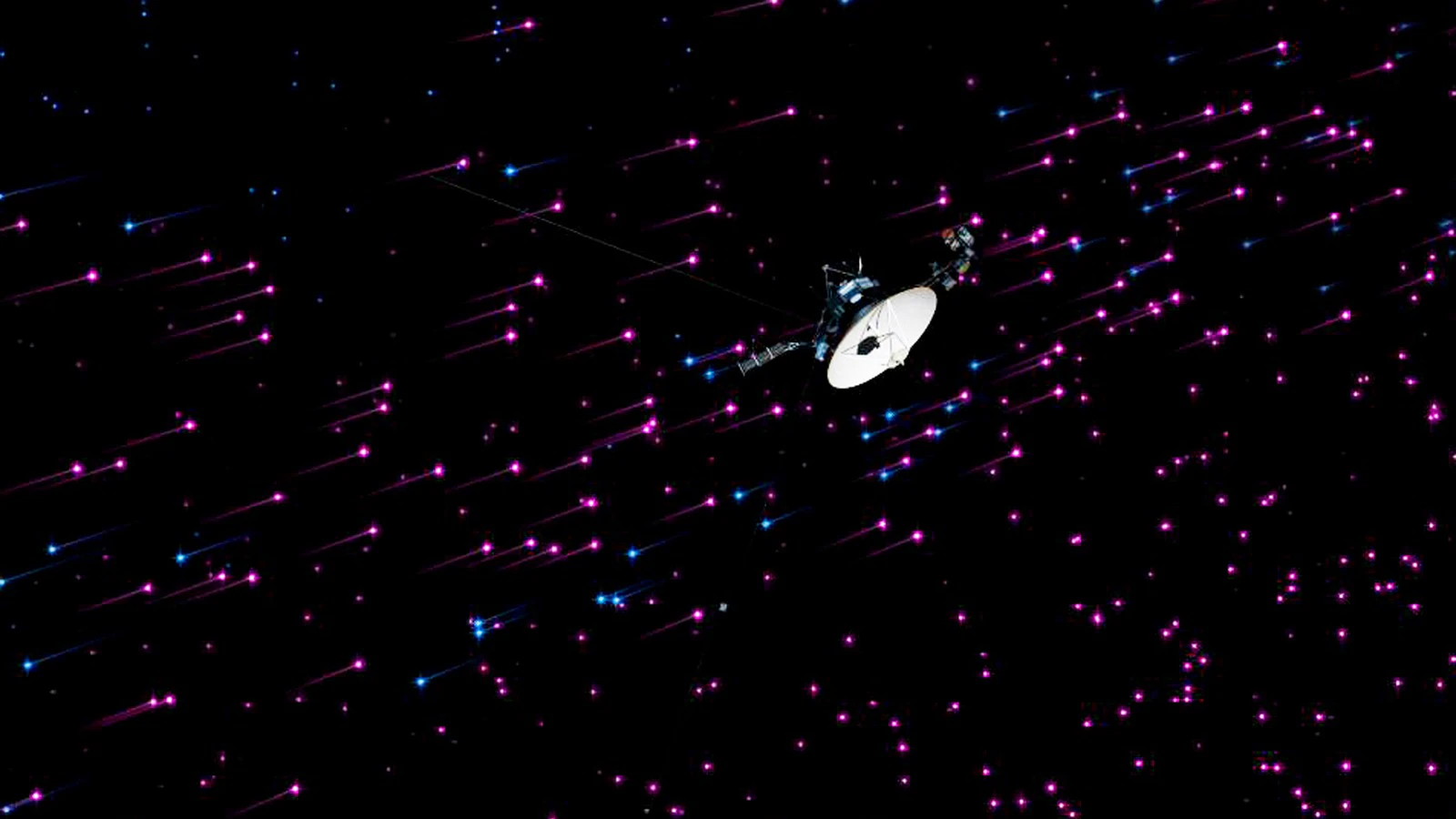
One light-day: NASA’s Voyager 1 is set to become the first human-made object to reach a distance of one light-day from Earth on Wednesday, November 18, 2026. It is expected to be about 16.09 billion miles (25.9 billion kilometres) away at 5:16:07 a.m. EST, or 3:46:07 p.m. IST. The milestone comes nearly 50 years after launch.
Two-day wait: A light-day measures distance, not time: it is how far light travels in 24 hours. Radio signals take roughly a day to reach Voyager 1 and another day to return. Voyager project manager Suzanne Dodd said, “If you want to say ‘hello’ to Voyager, you send your message and then you go home and you wait two days before you finally get a response.”
Mission launch: Voyager 1 lifted off from Cape Canaveral, Florida, on September 5, 1977, aboard a Titan IIIE-Centaur rocket. It was built for close-up studies of Jupiter and Saturn, including their moons and rings. Although Voyager 2 launched first, Voyager 1 followed a faster route, overtook its twin on December 15, 1977, and reached Jupiter ahead of it.
Jupiter finds: Voyager 1 made its closest approach to Jupiter on March 5, 1979. It discovered a faint ring around the planet and two previously unknown moons, Thebe and Metis. It also returned close-up images of Amalthea, Io, Europa, Ganymede and Callisto, giving scientists detailed views of Jupiter’s atmosphere and natural satellites.
Saturn discoveries: Voyager 1 passed Saturn on November 12, 1980, and found five previously unknown moons, a ring later named the G-ring, and complex ring structures shaped by smaller ‘shepherd moons’.
Source link