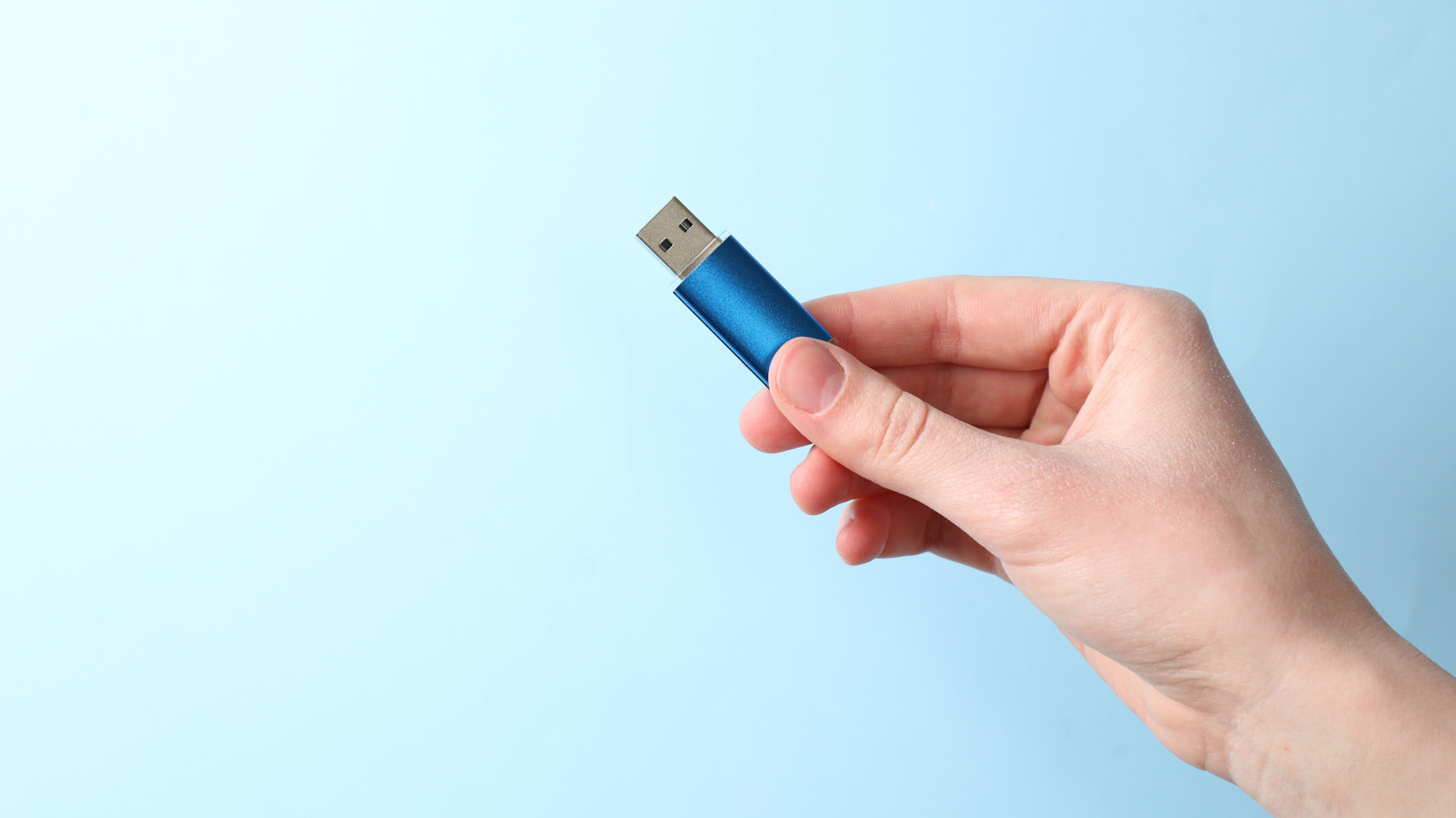
Remember the days when USB flash drives were the greatest thing since CD-ROMs? Those were obviously many days ago, but when thumb drives hit the shelves of, um, RadioShack, they were pretty revolutionary. Saving and sharing files for school or work became significantly easier than file sharing with floppy disks — as long as your files weren't too big. But eventually those stick drives got bigger. 1GB, 4GB, 10GB. They got so big they became external hard drives.
And then the equivalent of an extinction event for flash drives hit. The cloud was born, and it was endless. Now we could upload unlimited docs, photos and videos of any size to the ether for pretty cheap. Predictably, USBs went the way of Maxwell floppy discs.
Post-cloud, most of our USB drives ended up in boxes and desk drawers next to our iPods, firewires and dial-up modems. However, unlike much of our museum-ready tech, you can actually use your old flash drives and portable hard drives for some pretty neat projects. They may even save you money and earn you a little more privacy.
At some point in the past few years, Sonos, the wireless home audio system, stopped allowing users to point their speakers to music folders on their computers and external hard drives. Instead, Sonos users now had to share their music folder over their local network. This didn't mean you couldn't keep your library on the same old hard drive anymore. It simply meant your hard drive was functioning more like a Network Attached Storage (NAS) device, because the library was served over your network.
Source link