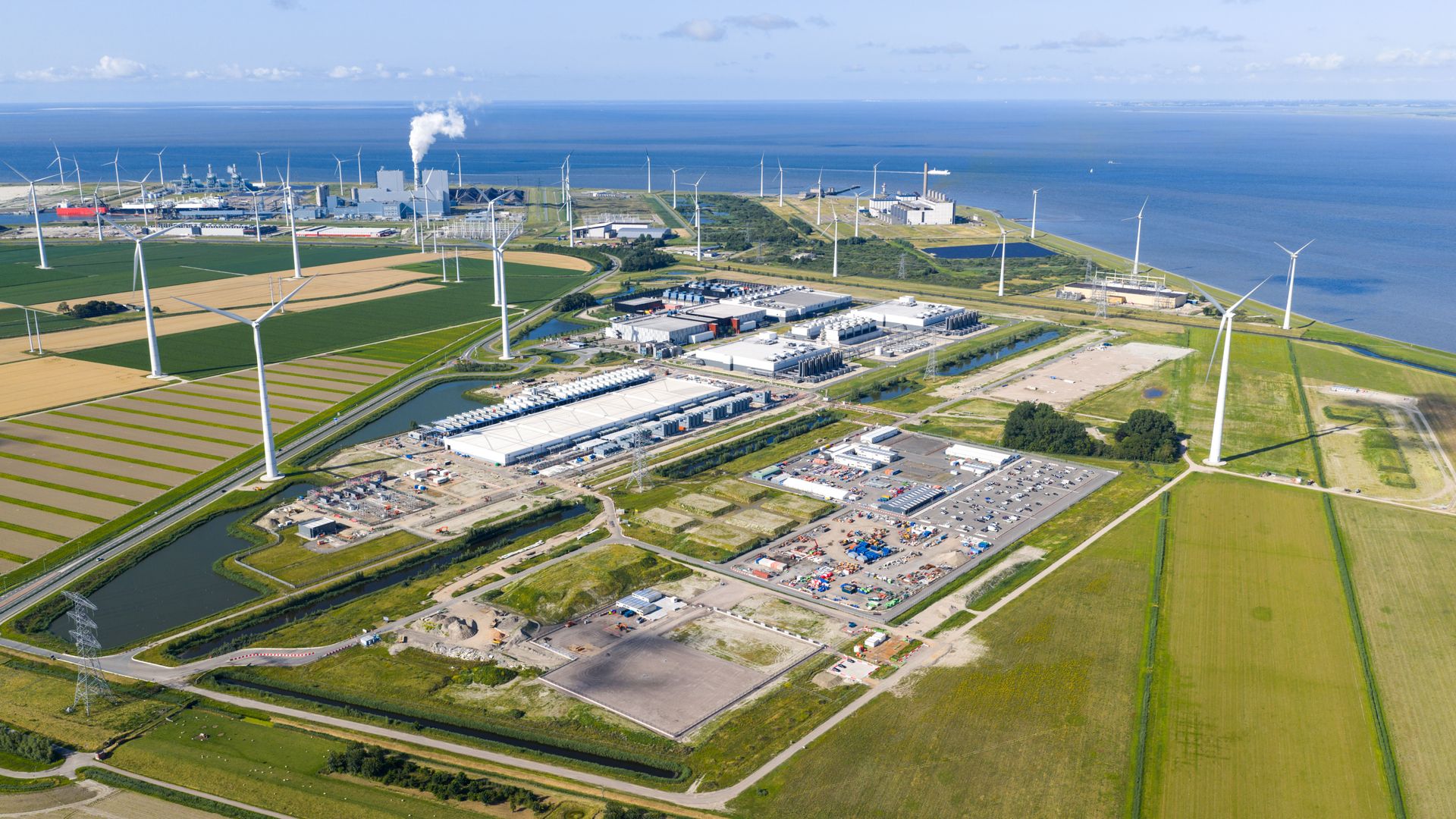
As AI drives demand for more computing power, the next wave of development is heading to America's neighborhoods.
According to an April 2026 Pew Research Center analysis, 67% of planned U.S. data centers are located in rural areas, compared with just 13% of facilities already operating. Perhaps more surprisingly, 39% of planned facilities are in counties that don't currently have a single data center.
For some states, AI data centers are even on the ballot this Election Day as communities that have never had to consider the effects of a massive computing facility, now could soon face questions about electricity costs, water supplies, noise and property values.
A new analysis from Jones & Swanson brings several of these concerns together, examining how America's expanding data center footprint could affect the people living nearby.
And while the findings raise legitimate questions about the costs of AI infrastructure, they also challenge one common assumption: Living near a data center doesn't necessarily mean your home will lose value.
For homeowners, one of the biggest questions is whether a nearby data center will make their property less desirable.
The answer may be surprising. An August 2026 Realtor.com study examined 43 ZIP codes where large data centers opened between 2019 and 2025. Researchers compared those locations with similar neighborhoods that didn't receive a data center.
The analysis found no statistically significant difference in home price appreciation during the first two years after a facility opened. Oddly enough, homes near newly opened data centers generally gained value at roughly the same rate as comparable homes elsewhere.
Source link