As artificial intelligence makes it easier to get the answers you want to any question, retaining knowledge is becoming a rare skill. The Ebbinghaus forgetting curve (introduced by psychologist Hermann Ebbinghaus in 1885) proves that we lose most of what we learn over time if we don’t reinforce it or put it into practice.
People are not interested in retention. They may be thinking, Who cares if you can use AI to find out what you want? But we are losing more thinking capacity than we realize.
“Left to itself every mental content gradually loses its capacity for being revived, or at least suffers loss in this regard, under the influence of time,” Ebbinghaus wrote in his book Memory: A Combination of Experimental Psychology.
This proves the forgetting curve is steep and unforgiving—especially if no attempt is made to deliberately retain or recall. We can spend an entire afternoon reading, highlighting, and rereading. By tomorrow, most of the information we ingested is gone. The process may be worse if we stop thinking and completely rely on AI tools to do our thinking for us.
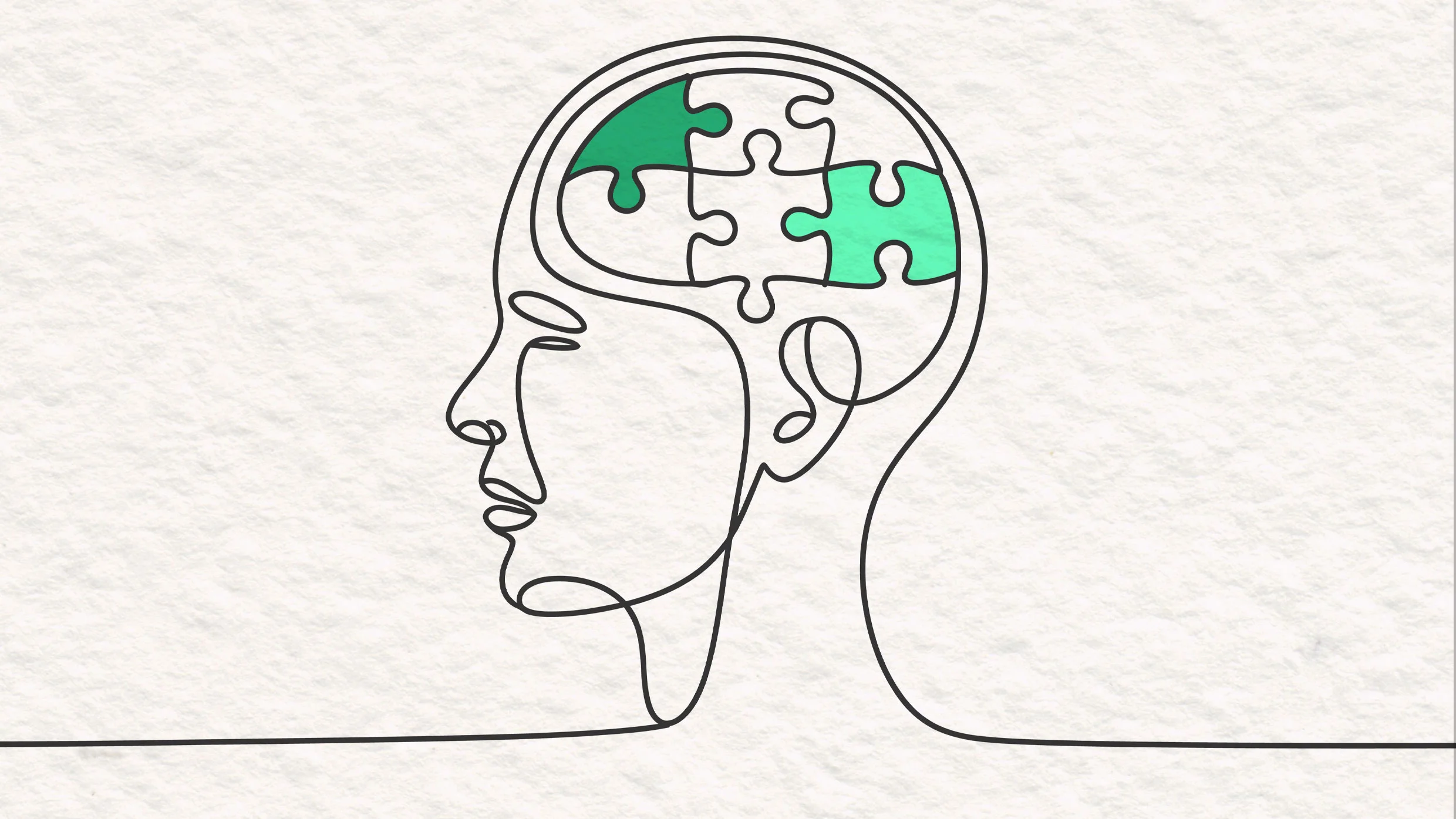
The practice of learning and reading anything can feel very productive. But I’m afraid it’s not the same as retrieval. Your brain keeps for later use what it has to work for. Most of what we learn doesn’t stick, not without the mental struggle.
That’s why making the most of what you learn in life or career matters. Practice active recall and spaced repetition if knowledge retention is what you want.
Source link