We should all probably spend less time staring at screens. At least, that's what the professionals tell us. And yet the average person needs to be online. They use the internet for work, to pay bills, to access government resources, and to follow political leaders. Many have turned social media into their livelihoods.
And if you skip one day on the internet, you are sure to miss a year's worth of memes, references, and even historical events. In fact, social media is where more than half of Americans get their news, if not from a chatbot assistant.
It's online where you'll be lulled into doomscrolling, engage in unhealthy digital interactions, or witness violence. A good portion of what you see may not even be real. It may be trying to intentionally deceive you. For those staying online, there is at least one way to protect yourself from false information: Stop and ask why.
Why am I still scrolling? Why did this account post this particular opinion? Why is this ad targeting me? Why would this platform allow this?
Pausing is a stopgap for misinformation, media literacy experts say. A few minutes is often all it takes.
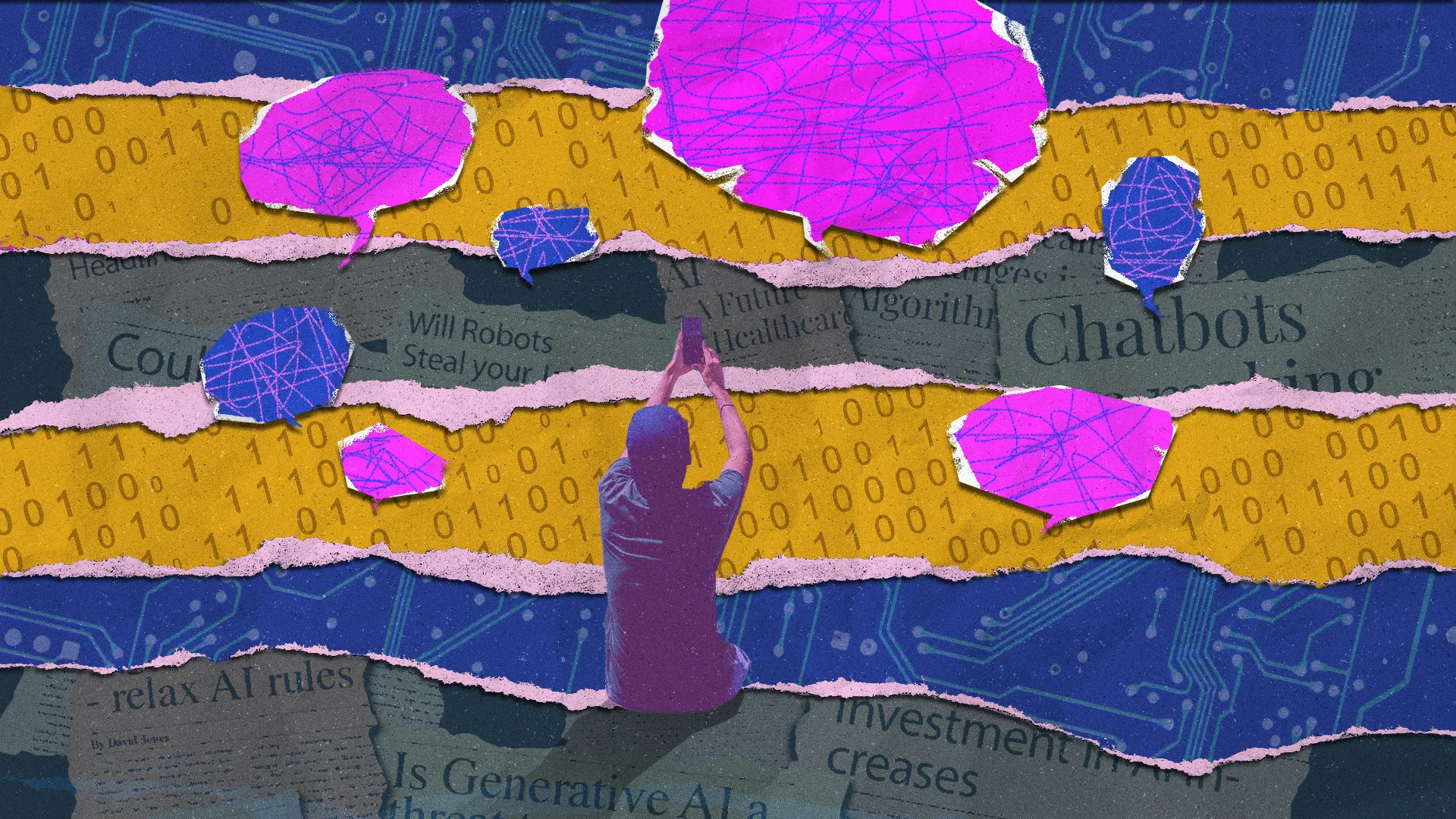
In this age of AI and misinformation, not many people are being taught the basics of consuming modern media.
"Most states don’t require districts to offer news and media literacy instruction," said Chuck Salter, president and CEO of the News Literacy Project. The News Literacy Project promotes K-12 media literacy curriculum to address growing gaps among the next generation of news consumers.
Source link