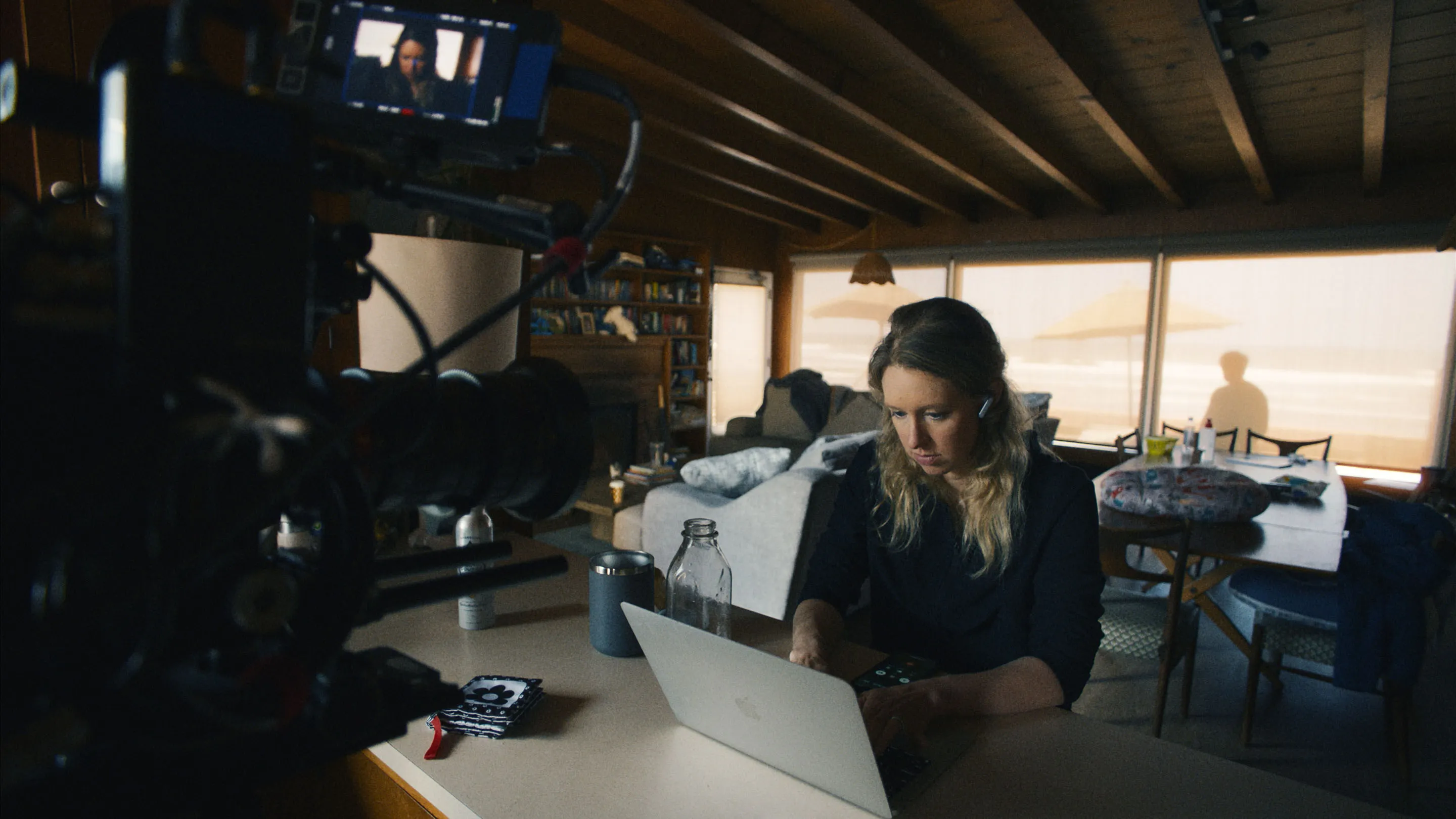
Earlier this week, I attended a screening of You Can See Everything, the buzzy new documentary about the disgraced former biotech CEO Elizabeth Holmes.
I went in not really knowing what to expect. I’d avoided spoilers (and won’t be giving anything away here, either!). I was wondering what new information this film could reveal, given how familiar many of us are with the Theranos story thanks to years of media coverage, the best-selling book Bad Blood, and the Hulu series The Dropout, starring Amanda Seyfried.
Like many others who have seen the film, I came away feeling unsettled. But not just about Holmes’s fraud and the somewhat disturbing interactions between the subjects. The film reignited a concern I’ve had about covering science for most of my career: Despite our best efforts, we never can actually see everything.
In case you’re rusty on the details, Elizabeth Holmes dropped out of Stanford University in 2003 to run Theranos, a diagnostics company she founded, when she was just 19. She went on to claim that her company had invented a way to run over 100 diagnostic tests on just a few drops of blood.
Holmes raised hundreds of millions of dollars for Theranos, which was valued at $9 billion in 2014. Forbes named her the youngest self-made female billionaire—she was worth $4.5 billion when she was just 30 years old.
Things started to unravel in 2015, when an investigation by the Wall Street Journal raised concerns by former Theranos employees that the tests didn’t work.
Source link