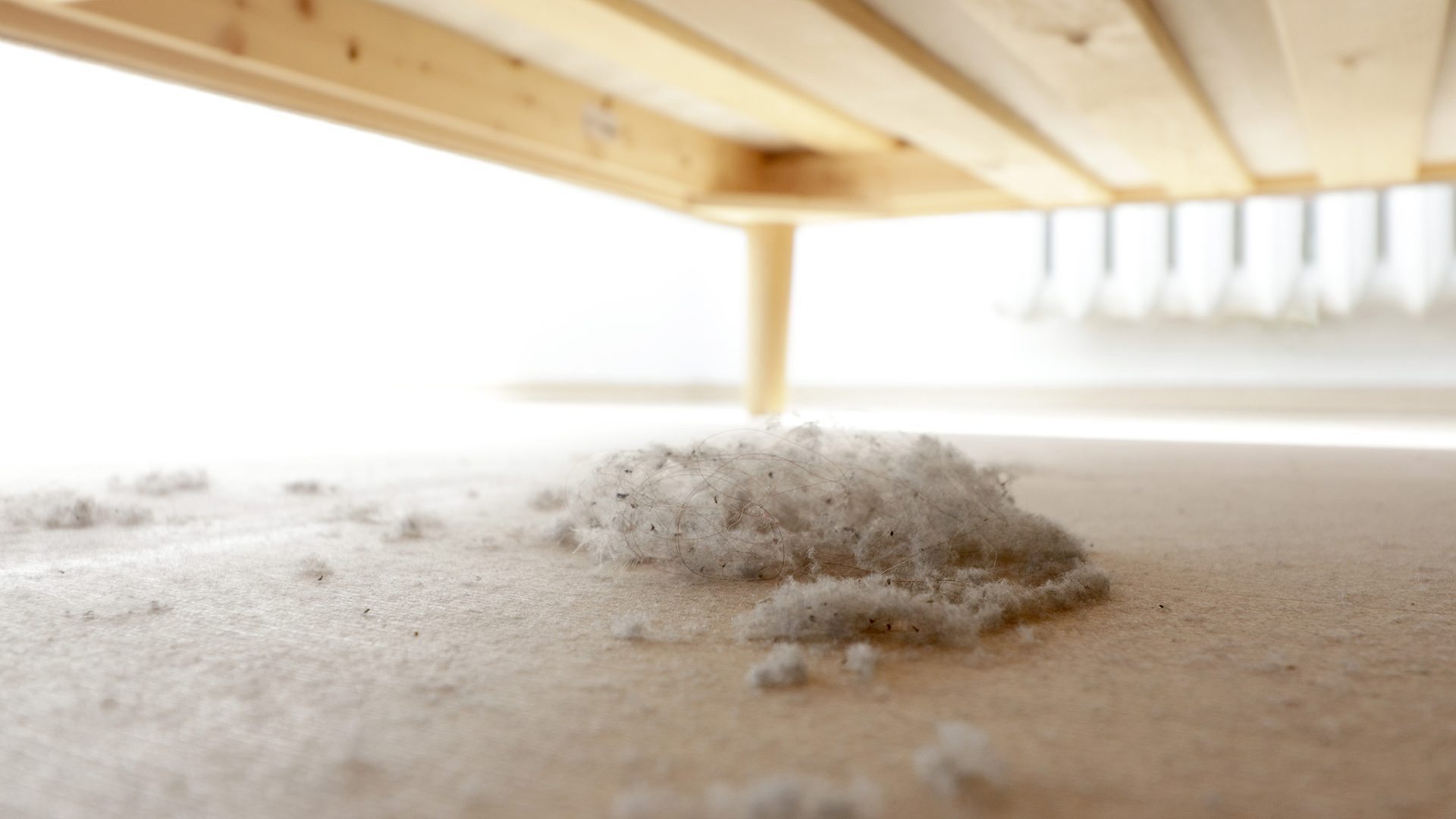
No matter how often you vacuum the floor or wipe down your nightstand, bedrooms gather a frustrating layer of dust, seemingly overnight. While surface cleaning catches the obvious spots, dust doesn't actually start on your bedside table — it starts in your mattress, curtains, and carpets, drifting through the air until it finds a flat surface to settle on.
These fabric fibers, dead skin cells, and tracked-in allergens get kicked up every time you walk across the room or make the bed. If you want to cut down on dust and keep your space feeling fresh, here are five hidden dust magnets in your bedroom, and the simple ways to tackle them.
Because baseboards and door moldings sit below eye level or high above your head, they are easily overlooked during routine cleaning sessions. However, the horizontal lip of baseboard trim and the top ledge of door frames collect a continuous layer of falling airborne dust.
To clear them without kicking dust everywhere, skip dry feather dusters, which simply push debris into the air. Instead, wipe the top edges with a damp microfiber cloth or a vacuum brush attachment.
Once clean, run a standard dryer sheet along the wooden trim. The anti-static coating on the dryer sheet leaves an invisible barrier that repels dust, keeping your baseboards clean for weeks longer.
Your mattress is one of the heaviest textile surfaces in your home, shedding fabric fibers while trapping dead skin cells and mattress pad lint. Over time, friction and gravity push dense clusters of dust underneath the bed frame and into the dark space between the mattress and the headboard.
Source link