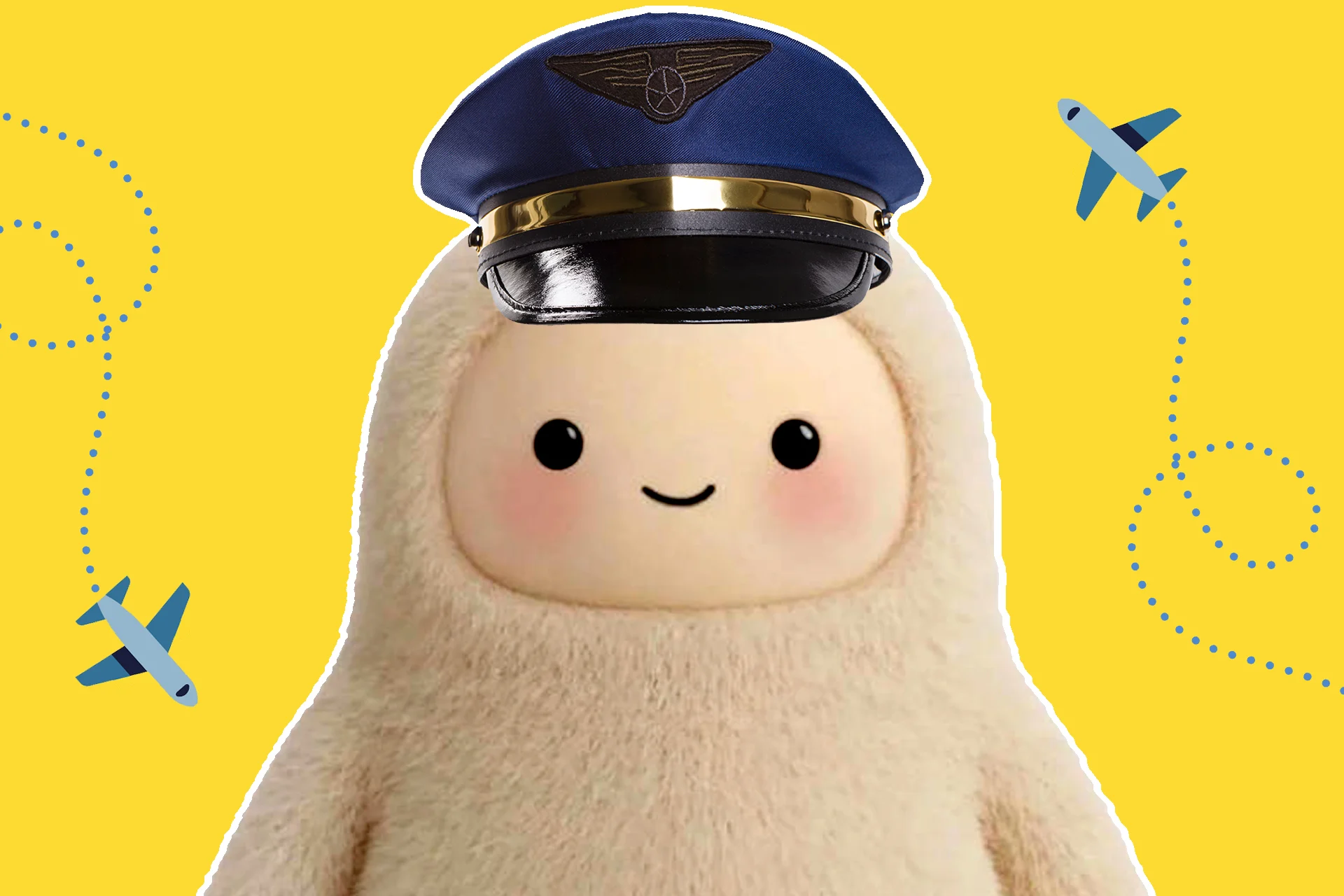
Big tech companies are betting that in the not-so-distant future, we’ll all habitually rely on these systems as automated personal assistants, letting them handle our drudgework while we do something more worthwhile (sleep, maybe). Yes, agents have a somewhat tarnished reputation in the aftermath of the Hugging Face hack and similar incidents, and yes, they come with a pretty serious privacy trade-off (namely that in order to be useful they need access to your personal data). But fear not, because some of the most powerful agents on the market now come with cuddly-looking avatars that look like they were pulled straight from a cartoon for toddlers. And if there’s one thing the history of capitalism and corporate marketing has taught us, it’s that giving a potentially dangerous product a cartoon mascot eliminates all risk.
The most famous of the new fleet of agents is Meta’s Muse , personified by “Jolly,” a character that looks a like a mix between a Teletubby and a claymation yeti. The company really needs people to like Muse: While the majority of Meta’s revenue still comes from its ad business, it’s on track to spend as much as $145 billion this year on its AI buildout—a massive investment it still needs to justify to investors. ” At its own developer conference less than one week later, OpenAI unveiled its own AI agents, called dots , which closely resemble Muse aesthetically and functionally.
Source link