Alkaline and lithium-ion batteries differ significantly, but for most people, the biggest difference lies in their applications. Alkaline batteries include the familiar AA, AAA, C, D, and 9-volt cells found in everyday devices like TV remotes and flashlights. They're relatively inexpensive and abundantly available for gadgets that draw power slowly.
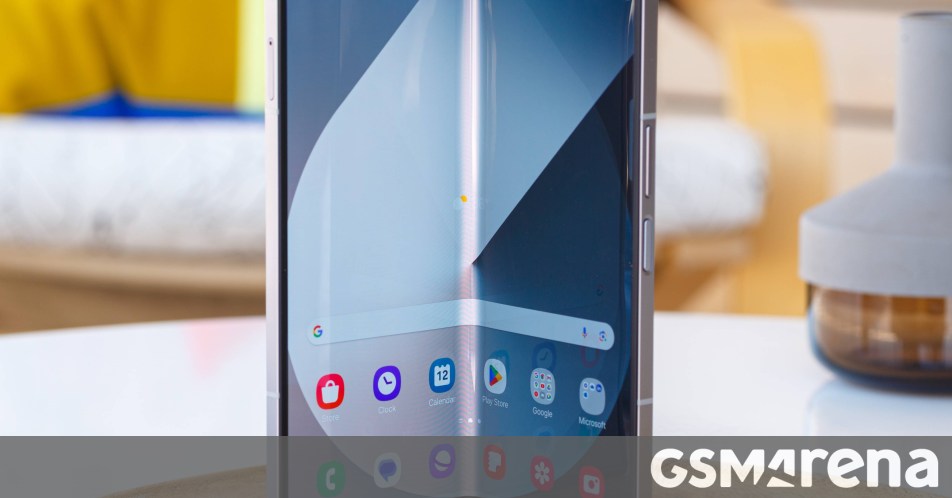
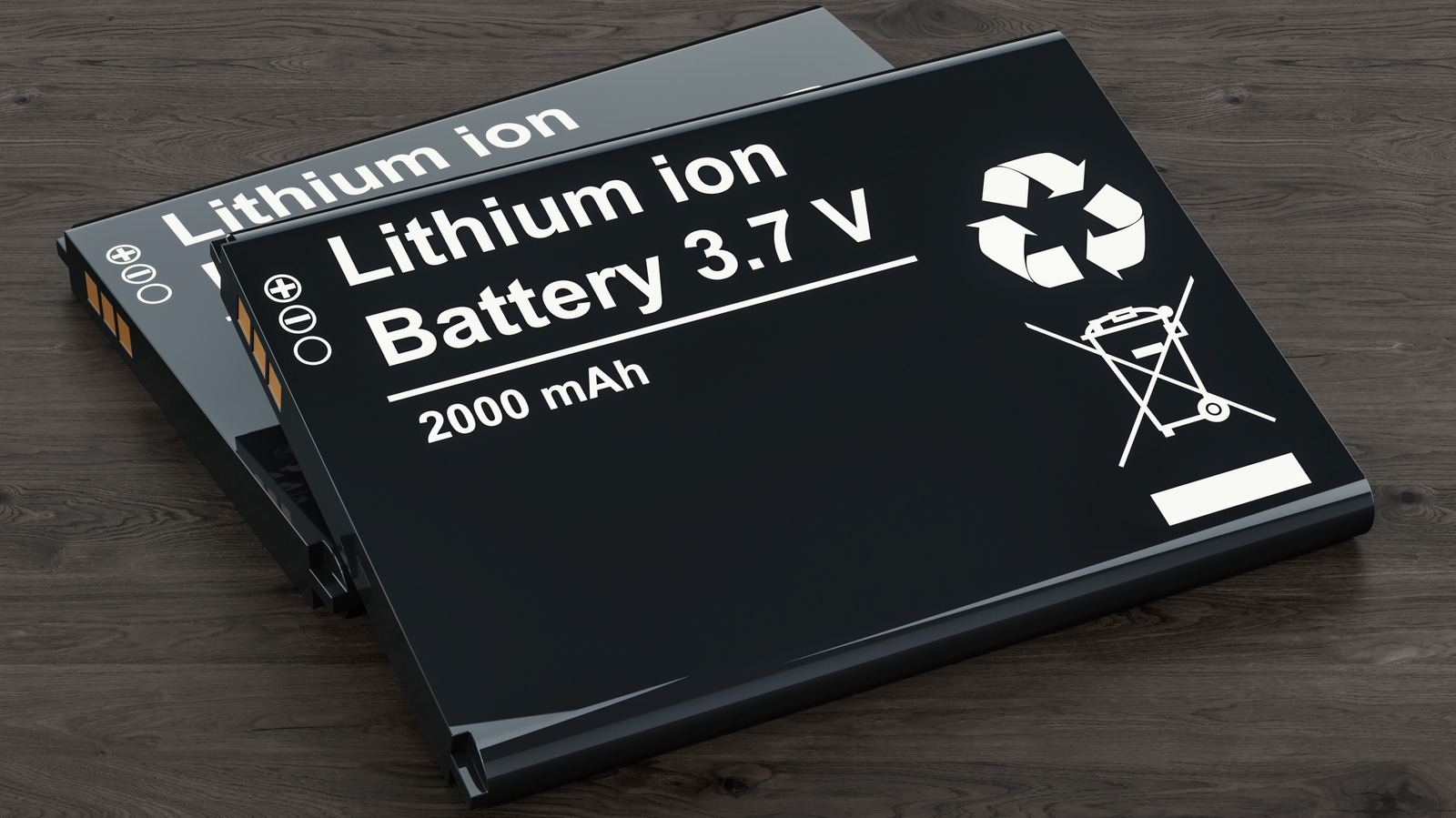
Lithium-ion (Li-ion) is a rechargeable battery typically used in smartphones, laptops, cameras, game controllers, or as detachable batteries for portable power tools. Li-ion stores more energy for its size and delivers substantial power repeatedly, though it usually requires a charging circuit specific to the battery pack.
There's an important distinction worth highlighting when comparing these two battery types: a disposable "lithium AA" is typically an alternative or a 1.5-volt replacement for an alkaline AA and shouldn't be confused with Li-ion batteries. Both contain lithium-based chemistry, but the use cases are entirely different.
TV remotes, clocks, a wireless mouse, and things of that nature are low-drain devices, and alkaline batteries are usually the most practical option for each. They cost less and remain viable for a long time, even if the package sits untouched in a drawer for a few months. For the most part, alkaline cells are single-use, so they require replacement.
Lithium-ion is the popular choice for devices that require frequent recharging, like the device you're probably reading this on, laptops, cordless power tools, and digital cameras. Li-ion's high energy density makes it possible to cram more runtime into a compact and rechargeable battery.
Source link