For billions of years, Earth has experienced periodic glacial cycles governed by its orbit around the Sun. No force on the planet could disrupt this eons-long cycle—until we came along.
A new study published in the journal Science suggests that a new glacial period was beginning some 2,000 years ago, but by the 1960s, greenhouse gas emissions had raised global temperatures enough to reverse it. Future emissions could forestall the next ice age for hundreds of thousands of years, altering one of Earth’s most fundamental natural cycles.
“It was just getting started, everything was normal, the next glaciation was about to happen—and yet it stopped,” first author Nicolás Young, a geochemist at Columbia University, said in a statement. “It’s a very powerful example of how we have jolted the system.”
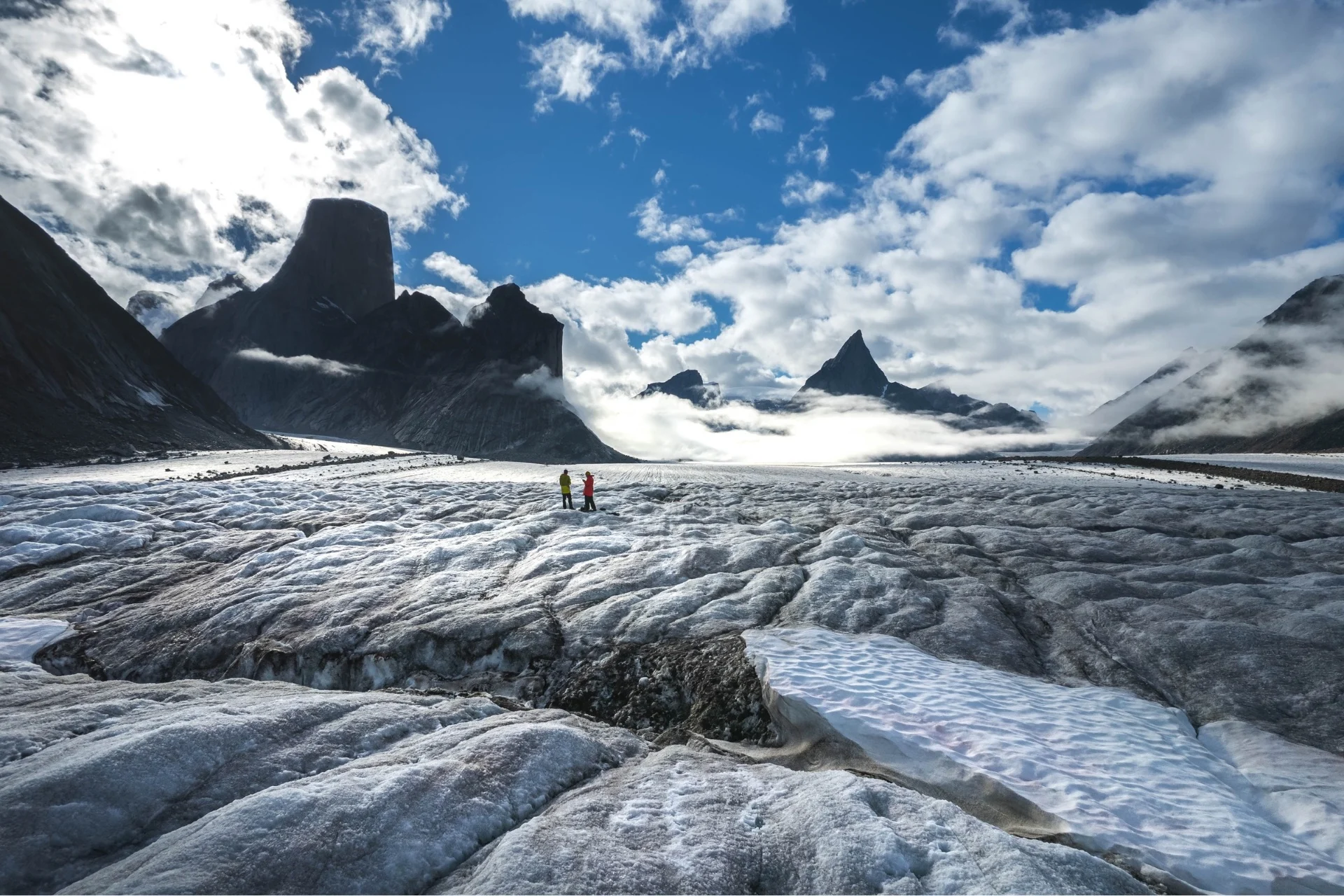
The glacial cycles within ice ages are governed by Milankovitch cycles—periodic changes in the shape of the planet’s orbit, the tilt of its axis, or the direction of its axis rotation that influence how much sunlight reaches certain parts of the planet. During an ice age, which can last millions to tens of millions of years, Earth is relatively cold, with large swaths of the planet covered by continental ice sheets and alpine glaciers.
That doesn’t mean the climate remains invariable, however. Over the course of an ice age, shorter periods of warmer temperatures and glacial retreat (called interglacial periods) alternate with periods of colder temperatures and glacial advance (called glacial periods). Right now, we’re in an interglacial period during the Late Cenozoic Ice Age (yes, we’re technically living in an ice age), and the last glacial period ended about 11,700 years ago.
Source link