Historically, midterms have been good for business in the months following the elections. Over the past 70 years, U.S. stocks, for the most part, have made gains in the months between midterm elections and the end of the year—and since 1980, the S&P 500 index has gone up 13.7% on average in the year after the midterm elections, according to a CNBC analysis.
But 2026 could be different. As things stand, it remains “uniquely difficult” to predict how this year’s midterms will affect the market, according to the Pew Research Center.
If there’s one thing the markets do not like, it’s uncertainty—and on the eve of the 2026 midterm elections, there is plenty of it.
From the markets’ perspective, it remains unclear if or how the war in Iran will continue to raise already soaring oil prices; how inflation will play out—either with or without an interest rate hike from the Federal Reserve; and how the tech sector will fare amid growing concerns about runaway spending on artificial intelligence.
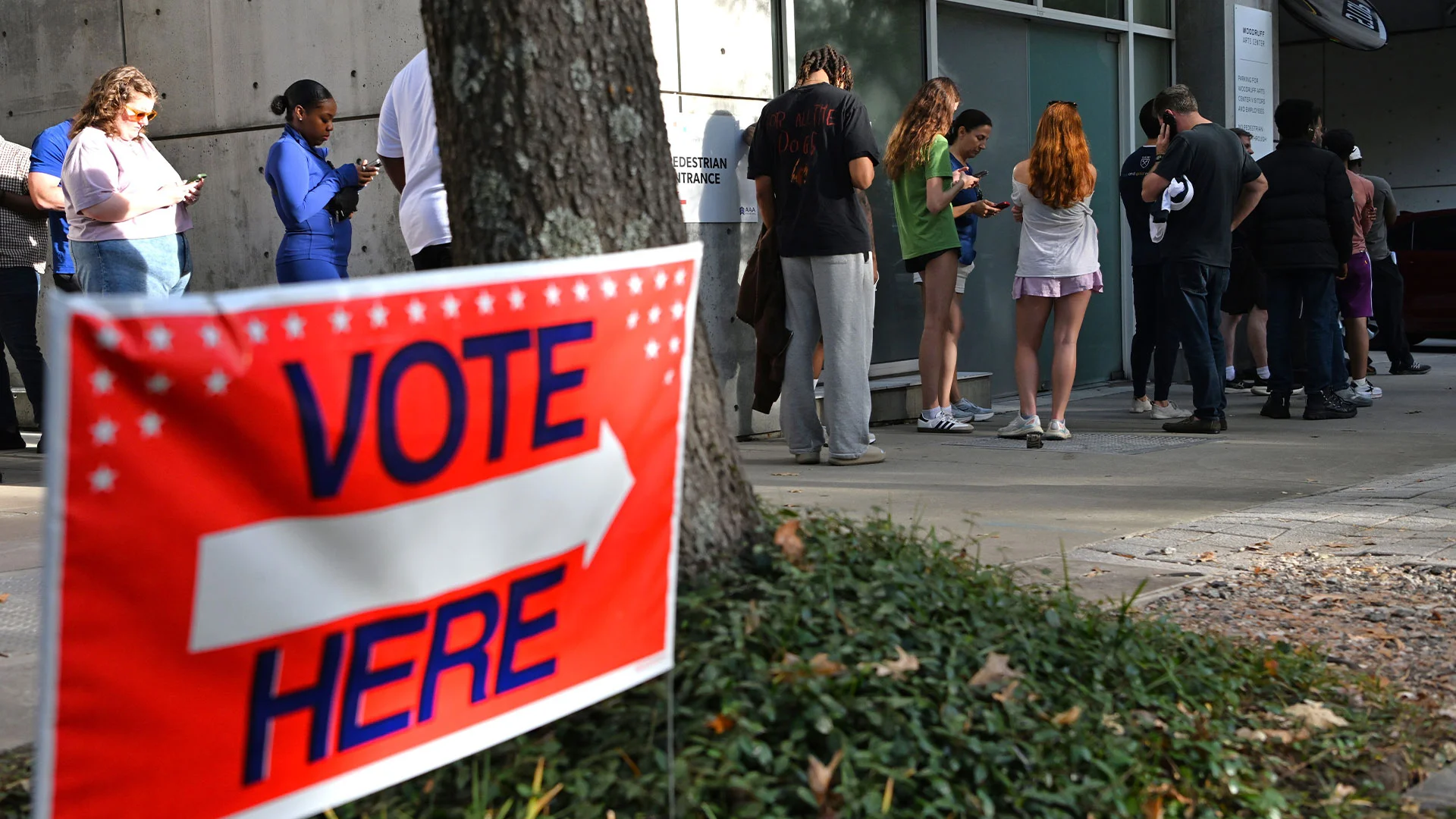
From a political perspective, the elections have the potential to redraw the political map, with a number of seats in play, including 435 in the U.S. House of Representatives and 35 in the U.S. Senate.
There are also 36 state governorships, thousands of state legislative seats, and 145 state ballot measures that will be decided, according to the Taubman Center for American Politics and Policy at Brown’s Watson School of International and Public Affairs.
“The 2026 election is among the most consequential in decades,” said Eric Patashnik, a political science professor and director of the Taubman Center.
Source link