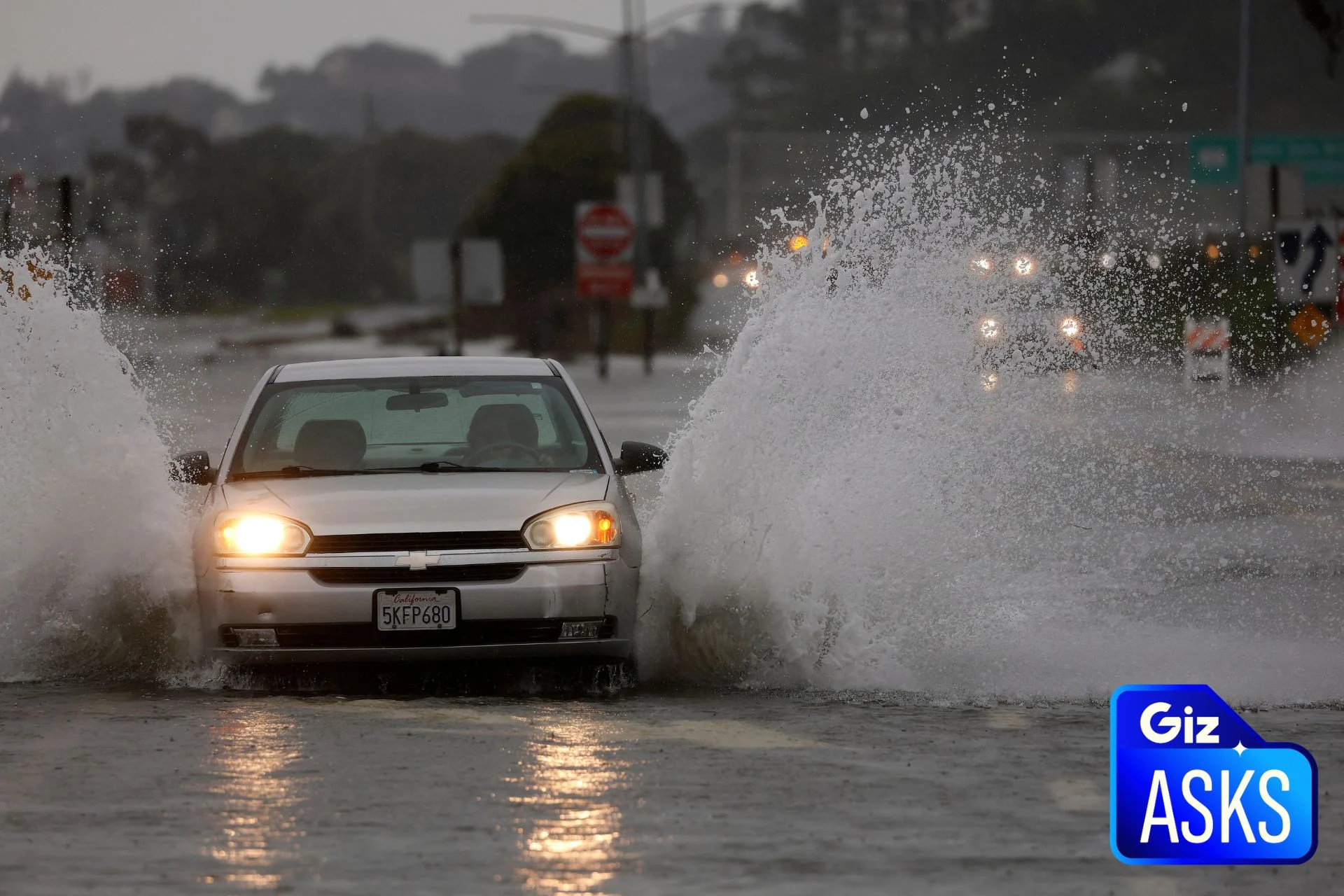
For months, the world has been watching El Niño develop at breakneck speed. Now, sea surface temperatures in the central equatorial Pacific have surpassed levels observed during any previous event, officially making this El Niño the strongest on record.
We’re still months away from the expected peak. According to the latest model projections, sea surface temperatures will reach their warmest point in December at roughly 7 degrees Fahrenheit (4 degrees Celsius) above average. As with any El Niño, that extra heat will rise from the ocean into the atmosphere, supercharging global temperatures and shifting weather patterns around the world. But this El Niño will pack a bigger punch than any seen before.
According to one recent report, this unprecedented event could lead to an estimated 450,000 heat-related deaths in the next six months. Climate scientists have warned that global temperatures in 2027 could resemble levels the planet might not otherwise reach until around 2040, temporarily fast-forwarding the current human-driven warming trend by more than a decade. And speaking of climate change, experts worry it will interact with El Niño to produce unusual extreme weather events that are difficult to predict and prepare for.
For this Giz Asks, we asked experts whether the United States is ready to handle the impacts of this “super” El Niño. They highlighted concerning gaps in preparedness at local, state, and federal levels.
An associate professor for professional practice in climate and faculty director of the National Center for Disaster Preparedness at the Columbia Climate School.
Source link