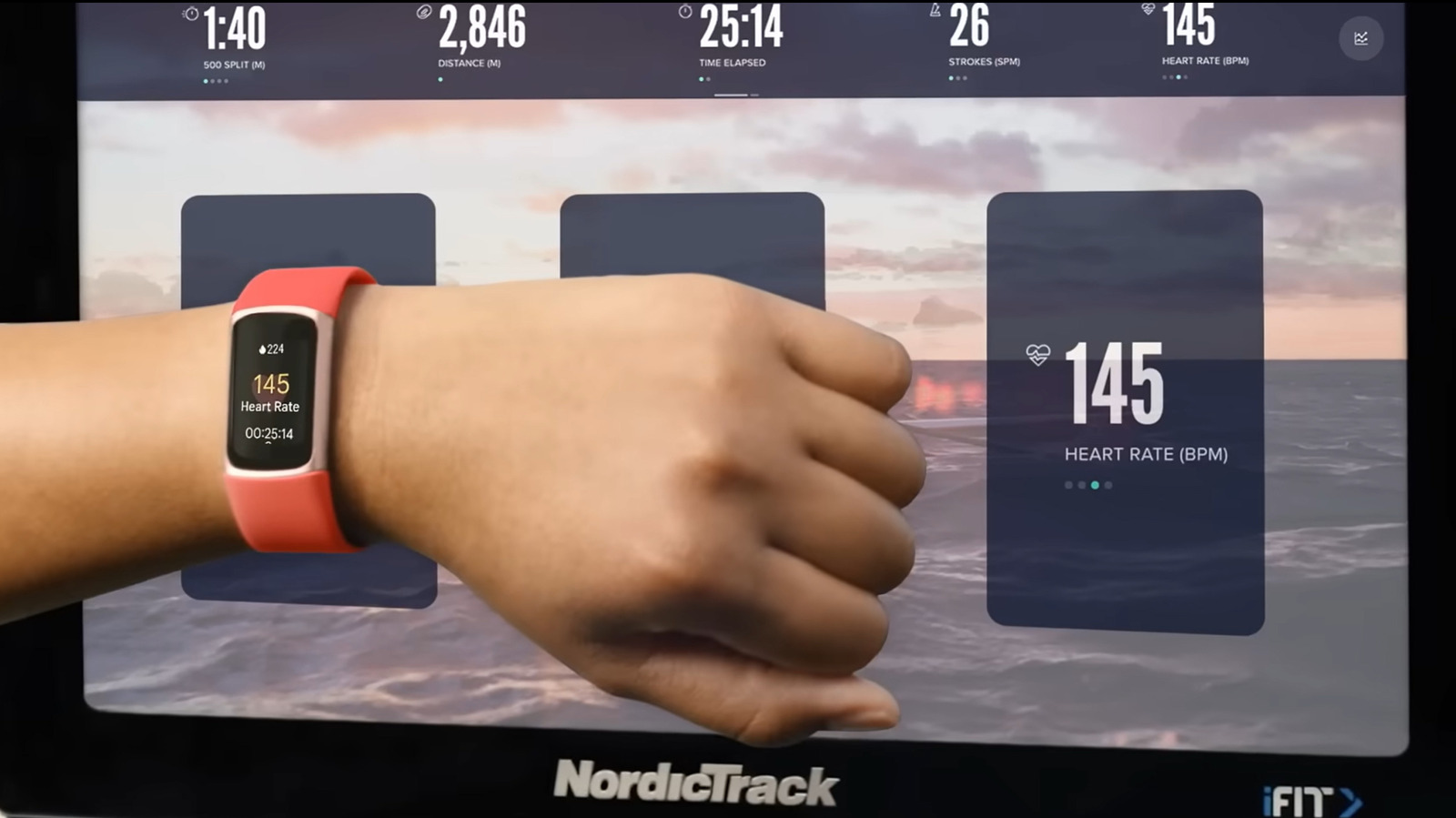
Let's say your Fitbit reads 62 beats per minute (bpm) for your resting heart rate and 24 milliseconds (ms) for your heart rate variability (HRV). The first number is easy enough to understand, but the second is a little harder to interpret, particularly if you know someone whose reading is 80 ms.
The good news is that there's no score to beat for HRV. It is a measure of the difference in time between heartbeats and provides information about how your body responds to stress and recovery. But comparing your reading with another person's won't tell you a lot. Your own numbers, particularly how they change over time, have a lot more to say.
A heart rate of 60 beats per minute is an average, not a promise of perfectly spaced beats. The gaps can still vary slightly. These tiny variations are influenced by your autonomic nervous system, which helps regulate your body's response to stress and relaxation.
Fitbit's optical heart rate sensor estimates the time between heartbeats. Google then calculates HRV using a method called root mean square of successive differences (RMSSD). It's a mouthful, but the resulting number is measured in milliseconds, not beats per minute. It's not like your heart rate, either, which you can watch as you exercise.
Fitbit uses the longest sleep period from the previous 24 hours to calculate HRV (only periods lasting more than three hours qualify). If you did not sleep for a sufficient period of time or the sensor was unable to obtain sufficient data, you may not see a reading.
Source link