More pixels weren’t enough to convince viewers or the TV industry that 4K needed to be replaced.
If you're up for a good laugh, go back and read some articles about 8K TVs from between 2016 and 2022 (give or take). At the time, you've have thought it was a done deal that TV tech was shifting to 8K, and consumers needed to just "get over it." Yet here we are in late 2026, and there are about as many 8K TVs in homes as there are Atari Jaguars and Nintendo Virtual Boy consoles.
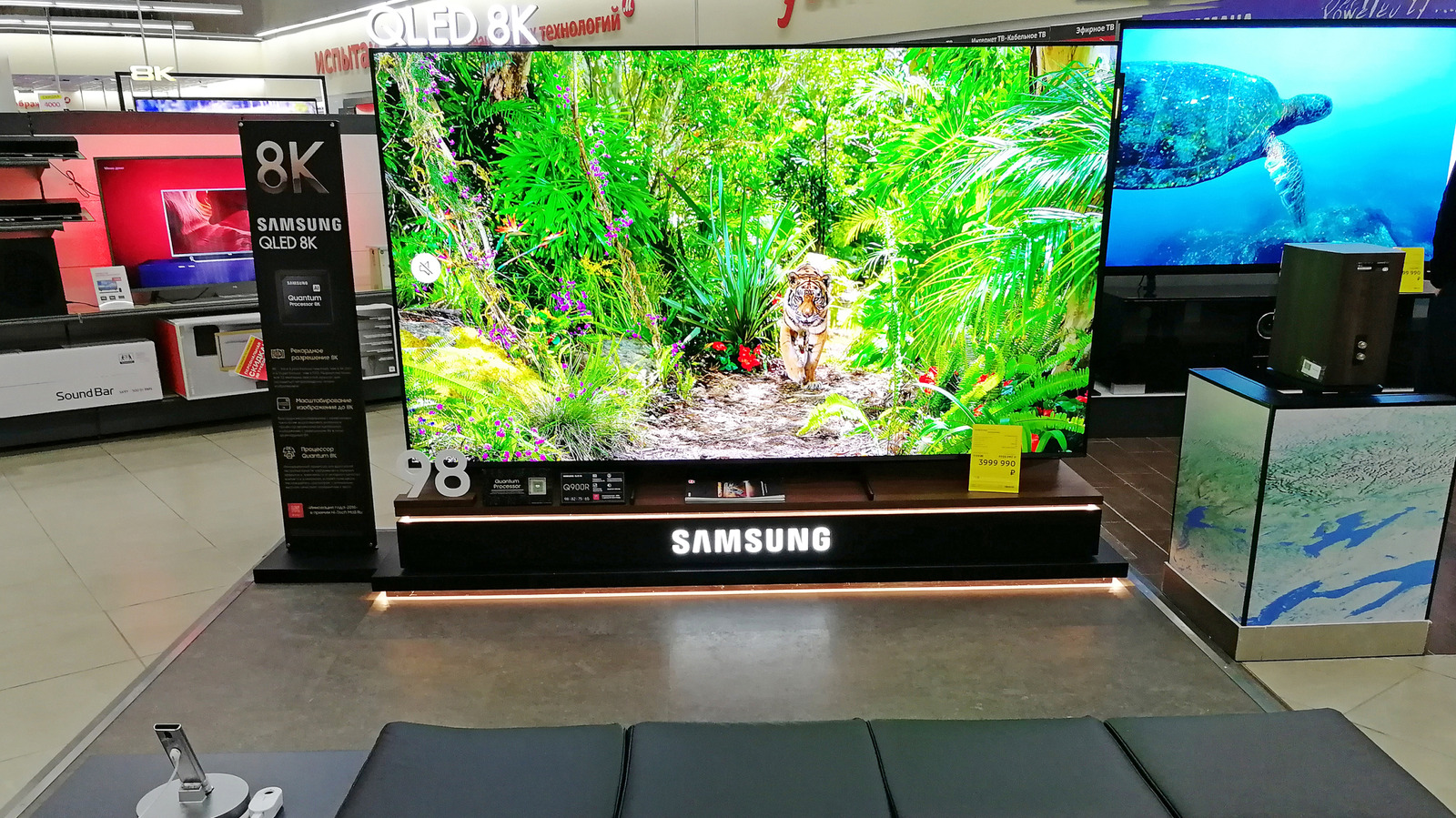
That supposedly inevitable future never became a reality. The celebrations ended quickly, with LG backing out of the 8K market this year when LG Display stopped making 8K LCD and OLED panels (distinct from LG Electronics, which sold the TV sets). Sony discontinued its remaining 8K TVs in 2025, while TCL had already cited low demand to explain why it was backing out. Samsung is the lone holdout, with an 8K QN990H in its 2026 lineup.
The sales figures speak volumes. In September 2024, research firm Omdia reported nearly a billion 4K TVs in use worldwide, compared with cumulative sales of just 1.6 million 8K sets since 2015. While those are two separate measures, it still illustrates an enormous gap in adoption. Omdia also noted that 8K sales peaked in 2022.
An 8K TV is capable of displaying 7,680 x 4,320 pixels. In theory, you'd think everyone would be interested in getting four times as many pixels as 4K, but this number is meaningless when there are virtually no movies, TV shows or streaming libraries in 8K.
Source link