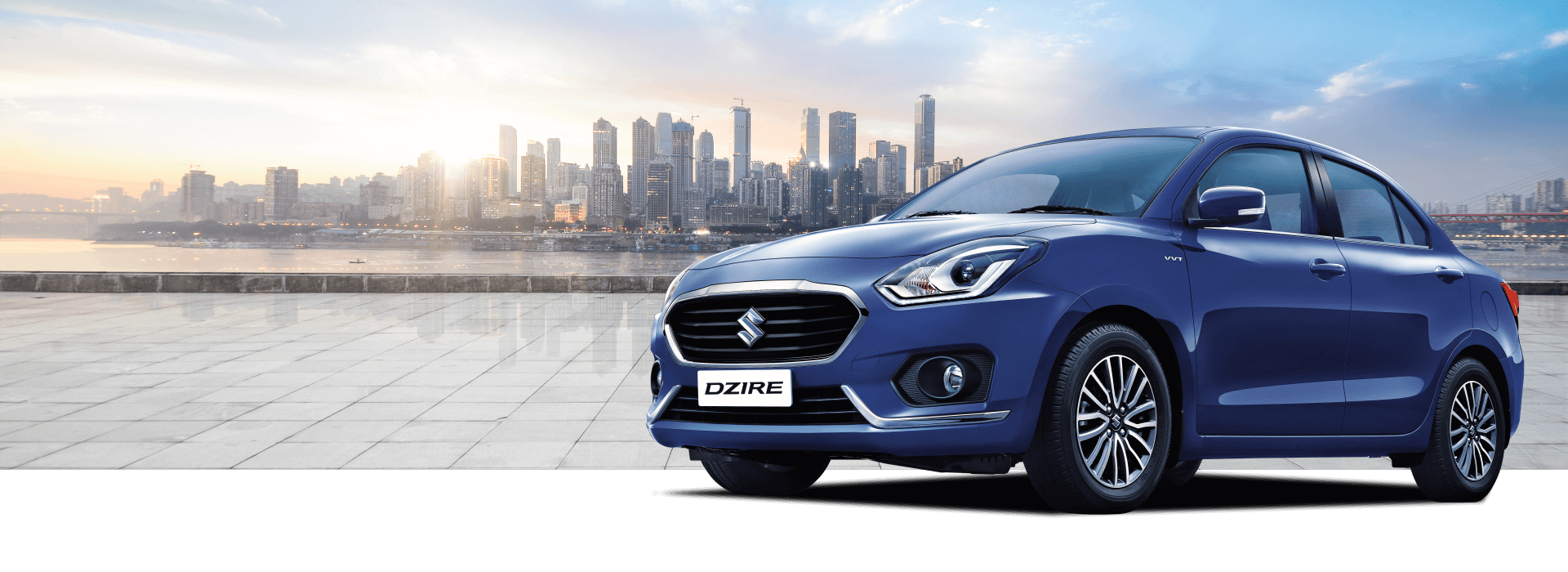
Maruti Suzuki exported 49,872 vehicles in October, rising 59.3 per cent from a year earlier despite worsening shipping disruptions across maritime corridors in West Asia.
India’s largest carmaker, Maruti Suzuki India Ltd., accounts for more than half of the country’s passenger vehicle exports, maintaining shipments even as secondary transport links come under pressure.
Transit routes through West Asia serve as a vital corridor to Europe and North Africa. Trade lanes around the Strait of Hormuz have suffered recurring delays since conflict broke out in late February following a joint US and Israel operation in Iran.
Vessels bypassing disrupted passages now face escalating delays as alternative maritime corridors run out of spare capacity. Rahul Bharti, senior executive officer for corporate affairs at Maruti Suzuki, confirmed the logistical friction at a press briefing on Sunday.
“The Middle East situation has actually slightly worsened. We were using an alternate route, even that alternate route has a bit of a problem,” Bharti said.
Export demand in destination markets remains stable. That customer appetite is forcing carmakers to absorb complex freight rerouting rather than trimming assembly line targets in India.
Higher transit times and elevated commodity prices linked to the conflict took a direct toll on earnings during the September quarter. Maruti Suzuki posted a 26 per cent drop in net profit to 2,466 crore rupees, while rival exporter Hyundai Motor India recorded a 24 per cent decline to 1,196 crore rupees.
Other vehicle exporters face the same pinch. Two-wheeler manufacturers Bajaj Auto, TVS Motor and Hero MotoCorp have reported higher freight expenses on outbound deliveries to overseas markets, while carmakers including Volkswagen and Nissan manage identical distribution headwinds out of Indian assembly hubs.
Source link