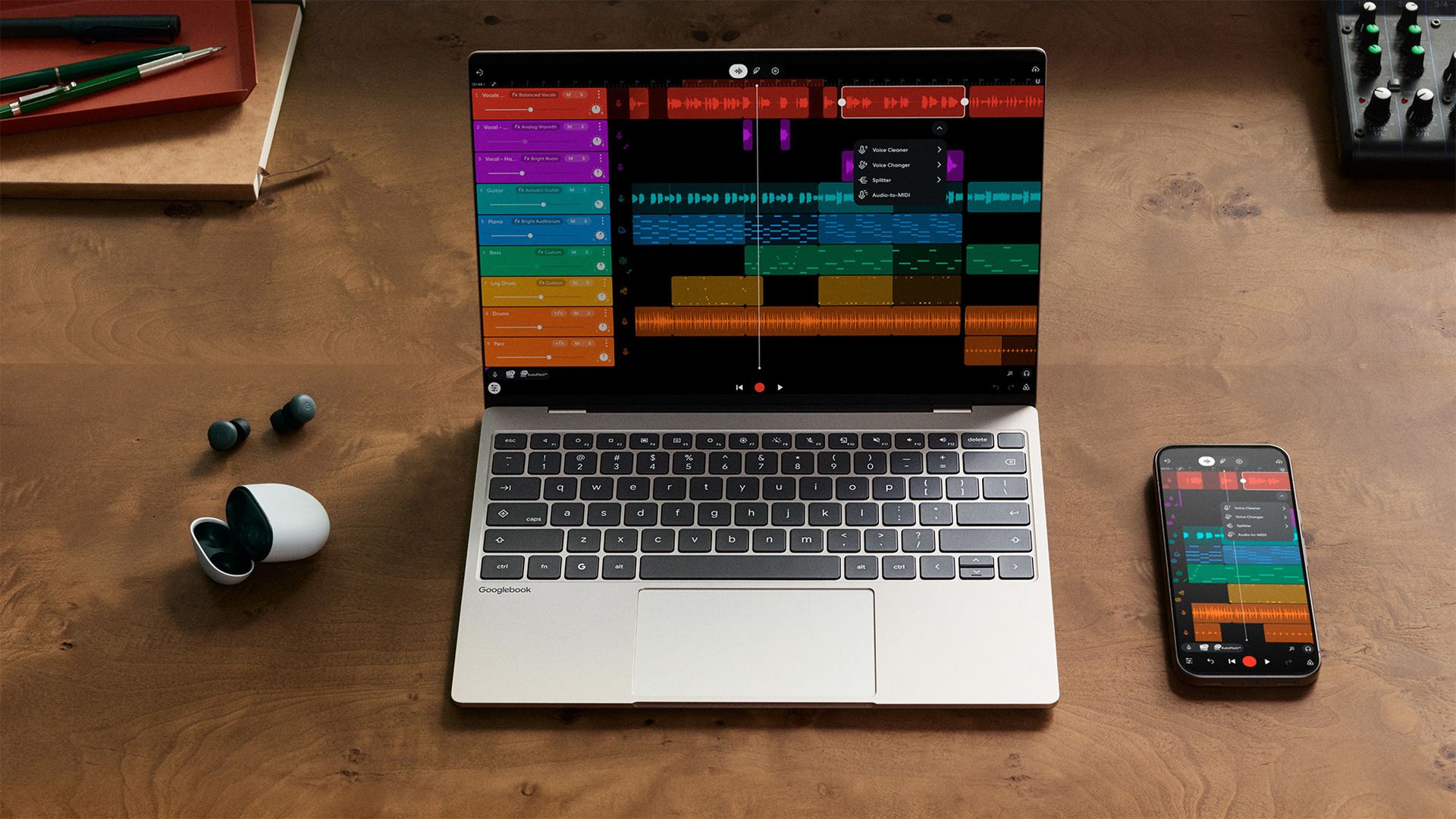
Google recently announced 'Googlebooks' as new laptops built with Intel Core Ultra Series 3 (Panther Lake) and Qualcomm Snapdragon X Elite processors, expanding its range beyond budget-centric Chromebooks at a more premium price point. Starting at $899 with an Acer model, more devices from ASUS, Dell, HP, and Lenovo are also due to launch on October 4, 2026.
Among its five 'flagship' launch models, Google advertises features such as high-resolution touchscreen displays, haptic touchpads, and built-in NPUs for local AI tasks, primarily focusing on Gemini. Of the 13.4-inch to 15.3-inch laptops, only the $999 Dell XPS Googlebook uses an LCD screen, while the remaining brands opt for OLED panels. So, is 'Googlebook OS' any threat to Windows?
My gut reaction — as someone outside the target audience for these Android-on-steroids laptops — was one of unsurprising skepticism. Before looking at prices, I immediately thought of the ongoing, oft-misrepresented software compatibility controversy surrounding Windows on ARM laptops that arrived with Qualcomm's first Snapdragon X chips.
If Microsoft already faced pushback at the slightest hint of incompatibility, I'm not sure a Google-first laptop stands a chance against Windows ultrabooks in the same price range, especially when the first Googlebook wave resembles existing laptops from the same brands anyway. Plus, they have to compete with Apple's similarly priced MacBook Air and cheaper MacBook Neo.
I know, I hear you saying, "Oh, the Windows Central guy isn't excited about the Googlebook? " I get it, but hear me out; I'm still a regular consumer like anyone else, and I'm always a fan of genuine rivalry if it drives the kind of competitive pricing that led Dell to answer the MacBook Neo with the new XPS 13 .
Source link