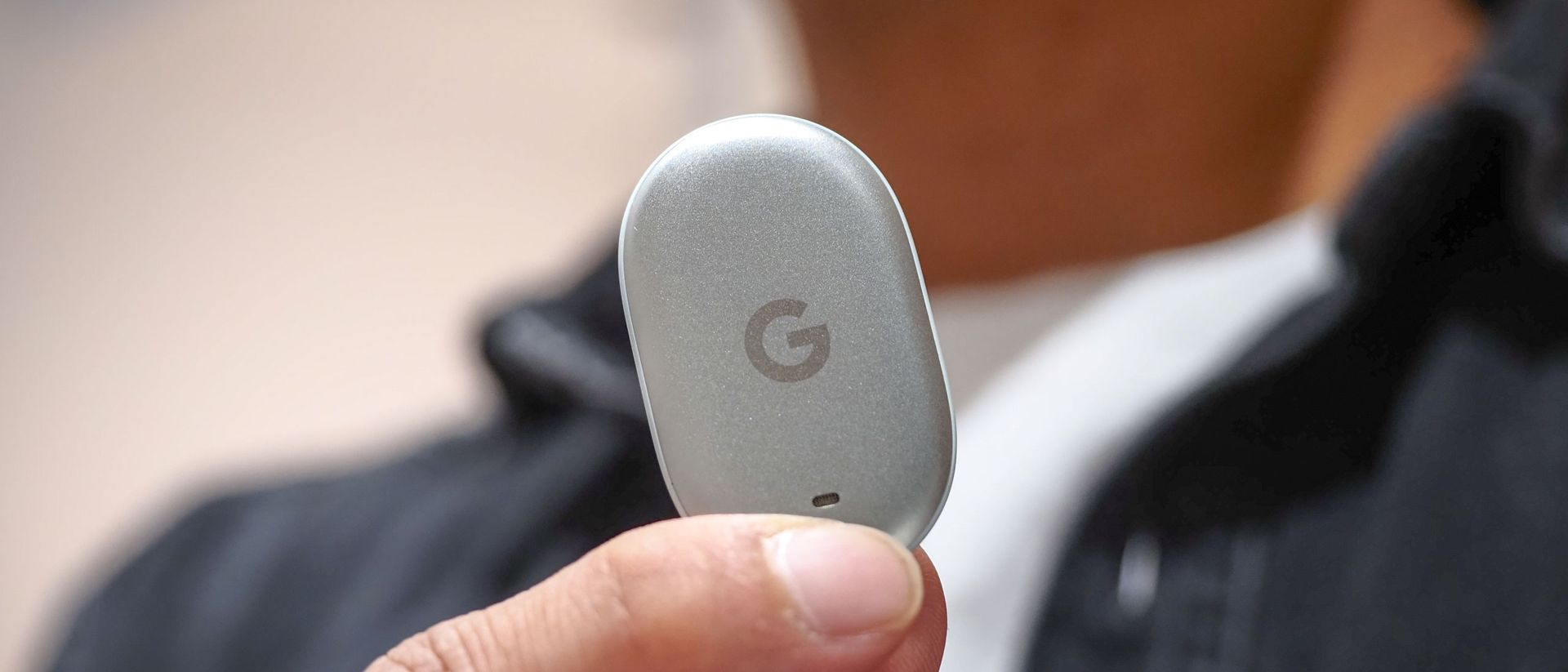
Google’s own tracker adds a few welcome details to the smart tracker field.
When a company comes out with its own version of a product in an established market, there has to be a good reason. Maybe it’s created a design that sets the product apart, or it’s included features that none of the competition has.
If you think I’m talking about Apple and Google, you’d be right – but this isn’t the iPhone Duo muscling into the folding phone fray. This time, the roles are reversed: Google is releasing the Pixel Tag, a small Bluetooth tracker that it hopes will be the Android ecosystem’s answer to Apple’s near-ubiquitous AirTag.
The Pixel Tag is available starting Wednesday for $30 each or $100 in a pack of four. It works with Android phones and uses Google’s Find Hub technology for tracking over distances beyond Bluetooth range. If you use an Android phone and have wanted the capability to track things such as keys, bags, bikes, vehicles and other indispensable items, and you want the tech to come from the company that designed the system, the Pixel Tag is an excellent choice.
It isn’t the first Android-compatible tracker. Motorola introduced its Moto Tag 2 earlier this year, and Tile has been the de facto AirTag alternative for several years. There’s also now a growing ecosystem of other items that tap into Apple’s Find My and Android’s Find Hub networks, ranging from slim credit-card-sized devices like the Rolling Square AirCard Pro and Peak Design’s Beacon Finder Card, to novel approaches like Falcam’s TagBatt, a battery for some Sony and Canon mirrorless cameras that integrates Apple Find My tracking.
Source link