Over the past few years, I’ve tested my fair share of Bluetooth trackers — ranging from wallet-thin cards like the Statik SmartCard Incognito to the Pebblebee Halo, which can potentially help elderly individuals in emergency situations. Google has expanded its Find Hub network, finally giving Android users plenty of options, but many of these trackers share one glaring limitation: pinpoint proximity tracking.
While iPhone users have long enjoyed the superb performance of Precision Finding — leaning on Ultra Wideband (UWB) for pinpoint accuracy — most Android trackers don’t have that luxury. Instead, they rely on basic Bluetooth proximity that only shows broad geographic circles on a map.
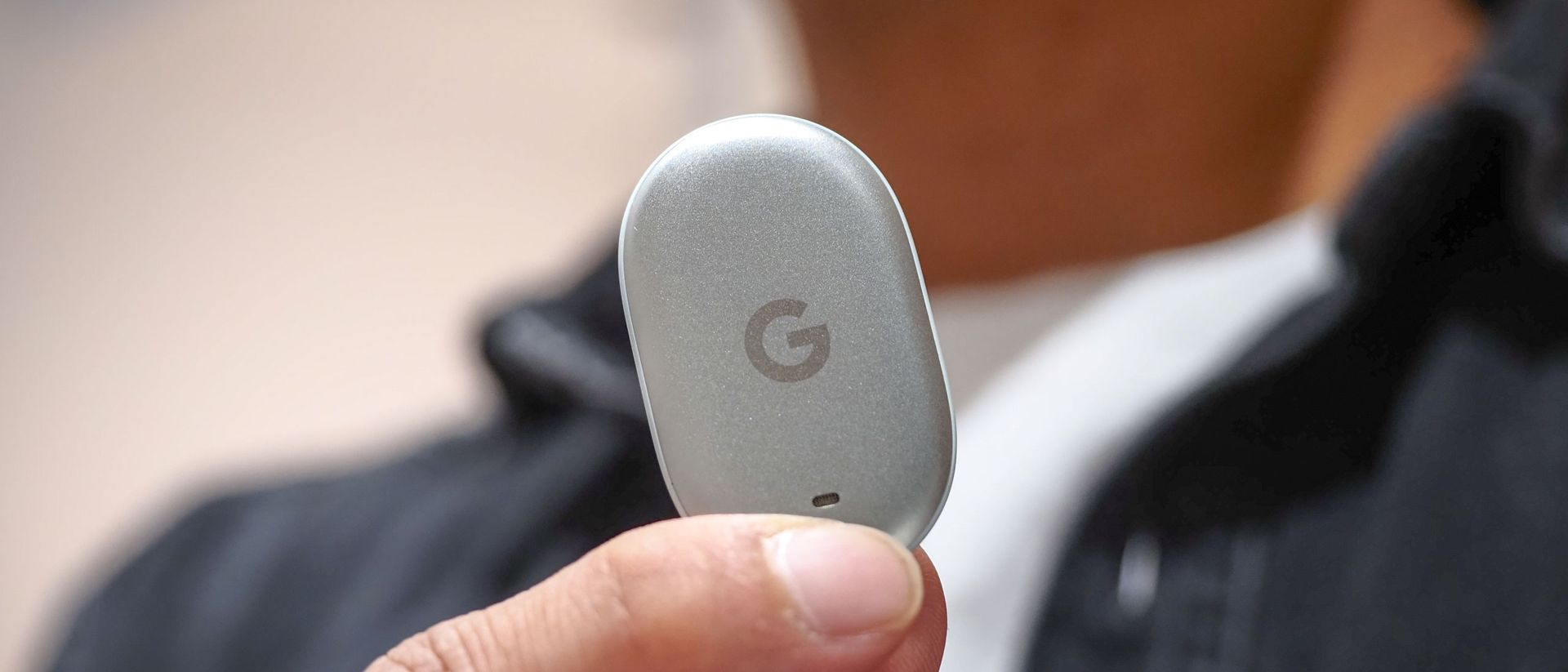
Google’s Pixel Tag is one of the few Android trackers that packages Ultra Wideband (UWB) and Bluetooth Channel Sounding directly into Google’s native ecosystem. As a result, the Pixel Tag delivers true visual Precision Finding to Android devices. After putting it to the test, I found it holds one distinct advantage over the AirTag and one of the best Bluetooth trackers you can get.
Easily the best feature of the Pixel Tag is its ability to lock down an exact position with outstanding Precision Finding range, which actually managed to outperform even Apple's AirTag 2 in my testing. Using the Find My Device app on an Android phone, you get intuitive on-screen visual guidance, complete with compass-like directional arrows and real-time distance readouts that point you right where you need to go.
While the AirTag 2 tapped out around 74 feet in my testing before dropping its Ultra Wideband connection, the Pixel Tag held on slightly farther, reaching roughly 82 feet.
Source link