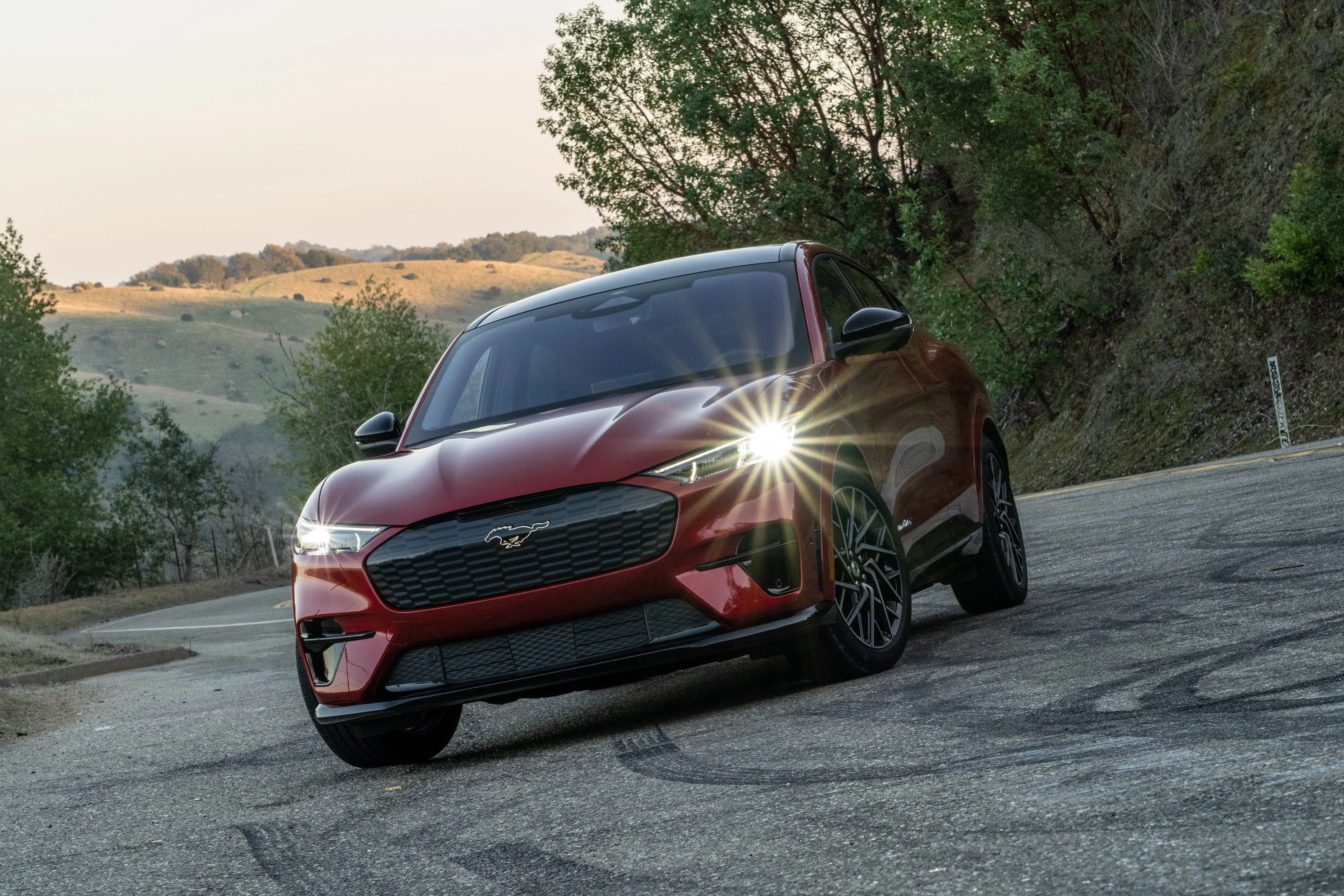
2021 Mustang Mach-E electric SUVs have kept most of their battery and range after thousands of miles on the road.
Real-world battery life for phones, laptops and other electronic devices can diminish over years of use, but does the same happen to electric cars after thousands of miles and hundreds of recharges? According to data published by Ford this week: Yes, but not as badly as you might fear.
The automaker published a report analyzing the battery state of health of more than 36,000 Mustang Mach-E electric SUVs sold to customers across the US and Canada during the initial 2021 model year. After more than five years on the road — and an estimated 2 billion cumulative miles driven — the fleet averaged 92% battery health.
I call that impressive, but not totally surprising. That battery durability data is largely in line with what I’ve seen reported across the industry by other automakers and independent analysts.
One of the biggest concerns of early EV adopters a decade ago (also shared by fence-sitters today) is long-term reliability. The battery is by far the most expensive component of an electric car, and owners want to know their shiny new EV will last as long as the combustion car it replaces.
Battery longevity is particularly important as more used EVs enter the market. Many experts (myself included) have touted pre-owned and off-lease EV deals as a way to bypass the electric-car price premium, but shoppers may be hesitant to roll the dice on higher-mileage vehicles.
Source link