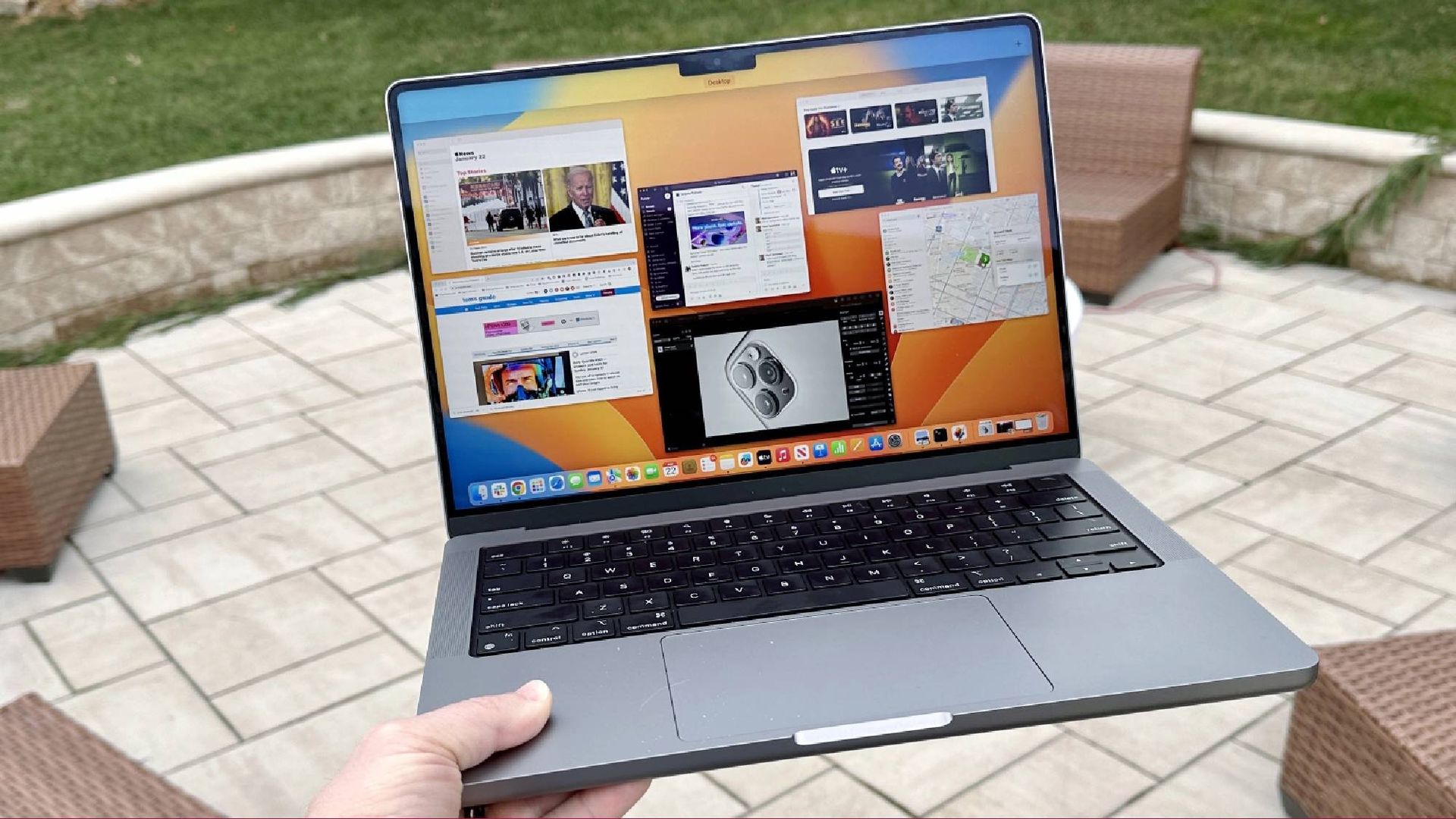
Apple’s ‘Pro and Tell’ event is just days away, and the tech world is practically vibrating over the rumors of a redesigned OLED touchscreen MacBook Pro.
It sounds like a dream machine. But before you get your wallet out for it, we need to have a very grounded conversation about what that screen is actually going to cost you, and whether OLED is going to be a smokescreen for skyrocketing memory costs.
I’ve been speaking with David Naranjo, Associate Director at Counterpoint Research, who just ran a Bill of Materials (BOM) analysis on what this leap to OLED actually means for the PC industry.
And the data tells a fascinating story: OLED isn’t just making your laptop look prettier. It is fundamentally changing how much you are going to pay, and acting as a very convenient distraction for rising hardware prices.
Let’s cut straight to the math. Right now, if you want a 14-inch MacBook Pro with M5 Pro and a mini-LED display, the starting price is $2,499. If Apple drops an OLED model next week, Naranjo is expecting that cost to jump.
“Based on a BOM analysis for the current mini LED model and our IT Panel cost report, I would expect a 14" OLED version to start between $2,799 and $2,999,” Naranjo commented.
That’s a sizable $3-500 “Apple Tax” increase overnight, so where is that money going? According to Counterpoint, it covers the advanced tandem OLED technology (the same bright, vivid panel you see in the M5 iPad Pro), the long-rumored touchscreen features, and — crucially — ongoing memory expenses.
Source link