The race to make wearable technology smaller, smarter and more intuitive is entering a new phase, as consumer technology companies look beyond smartwatches and fitness bands towards a future where health tracking is increasingly discreet, continuous and personalised.
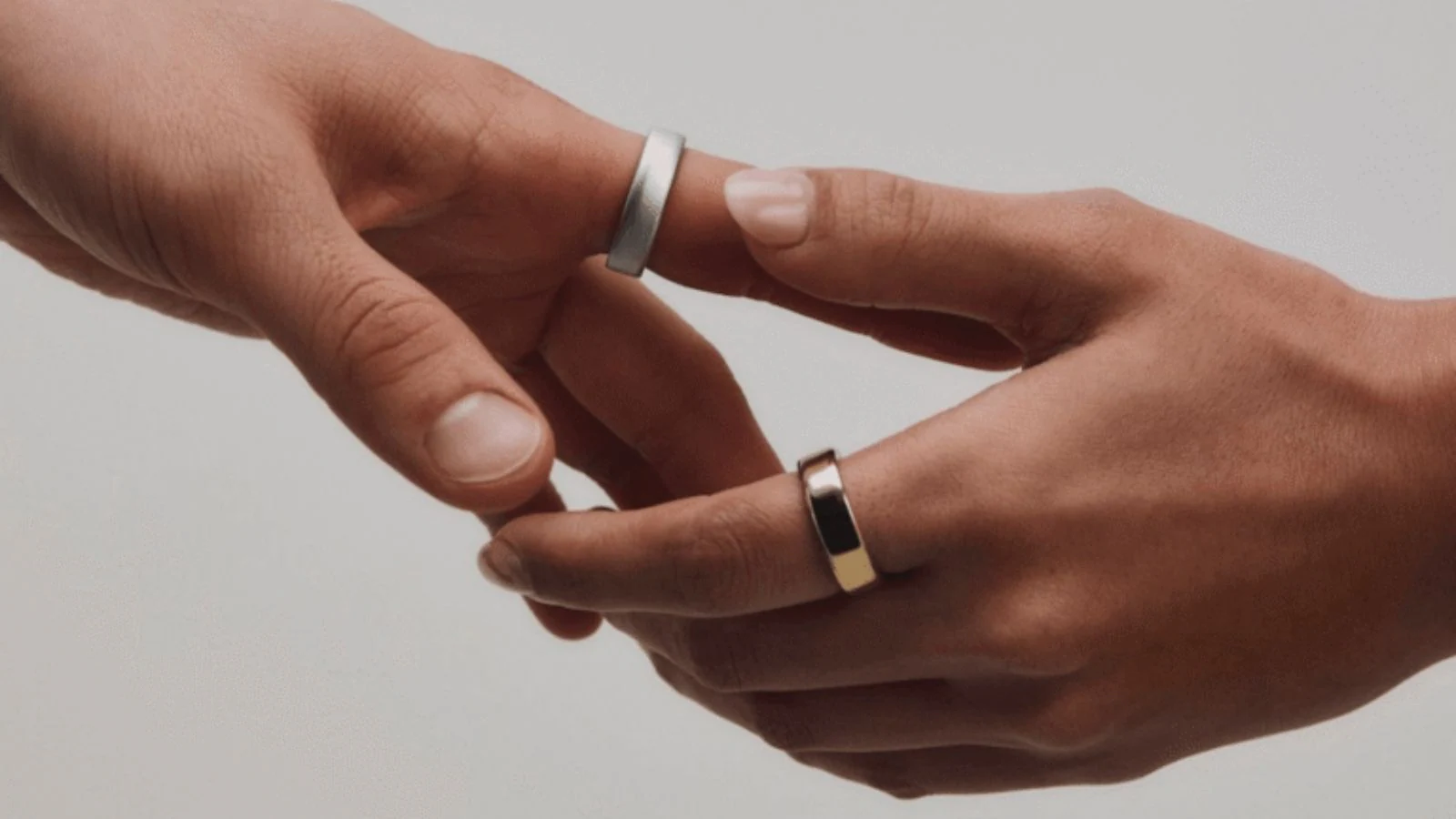
Oura Ring 5, launched in India on October 22, is 40% smaller than its predecessor, Oura Ring 4. Priced from ₹39,900, the smart ring combines next-generation sensors, personalised health insights and up to nine days of battery life in a titanium design built for continuous wear.
The launch comes as India's wearables market looks beyond step counts, calories and workout metrics towards a more comprehensive understanding of everyday health.
Can India become a market for premium smart rings? Oura Ring 5 is priced at ₹39,900 for the Black and Silver variants, while Gold, Deep Rose, Stealth and Brushed Silver cost ₹50,900. An Oura membership, priced at ₹599 per month inclusive of taxes, adds a recurring cost to ownership.
This puts Oura in the premium segment of a market where consumers have alternatives at different price points. Bengaluru-based Ultrahuman has built its proposition around sleep, recovery and metabolic health, while Gabit combines wellness tracking with nutrition insights at a more accessible price point. According to IDC data cited by TechCrunch, Ultrahuman led India's smart-ring market in 2025 with a 30.4% share, followed by Gabit at 18.3%. Samsung's Galaxy Ring adds another global competitor, drawing on its wider Galaxy ecosystem.
With competing products offering alternatives without mandatory monthly subscriptions, Oura's challenge will be to convince Indian consumers that its health insights and software experience justify the premium.
Source link