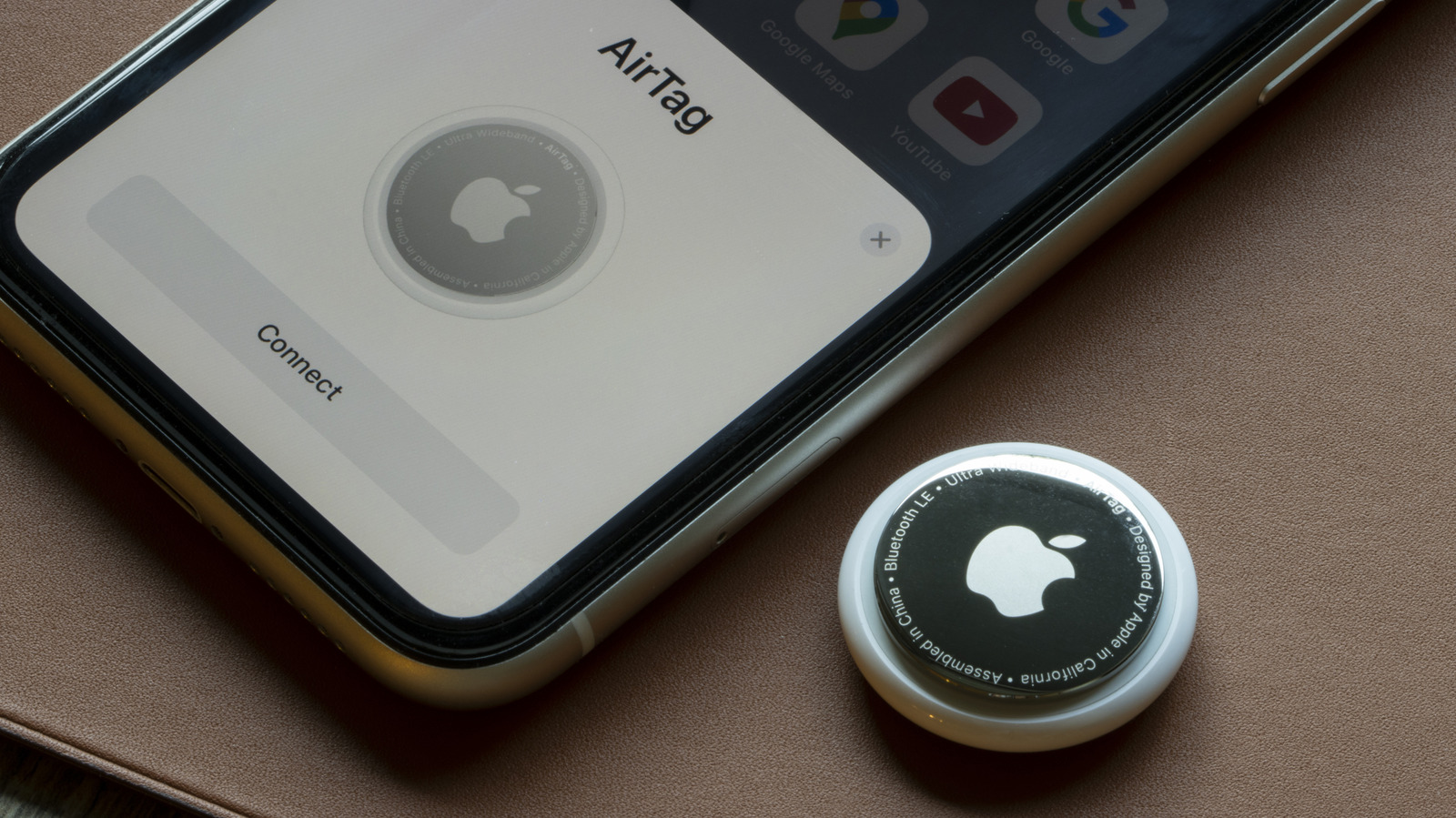
Airline regulations are strict about batteries, but AirTags are thankfully a simple case.
From filthy TSA bins to extraordinary delays, flying can be a harrowing experience. And lost luggage is undoubtedly near the top of the stressors list. Keeping track of your suitcase by setting up an AirTag lets you know that your possessions have safely made the journey, or at least figure out where they got lost along the way.
Of course, even using an AirTag isn't a flawless system, particularly if you're flying somewhere with lower percentages of iPhone users like Eastern Europe or South America, since an AirTag relies on the presence of Apple devices to function. And while several airlines do accept Apple's Share Item Location feature to better locate a lost bag, it's not universal, meaning you might get little out of the tracking system other than seeing your suitcase isn't where it's supposed to be.
However, with so many battery-centric rules in place for flying, is this actually allowed by the TSA?
The TSA has very specific limitations regarding lithium batteries on flights. Non-rechargeable lithium metal batteries are limited to 2 grams of lithium content, and rechargeable lithium ion batteries must have a maximum rating of 100 watt hours (Wh), with higher watt-hour devices requiring specific airline permission. 1 grams of lithium, falling well below this limit. Because AirTags aren't rechargeable, the watt-hours restriction doesn't technically apply. 7 Wh.
Source link