Last fall, Raza Haider, president of premium consumer audio at Bose, noticed something peculiar when dropping his daughter off at college: more students were wearing wired headphones than he’d seen in recent years. “Even [my daughter] made a comment like, ‘this is nuts. When I was in high school, we would have made fun of kids who had wired headphones, and now it feels like all the cool kids have them,’” Haider says.
There’s a rift from Bluetooth headphones underway that isn’t just anecdotal. Sales increased 15% year-over-year from 2025 to 2026, totaling $354 million in 2026 according to data from market research company Circana. That might not seem very high, but in the context of the broader, usually mostly flat-growth headphone market, it’s pretty noteworthy, says Paul Gagnon, VP and industry advisor for consumer technology at Circana.
“If you look at the last six or seven years, wired headphones had been declining. Consumers had shown preference for wireless, especially earbud style, like Apple’s AirPods,” Gagnon says. “We started to see the wired headphone category return to growth last year.”
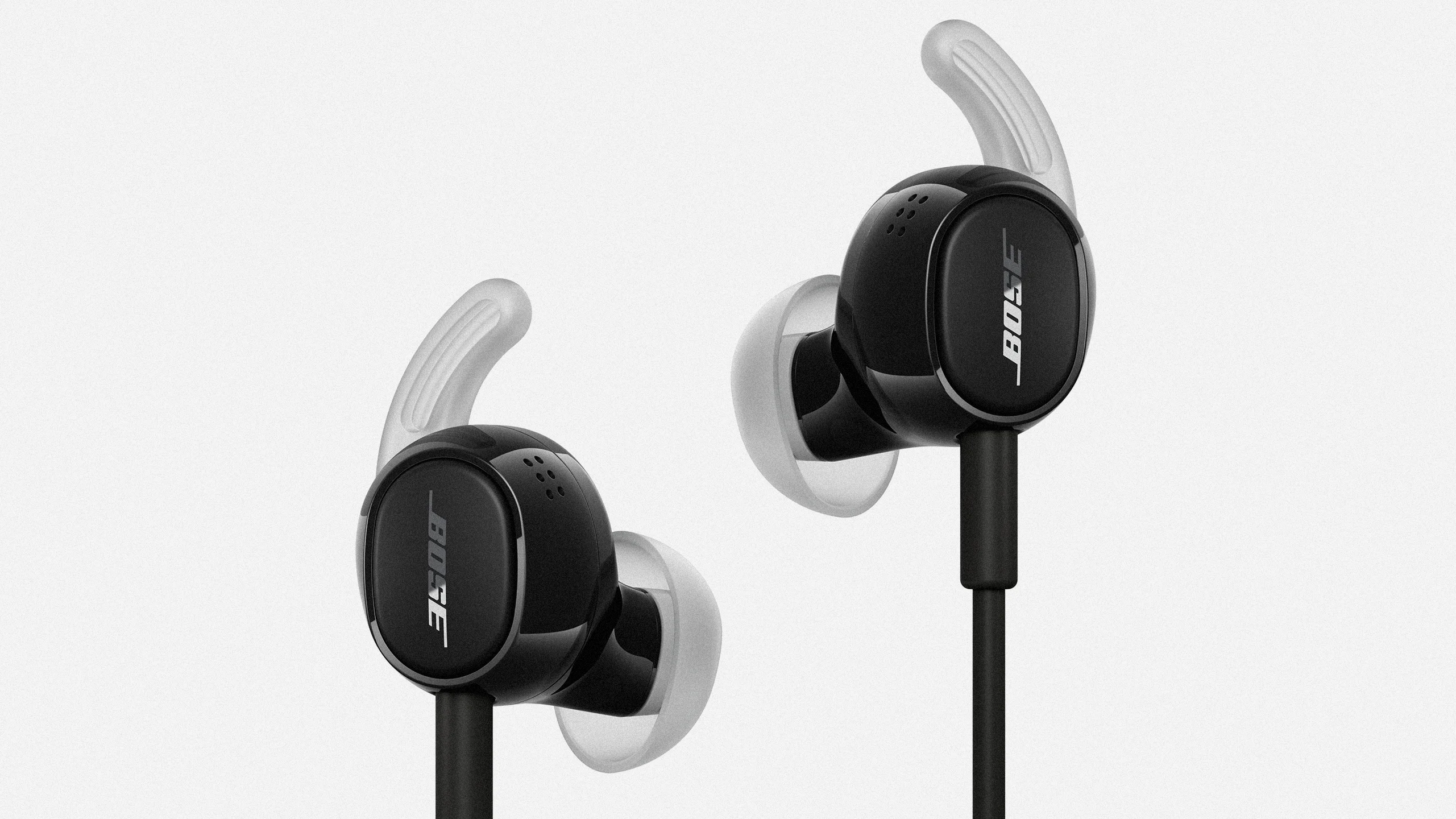
When Bose released its noise-canceling wired earbuds—its first wired audio product in 11 years—in late September, pre-orders for the $99 headphones sold out two months’ worth of stock in less than 24 hours. The company says this “overwhelming demand” has caused subsequent stock availabilities to quickly sell out as well. Excitement for the new headphones, which shipped Oct. 15, underscores a renaissance happening in headphones.
Bluetooth may have dominated for years as the hands-free way to listen to music, with active noise cancellation becoming standard for many.
Source link