CONNECT WITH US
Tech

Tech

America gave up its rare earth edge. China took full advantage.

Ars Technica - Tech logo

Published on

Add as a preferred source on Google
America gave up its rare earth edge. China took full advantage.

Look around you, and you’ll see rare earth elements at work. A phone vibrates because a magnet moves a weight. Its screen was polished with cerium powder. Its connection to the rest of the world crosses oceans on cables amplified with erbium. If you drove today, a rare earth magnet helped you steer, and a cerium compound scrubbed the exhaust.

All of these devices function because of 17 metals collectively known as rare earth elements. The scientists who gave the group that name in 1794 created a misnomer. Cerium alone is about as common in the Earth’s crust as copper.

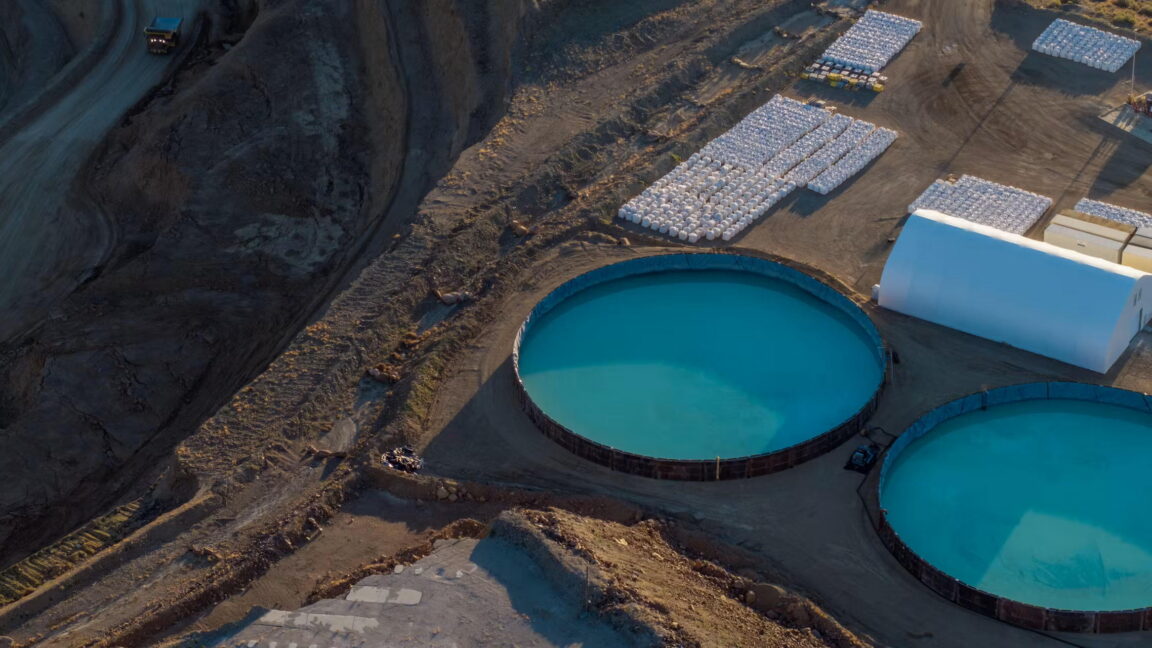
However, separating rare earth minerals from one another and from raw ore is intensely difficult. As a result, countries that control the processing of rare earth minerals have a lot of political leverage.


Source link
Disclaimer

We strive to uphold the highest ethical standards in all of our reporting and coverage. We TheMorningPulse.fyi want to be transparent with our readers about any potential conflicts of interest that may arise in our work. It's possible that some of the investors we feature may have connections to other businesses, including competitors or companies we write about. However, we want to assure our readers that this will not have any impact on the integrity or impartiality of our reporting. We are committed to delivering accurate, unbiased news and information to our audience, and we will continue to uphold our ethics and principles in all of our work. Thank you for your trust and support.