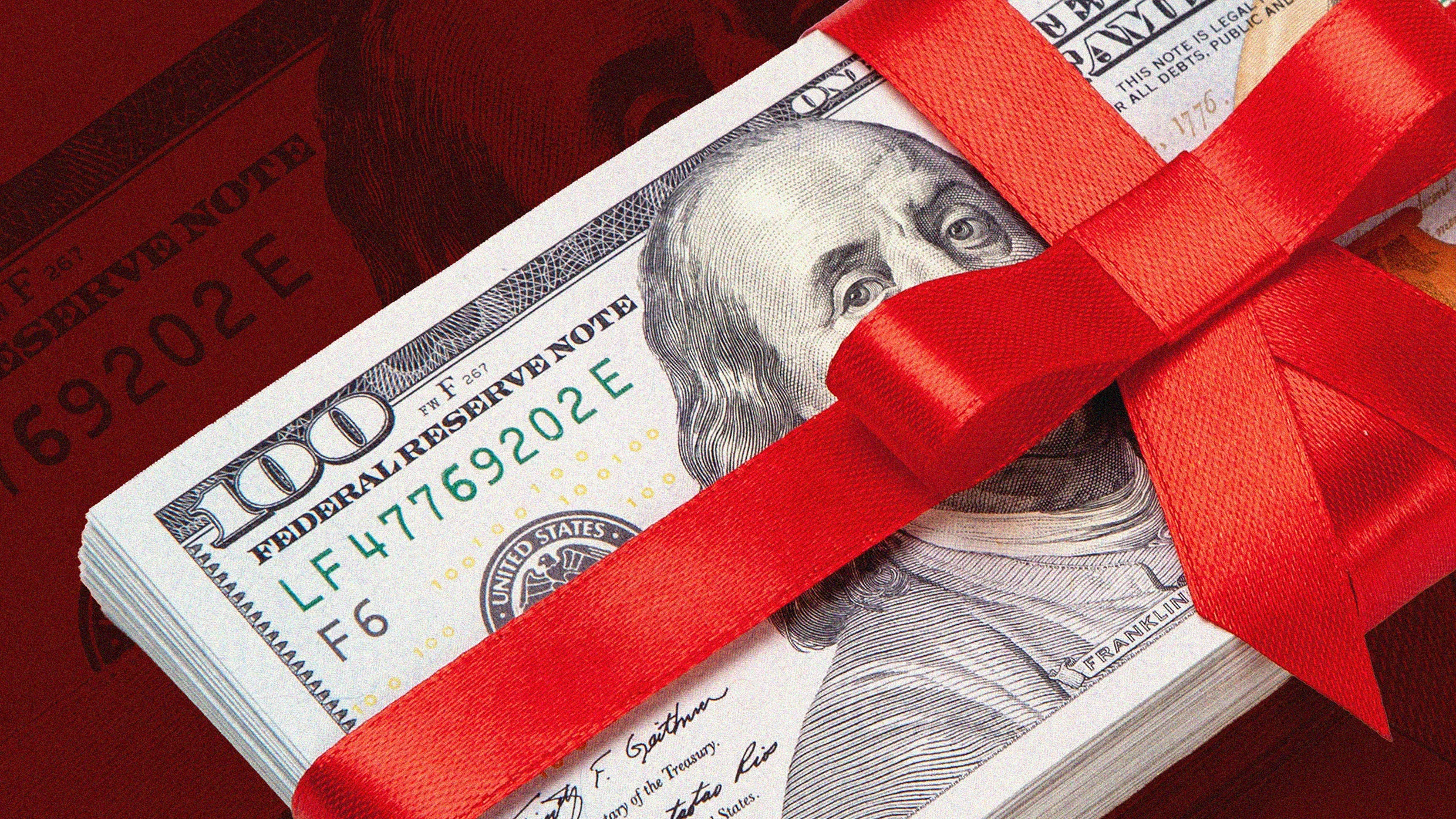
Some of Silicon Valley’s biggest names are digging deep into their pockets. Elon Musk has promised to give every child in America a share in SpaceX next year. That would amount to roughly 72 million shares worth $10.5 billion at recent prices. It’s a generous offer, although each child would receive about $146, a tiny fraction of Musk’s fortune, which has recently topped $1 trillion.
And Musk isn’t alone. Anthropic, the AI company behind Claude, recently unveiled plans to set aside 5% of its shares for public benefit. Based on its most recent funding valuation, that stake would be worth roughly $48 billion. Rival OpenAI has also pledged billions toward charitable causes.
The sums are eye-watering. But turning those promises into money that actually reaches the public is more complicated.
“The traditional approach is one that requires a substantial financial commitment upfront,” says Brian Mittendorf, an accounting professor at Ohio State University, “not just a stated intention to put money aside.”
Anthropic’s proposal still requires shareholder approval. If approved, it would transfer shares into a company-controlled limited liability company (LLC), which could donate to charities or distribute money directly to people whose livelihoods have been disrupted by AI. Its board could also allocate another 2% of shares each time the company’s valuation increases by 50%. Including pledges from founders and employees, Anthropic estimates that roughly a fifth of its stock is being dedicated to public benefit.
OpenAI is taking a different approach. Its nonprofit foundation owns a stake in the ChatGPT maker that was valued at around $130 billion when the company restructured last year.
Source link