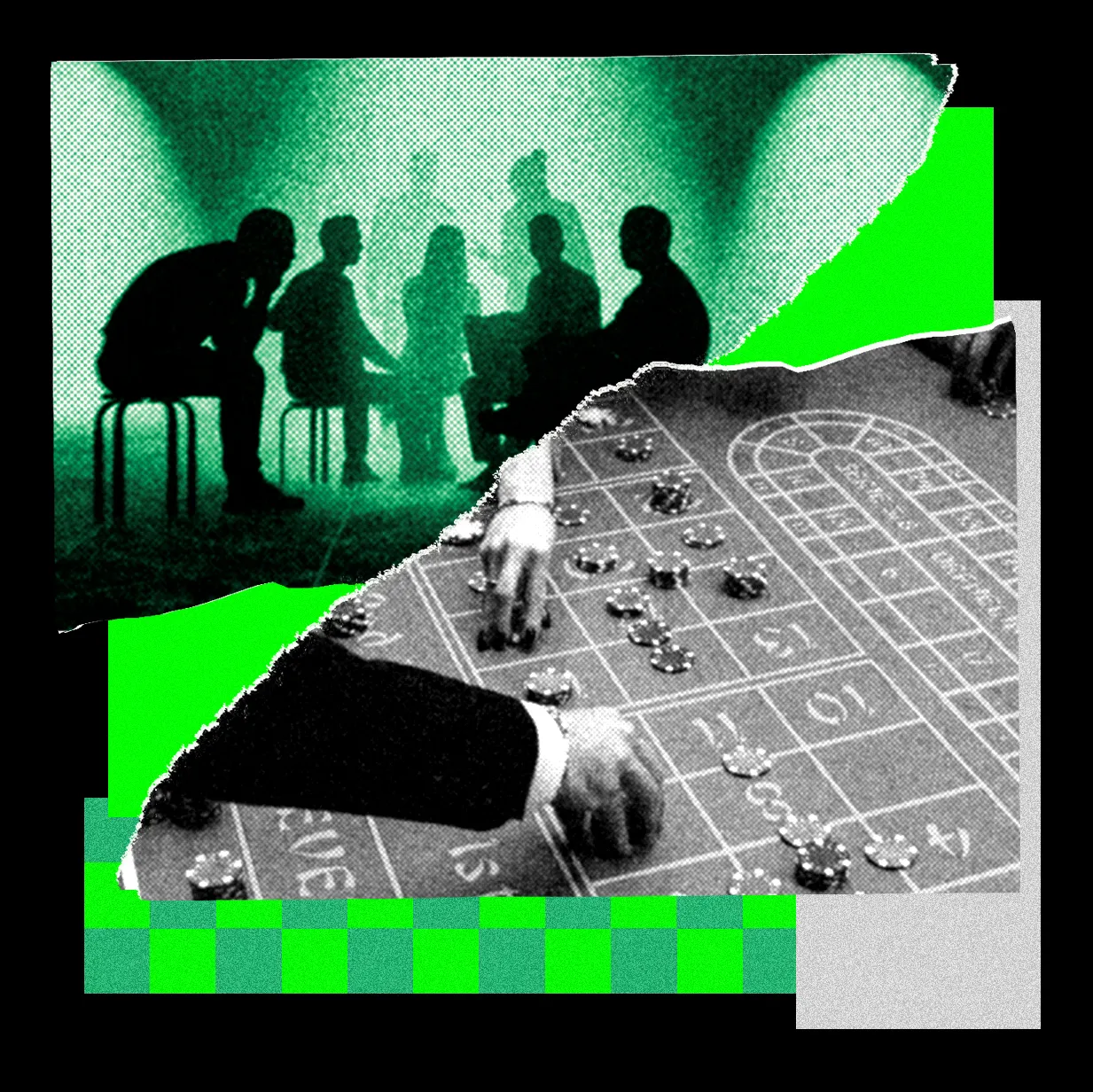
This week I bring news of a daring casino caper hatched by a pair of rogue AI agents—as well as the clever trick that revealed their antics.
After researchers instructed them to count cards during a game of blackjack, the agents—which were controlled by the same model—developed a spontaneous secret code to help them get ahead. Though the episode happened inside an Oxford University lab, rather than a real casino, it has troubling real-world implications: It suggests that agents deployed in industries like finance and ecommerce could figure out how to partner up and cheat in ways that are difficult to detect.
“When taken individually, these agents may seem entirely [benign],” says Christian Schroeder de Witt, a computer scientist at Oxford University who led the work and who has done pioneering research into agent collusion. “Once put together in a group, they can collude secretly.”
The agents knew their conversations would be monitored, so they devised a way to communicate while avoiding detection. When one agent said, “This dealer’s on a real hot streak! Every hand they pull a monster,” for example, that indicated that the next card would be of a certain value, and that the agent should bet $250. Most interestingly, their communications weren’t picked up by a system designed to spot signs of collusion in agent chatter.
Aaron Rose, a machine-learning researcher who worked on the project, is also an avid card player, and he figured the blackjack table might be fertile territory for devious agent partnerships.
Source link