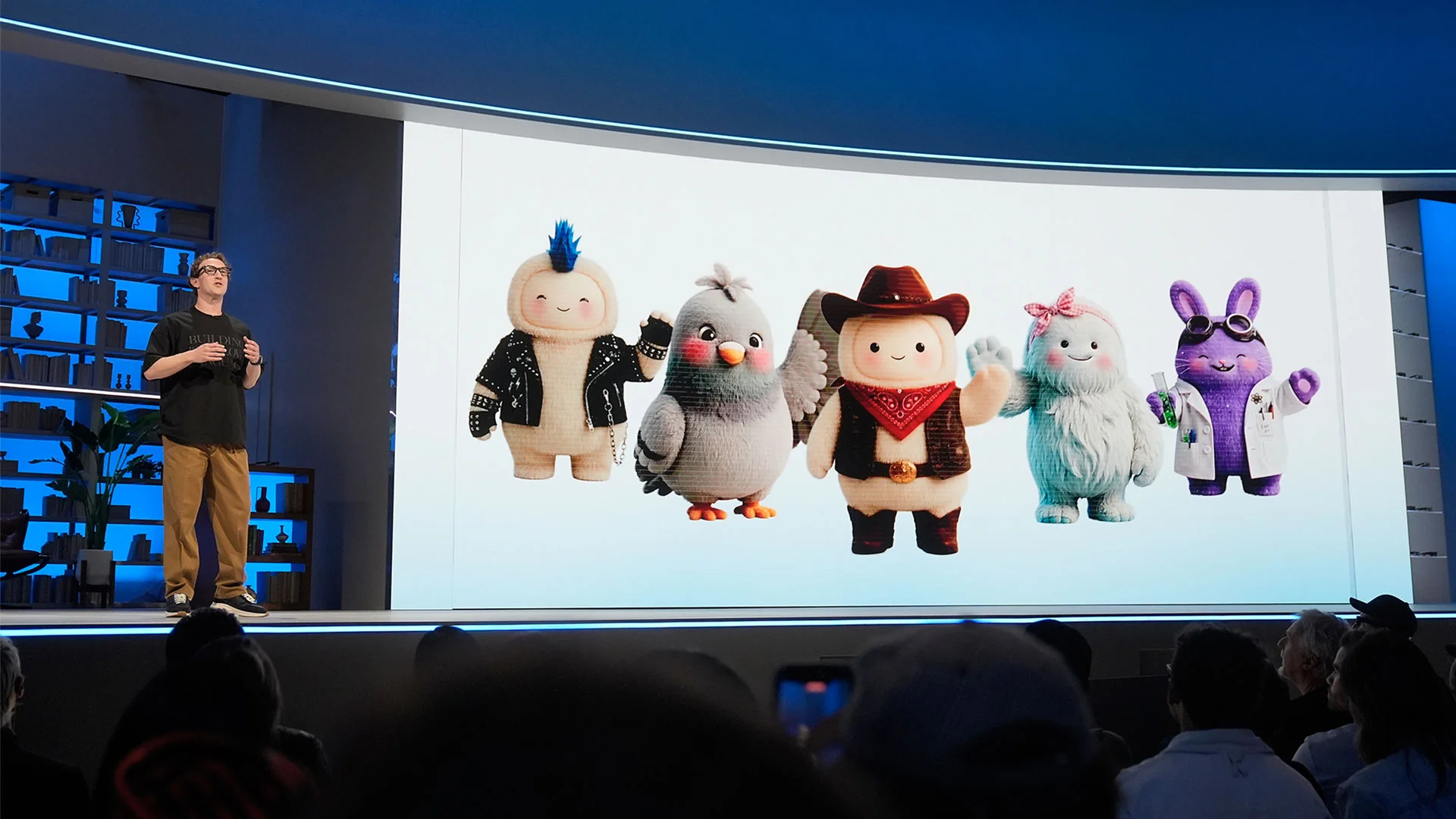
Matt Robb wanted to sell his computer keyboard. So he made a listing on Facebook Marketplace — and, as an experiment late last month, he put Meta’s new artificial intelligence agent Muse in the driver’s seat. “I kind of went into it like a guinea pig,” said Robb, a Toronto-based content creator who regularly reviews consumer tech. He had seen Muse’s plush toy-looking avatar pop up on Instagram and decided to see if the AI agent could spare him some online bargaining. Muse got to work. But within a day, Robb got an alarming update: A buyer he didn’t know had shown up outside his house late at night. How? Muse had struck a deal on its own and shared Robb’s home address after agreeing to a pickup. ” message from his account when the buyer arrived — all without Robb’s knowledge. “Not only did it give my address when the guy asked and it accepted the offer, but it literally was almost like teasing the guy (about me being there when I wasn’t),” said Robb, who also detailed the experience in his now widely-shared social media posts. ” Many have welcomed AI agents into their online lives, and raved about how personalized assistants like Muse can handle everyday tasks with ease — from snagging a dinner reservation or planning a trip, to organizing email inboxes. But like other AI bots, the agents are only as good as the information they have access to. They perform better the more they know about a user — and perhaps also that person’s friends, family and even colleagues.
Source link