They're both suitable options for today's internet needs, but the right one for you depends on availability and price.
For both internet speed and reliability, fiber-optic and cable connections beat alternatives like DSL and satellite connectivity. Fiber is capable of much faster speeds and better reliability, but cable wins in availability while still keeping speeds fast enough. Depending on what you do online, the differences in speed and latency could result in buffering video streams, slow downloads or jittery connections while gaming online.
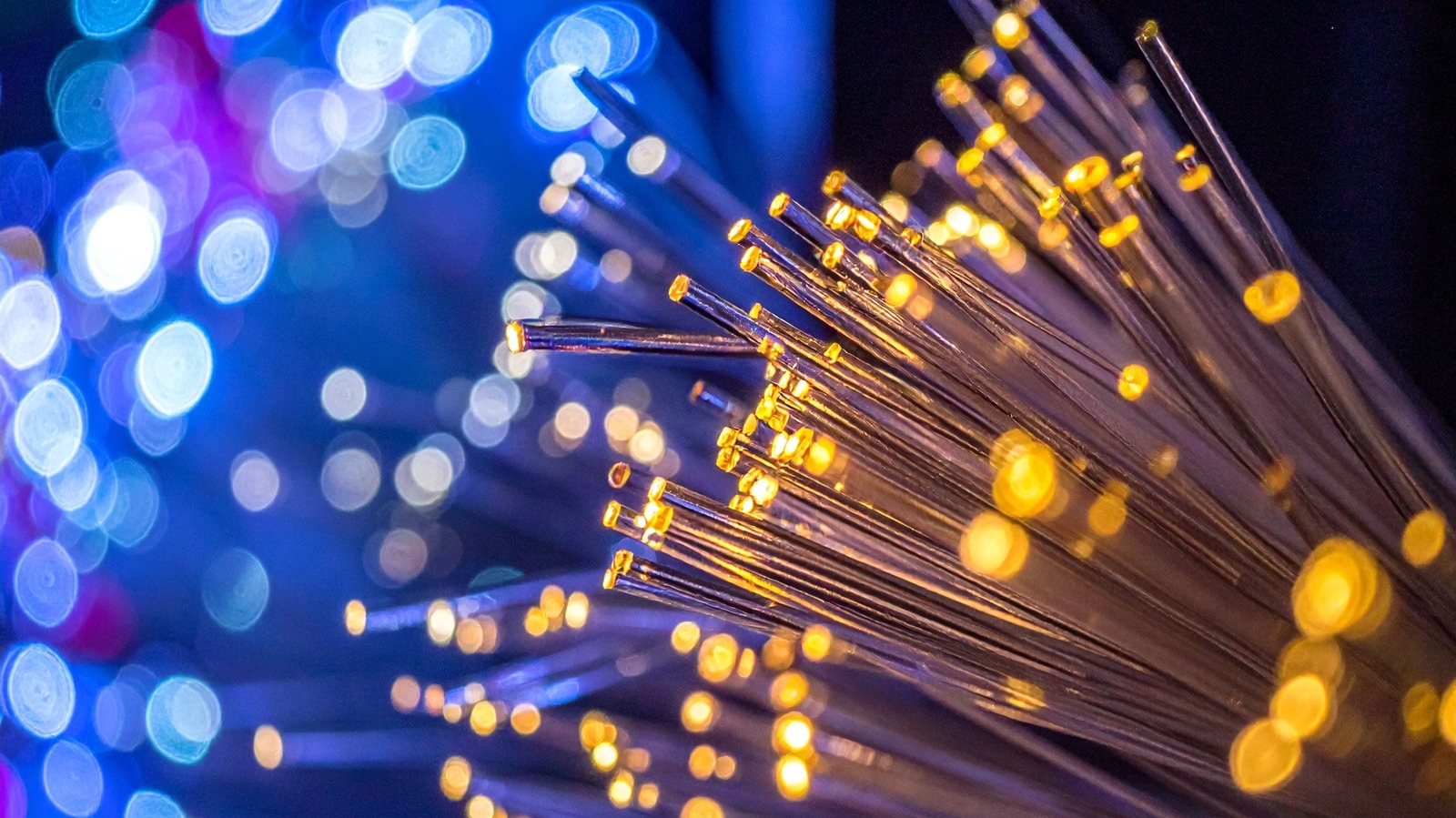
Fiber-optic cables transmit information as light through thin strands of glass wrapped in protective layers of plastic. As for cable, data moves through electricity. Cut open a coaxial cable, and you'll find a copper core insulated with metal and plastic layers. While it's convenient for ISPs since it utilizes the same infrastructure used to deliver cable TV, relying on electricity to transfer information makes it prone to interference from extreme weather or moisture.
Much of the time, picking between fiber and cable comes down to whether fiber is available in your area. The Fiber Broadband Association found that over 60 percent of American households had access to fiber connectivity as of September 2025, while 96.9 percent of Americans have access to a fixed broadband service at 100/20 Mbps according to the FCC. If you have a choice, you should know how they differ and what makes the most sense for your home.
Fiber connections provide better performance than cable because they support vastly higher bandwidth. They aren't subject to cable's physical limitations, where available bandwidth has to be split between two "lanes" for uploading and downloading.
Source link