

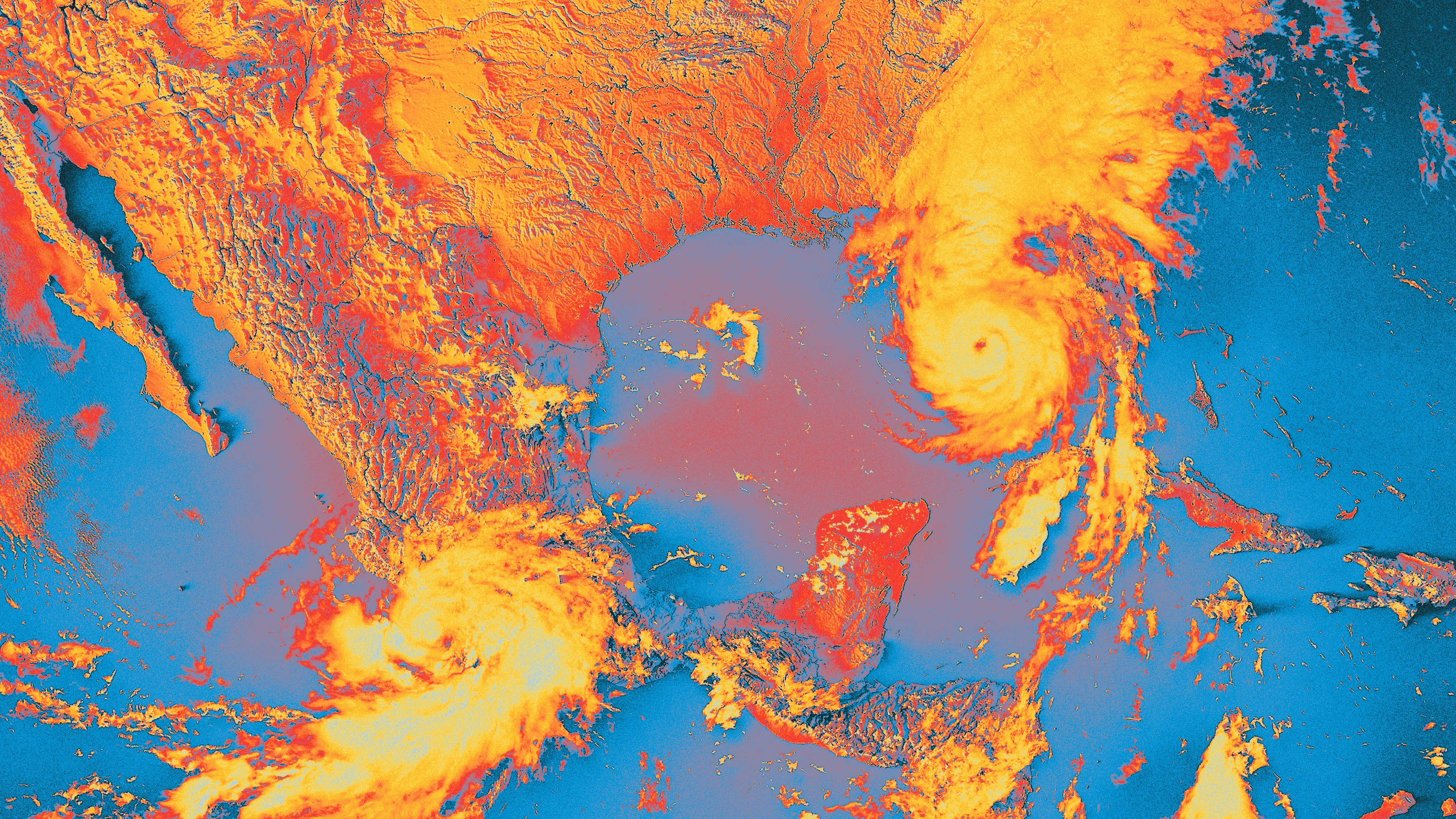
The Atlantic Ocean has had an unusually quiet hurricane season this year. While six named storms have formed, not a single one has strengthened into a hurricane—a rarity that hasn’t occurred in decades.
On the other side of the country, though, Hurricane Polo has rapidly intensified, becoming one of the most intense eastern Pacific hurricanes on record.
These weather anomalies may seem at odds, but they’re both impacted by the “Godzilla” Super El Niño that experts say is shaping up to be one of the strongest in history.
El Niño affects weather patterns around the world, and can amplify extreme weather events. And even though El Niño may reduce the number of hurricanes in the Atlantic, that doesn’t always mean the season is less destructive than other years.
The Atlantic hurricane season spans from June 1 to November 30, though it tends to peak around September 10. In fact, AccuWeather notes that it is unusual “not to have a hurricane spinning on that date.”
On average, a season sees 14 named storms in the Atlantic, with seven that become hurricanes and three that strengthen into major hurricanes.
By September 24 this year, though, there have still been no hurricanes in that ocean. (Tropical Storm Fay is spinning in the central Atlantic Ocean, but it poses no threat to the United States, experts say.)
“The latest occurrence of the first Atlantic hurricane in the last 100 years was September 21, 1941,” Chad Merrill, a senior meteorologist with AccuWeather, tells Fast Company.
Source link