Nature is filled with all sorts of distinct living things, only some of which scientists have formally described and categorized. And sometimes, even previously discovered species can disappear completely from our notice.
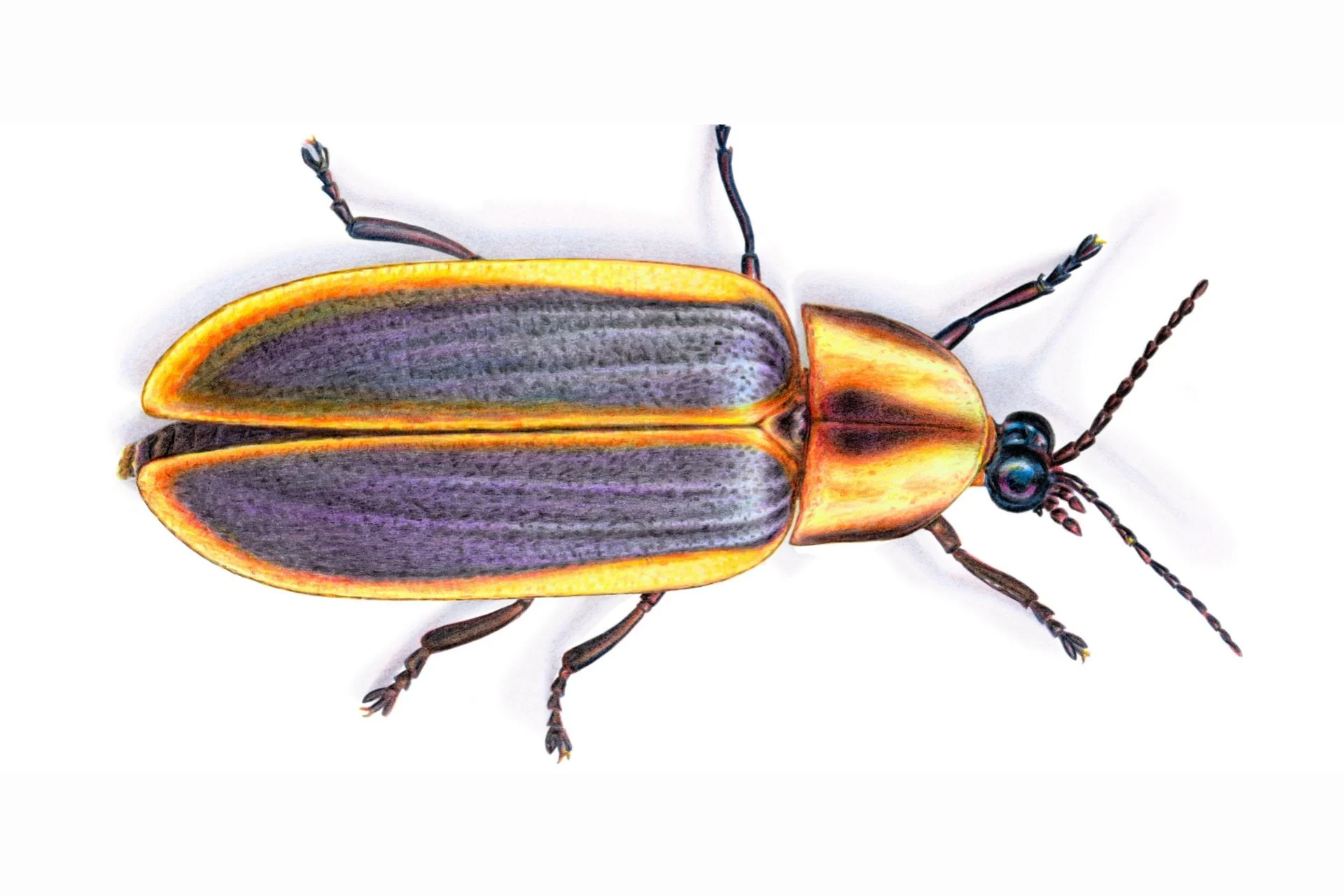
Such was the case with an insect known as Pyractomena similis, a.k.a. the similar firefly. The similar firefly was first named in 1957 by American entomologist John Wagener Green, and it’s thought to be native to parts of the eastern and southern United States. But scientists hadn’t documented any sightings of the firefly since 1983—more than 40 years earlier. The firefly’s disappearance eventually became so noteworthy that the conservation group Re:Wild added it to its Most Wanted list of lost species.
Earlier this year, however, scientist Christopher “Kitt” Heckscher and his team rediscovered the similar firefly, minding its own business in a meadow at Brandywine Creek State Park in Delaware. The team detailed their find in a paper published this month in the Journal of Lost Species. The paper notes there are at least 28 other “lost” firefly species native to the U.S. and Canada—lost meaning there haven’t been any confirmed sightings for at least a decade—that we know nothing about currently.
I reached out to Heckscher to discuss his team’s work and its implications for finding other lost species. The following has been lightly edited for grammar.
Ed Cara, Gizmodo: Was this rediscovery something you were intentionally hoping to make or more of an example of being at the right place at the right time?
Source link