The secret to smart home technology isn’t making your house feel like a sci-fi movie—it’s focusing strictly on your return on investment.
A handful of smart devices will pay for themselves within a year or two through lower utility bills and prevented disasters. Others, however, are expensive novelties that will never recoup their cost.
Here are five smart home upgrades that deliver genuine financial savings, along with three overengineered gadgets you should skip.
Heating and cooling account for over half of the average home’s energy consumption. Traditional programmable thermostats fail because nobody wants to manually reprogram a clunky digital interface every time their schedule changes.
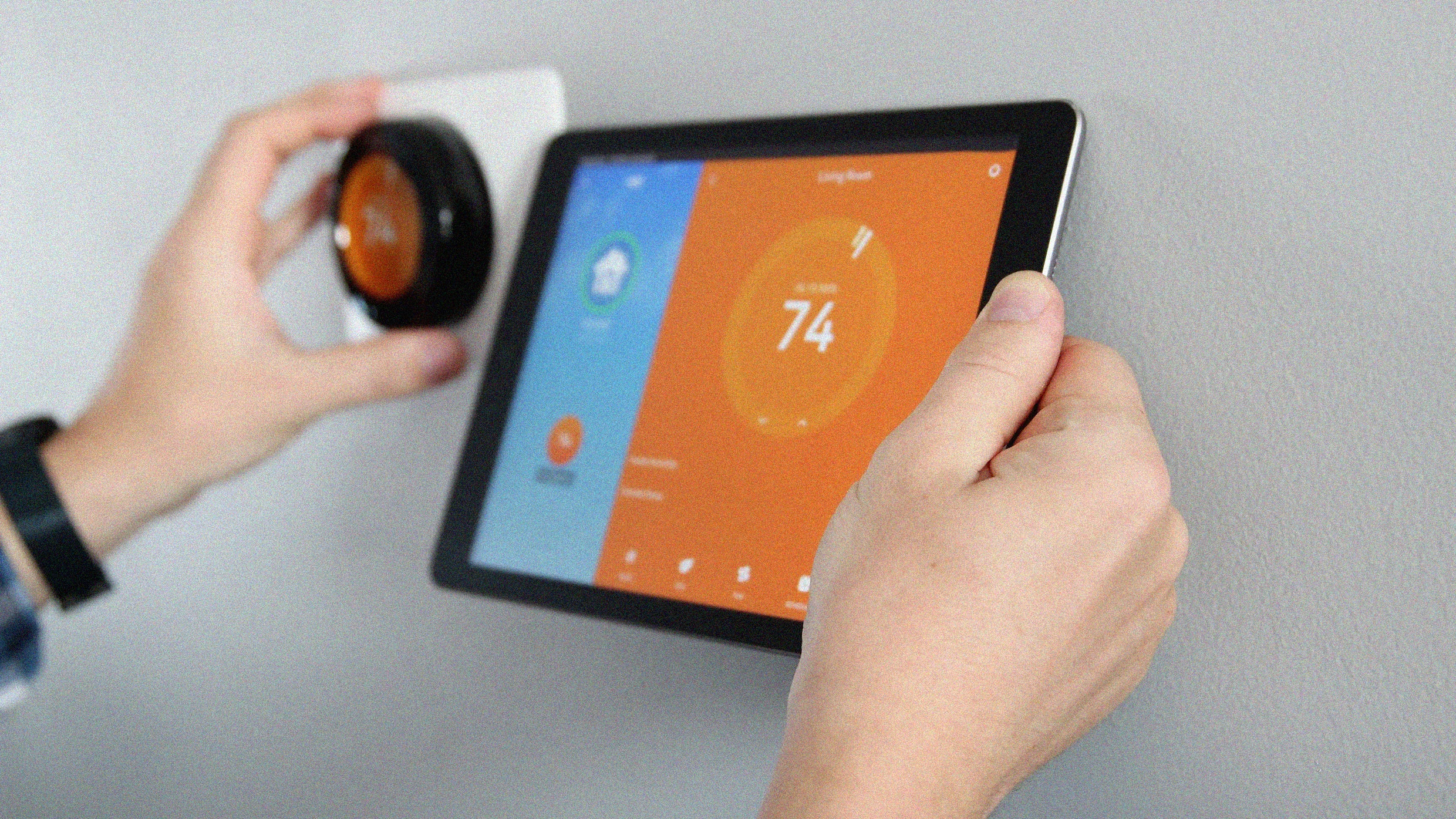
Smart thermostats like Nest and Ecobee use geofencing and motion sensors to know when you’ve left the house, automatically easing back the HVAC. Most households save around 10% on heating and 15% on cooling.
As a bonus, many electric utility companies offer rebates just for installing one.
An unnoticed slow drip behind a washing machine or under a water heater can ruin floorboards, rot drywall, and breed mold long before you spot water pooling in the hallway. The average residential water damage claim costs more than $10,000.
A three-pack of basic Wi-Fi leak sensors costs less than $50. Tucking them under sinks, behind toilets, and next to your water heater ensures you get an instant push notification on your phone the second a drop of water hits the sensor contacts.
Plus, some home insurance carriers offer discounts on your annual policy premium if you install connected leak detection hardware.
Source link