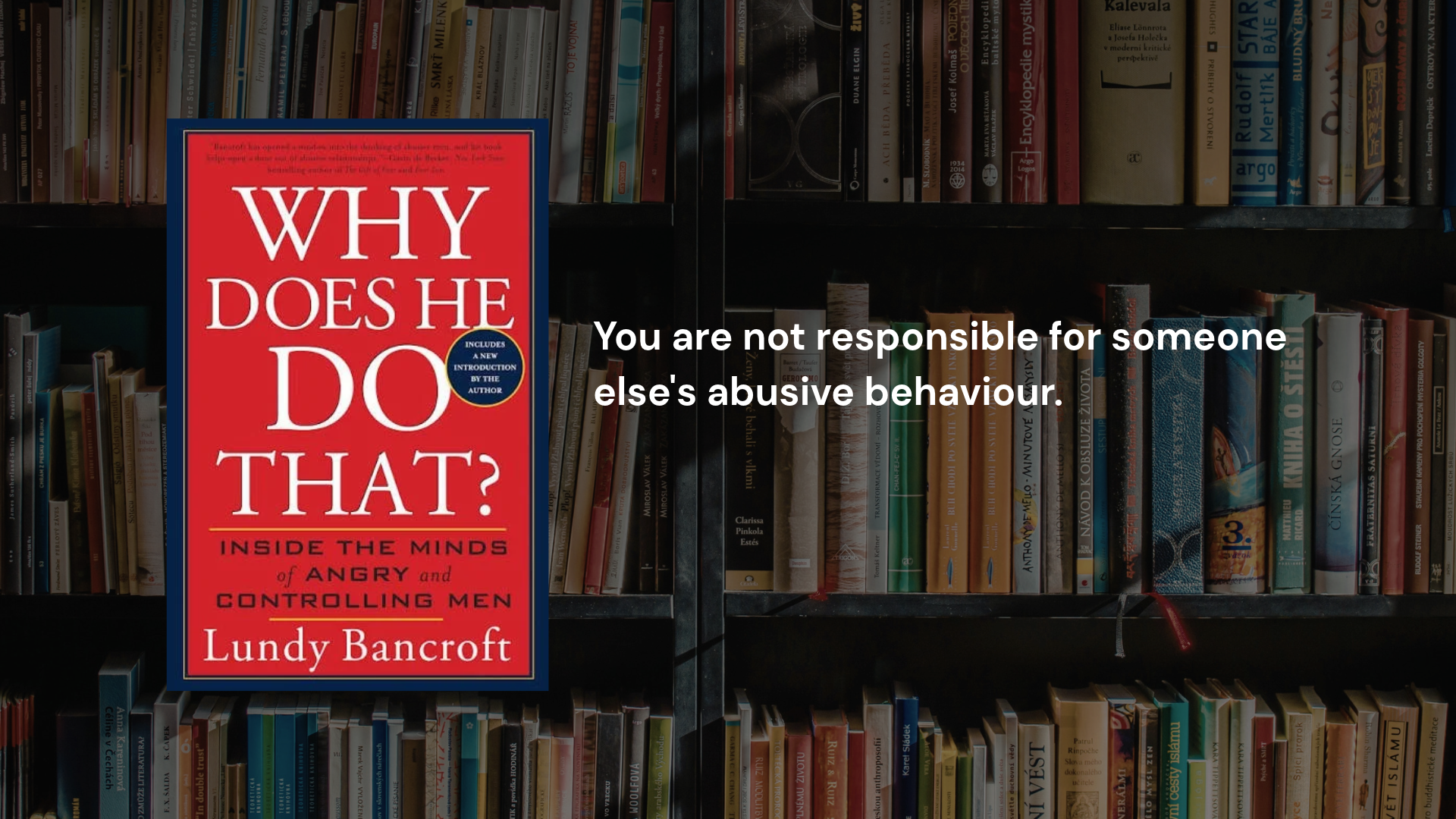
Why does someone who claims to love you also make you feel afraid, guilty, or unworthy? In Why Does He Do That? Inside the Minds of Angry and Controlling Men, author Lundy Bancroft explores the behaviour of abusive and controlling men, challenging common misconceptions about abuse and relationships.
Drawing on his experience working with abusive men, Bancroft explains how controlling behaviour can develop through beliefs about entitlement, power, and relationships. The book encourages readers to look beyond apologies and promises and pay attention to patterns of behaviour.
One of the central lessons of the book is that abuse is not always about anger or losing control. It can also involve deliberate attempts to maintain power over a partner.
Abusive behaviour may include monitoring someone's activities, restricting their friendships, controlling finances, or making them feel guilty for expressing their needs. These actions can gradually undermine a person's independence.
Bancroft encourages readers to recognise that abuse involves more than physical violence. Emotional manipulation, intimidation, and coercive control can also cause significant harm.
Lesson: A healthy relationship respects your independence. Love should never require you to surrender your freedom, friendships, or sense of self.
An apology can feel reassuring, especially when someone you love promises never to hurt you again. However, Bancroft highlights the importance of examining what happens after the apology.
In unhealthy relationships, apologies may be followed by affection, promises, and temporary improvements. Yet the same harmful behaviour can return when the person feels comfortable again.
Source link