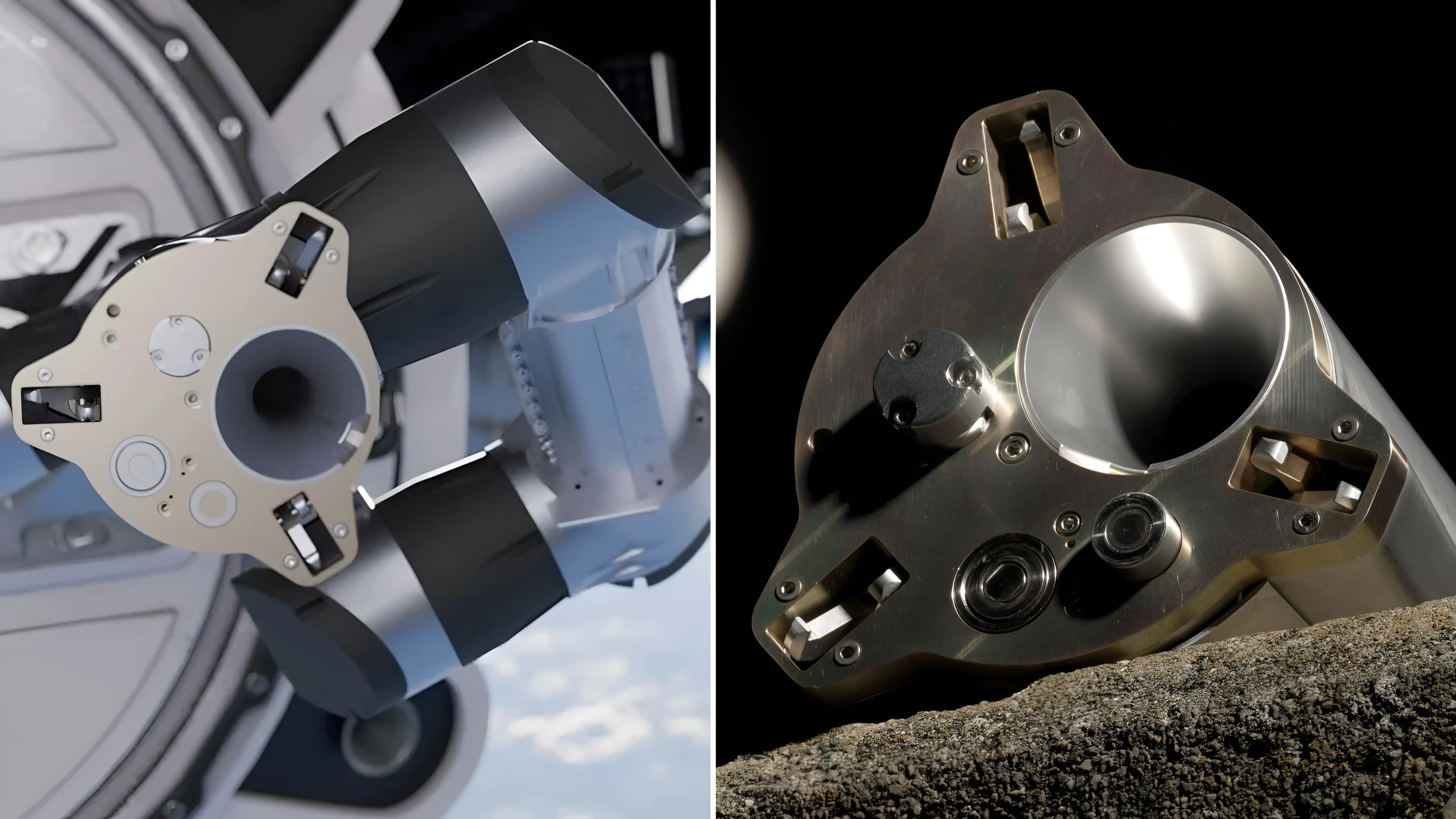
Spacecraft could soon share a common refueling connection, potentially changing how operators manage satellites in orbit. Spaceium has released OpenPort, an open-source interface that any company can license and manufacture for just $1.
The design lets spacecraft receive fuel after launch instead of relying entirely on their onboard reserves. It will also undergo an orbital demonstration aboard the International Space Station.
Most satellites carry a fixed supply of propellant for their planned missions. Once that supply runs low, operators often retire otherwise functional spacecraft. Their electronics and other systems might remain operational, but limited fuel can end their usefulness.
A lack of standardized connections has also complicated orbital refueling efforts. Different manufacturers develop their own interfaces, forcing operators to consider compatibility before arranging fuel transfers. A tanker built by one company might not connect with another manufacturer’s spacecraft.
OpenPort aims to address that problem through an identical connection on both spacecraft. Its androgynous design allows either vehicle to supply or receive propellant. That means a satellite could potentially refuel another spacecraft instead of relying exclusively on dedicated tankers.
The interface also replaces a conventional fill-and-drain valve. Those connections typically serve ground fueling operations before launch. OpenPort keeps the connection functional after a spacecraft reaches orbit.
Spaceium says its design handles higher pressures and greater docking misalignment than competing refueling interfaces. These capabilities could help spacecraft establish reliable connections during demanding orbital operations.
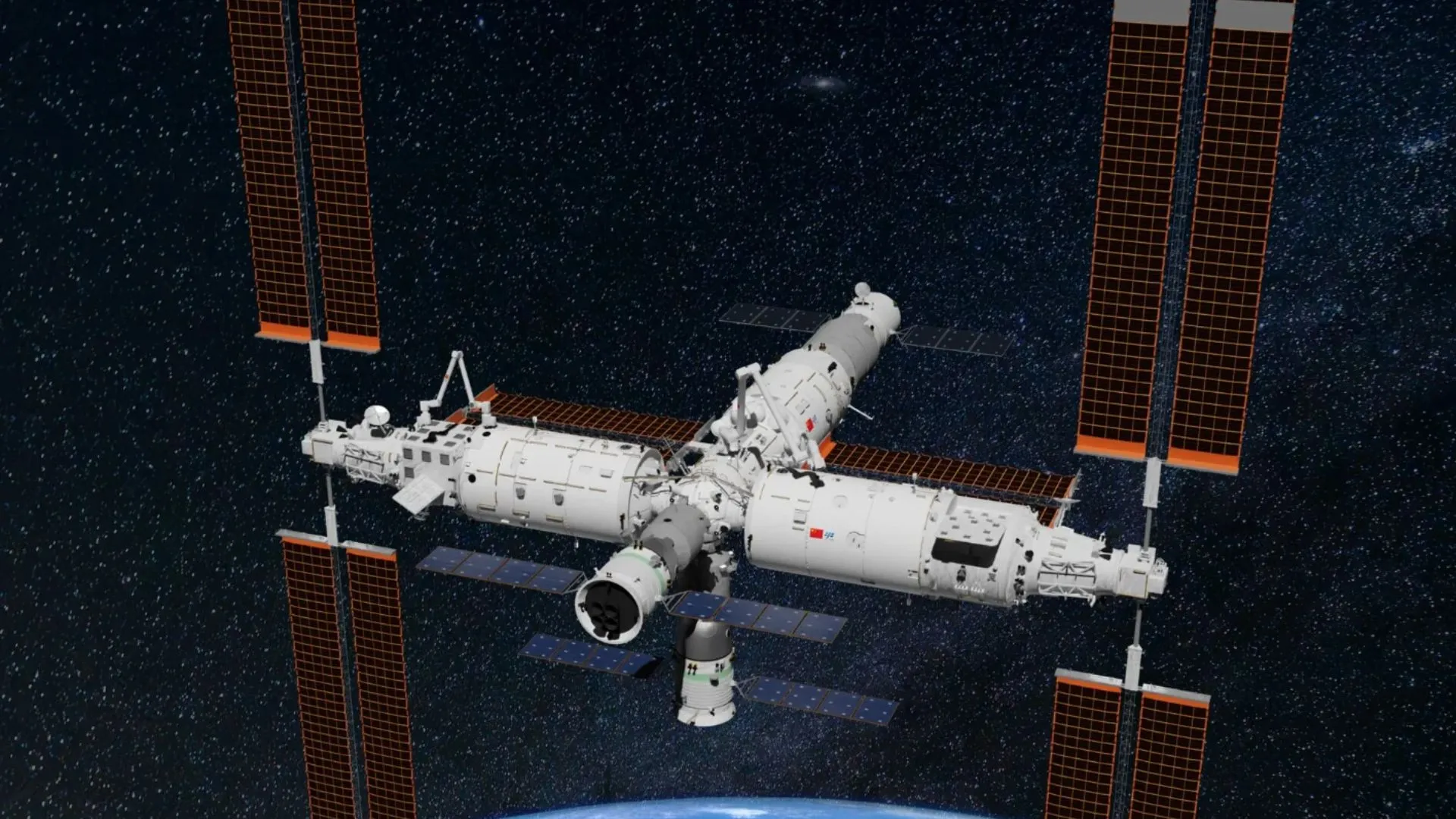
OpenPort’s upcoming demonstration will take place aboard the International Space Station. Spaceium plans to fly the hardware as a NASA-approved external payload through Voyager Technologies’ commercial payload service.
Source link