US-based space power and energy systems developer Teledyne Energy Systems will work with NASA to advance a hydrogen fuel cell designed to power future lunar habitats and deep-space missions.
The company’s Hydrogen Electrical Power System (HEPS) will be advanced from Technology Readiness Level (TRL) 5 to TRL 7 under a Space Act Agreement involving NASA’s Glenn Research Center and Johnson Space Center.
Moving to TRL 7 would require the system to demonstrate its capabilities as a prototype in a space-relevant operational environment. The work is aimed at proving whether HEPS can provide dependable power for demanding exploration missions.
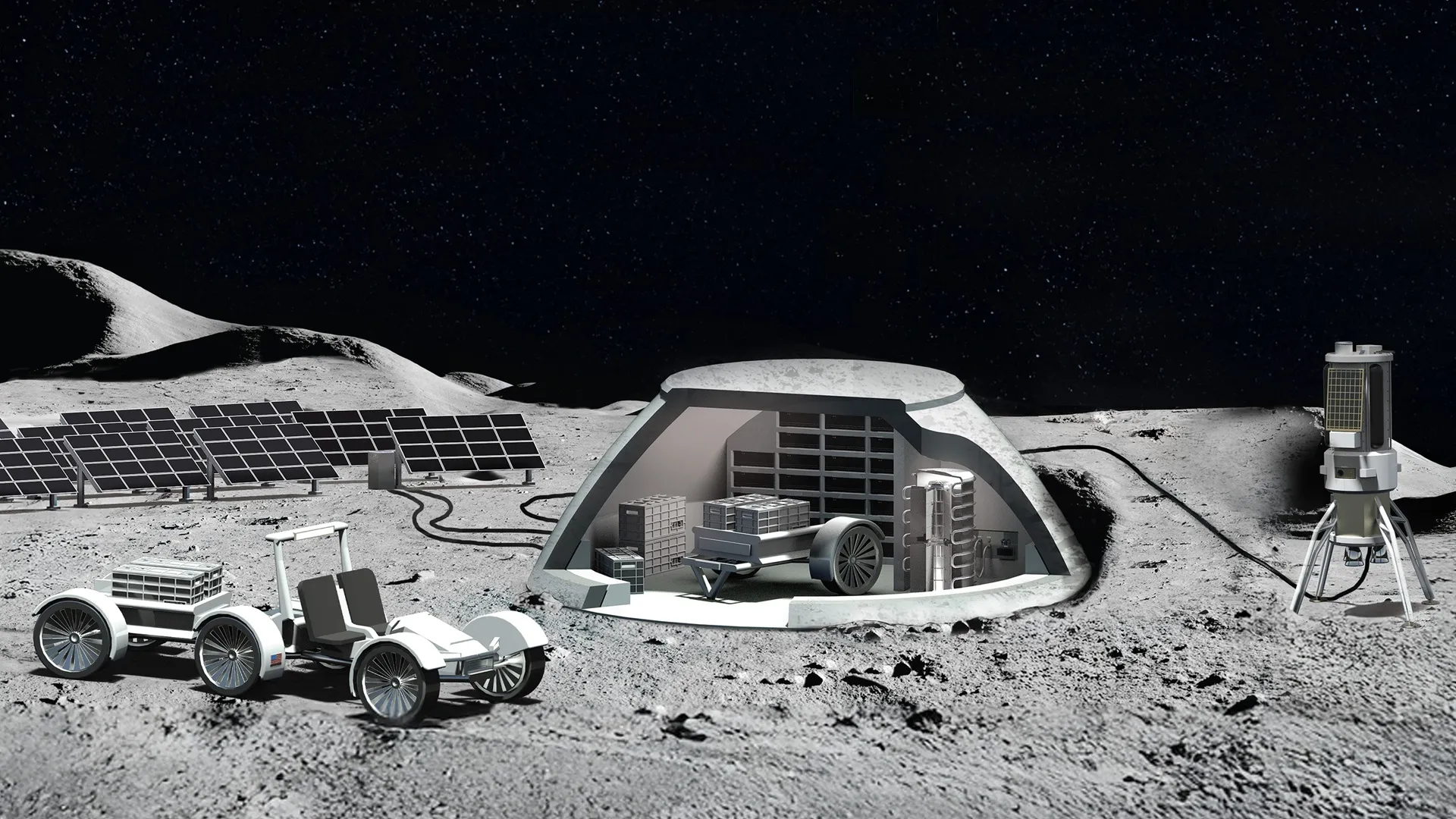
The system is designed to generate electricity using hydrogen while operating independently of atmospheric air. Teledyne says the technology could eventually support lunar habitats, surface infrastructure and other systems requiring reliable power in harsh environments.
Unlike conventional fuel cells that may draw oxygen from surrounding air, HEPS is designed as an air-independent system. That capability is important for operations beyond Earth, where power systems cannot depend on an ambient terrestrial atmosphere.
The collaboration will use technical expertise and facilities at NASA Glenn and NASA Johnson to validate the fuel cell’s performance in relevant space environments.
“Selection for this collaboration is an important milestone for our hydrogen fuel cell technology and reflects the strength of our longstanding relationship with NASA,” said Barbara Stachowiak, Vice President and General Manager of Teledyne Energy Systems.
“Advancing HEPS to a higher technology readiness level will further demonstrate its potential to provide reliable, scalable energy for future exploration architectures and long-duration surface operations.”
Source link