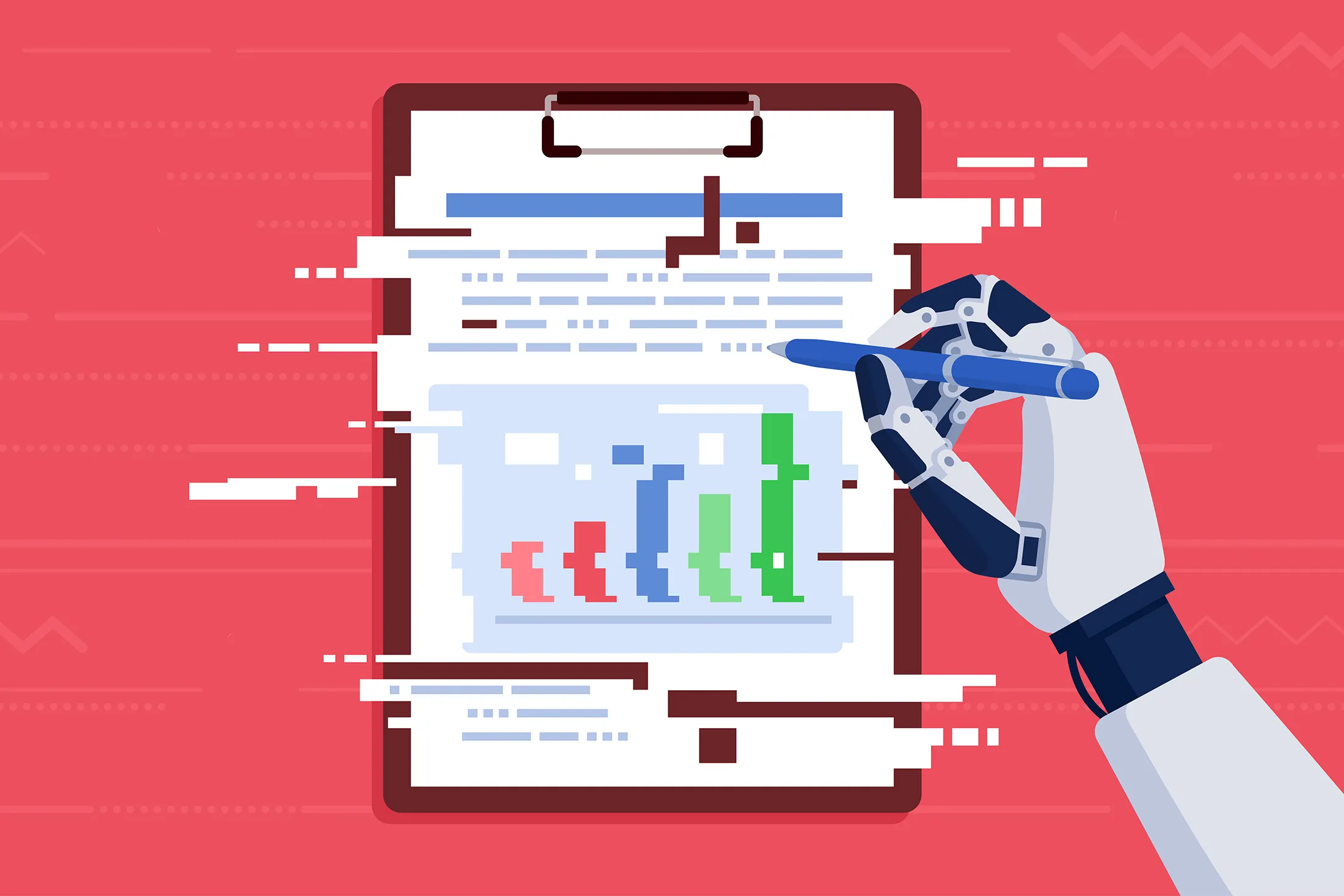
It’s okay to use ChatGPT and other LLMs to formulate a marketing strategy, but your marketing plan should not be formed without using real data and inputs from your business.
I have observed many founders or marketers regularly enter the same prompt into Claude or ChatGPT. “Build a marketing strategy for my business.”
Seconds later, ChatGPT pushes out a complete marketing plan. It is organized, articulate and packed with marketing best practices: SEO, paid acquisition, social media content, email nurtures, webinars, account-based marketing and a video strategy.
This may feel like an instant win for a busy founder or marketer, but when you hand that document to your team, or try to execute it yourself, it almost always fails.
The strategy isn’t wrong. It is generic. And as detailed in Clarity Digital’s analysis titled “Why Generic AI Marketing Strategies Fall Flat,” mistaking a generic AI document for an executable roadmap is one of the fastest ways to burn capital.
To be clear: You absolutely can use AI to build a marketing strategy. Large Language Models (LLMs) are useful tools for understanding audience research, stress-testing hypotheses, analyzing raw feedback and drafting strategic frameworks.
The breakdown occurs when leaders outsource strategic judgment to an ungrounded AI.
A real strategy is not a comprehensive list of good ideas. It is a set of choices backed by data and your available resources: what your business will prioritize, what it will fund and, most importantly, what it will explicitly refuse to do based on scarce resources.
Source link