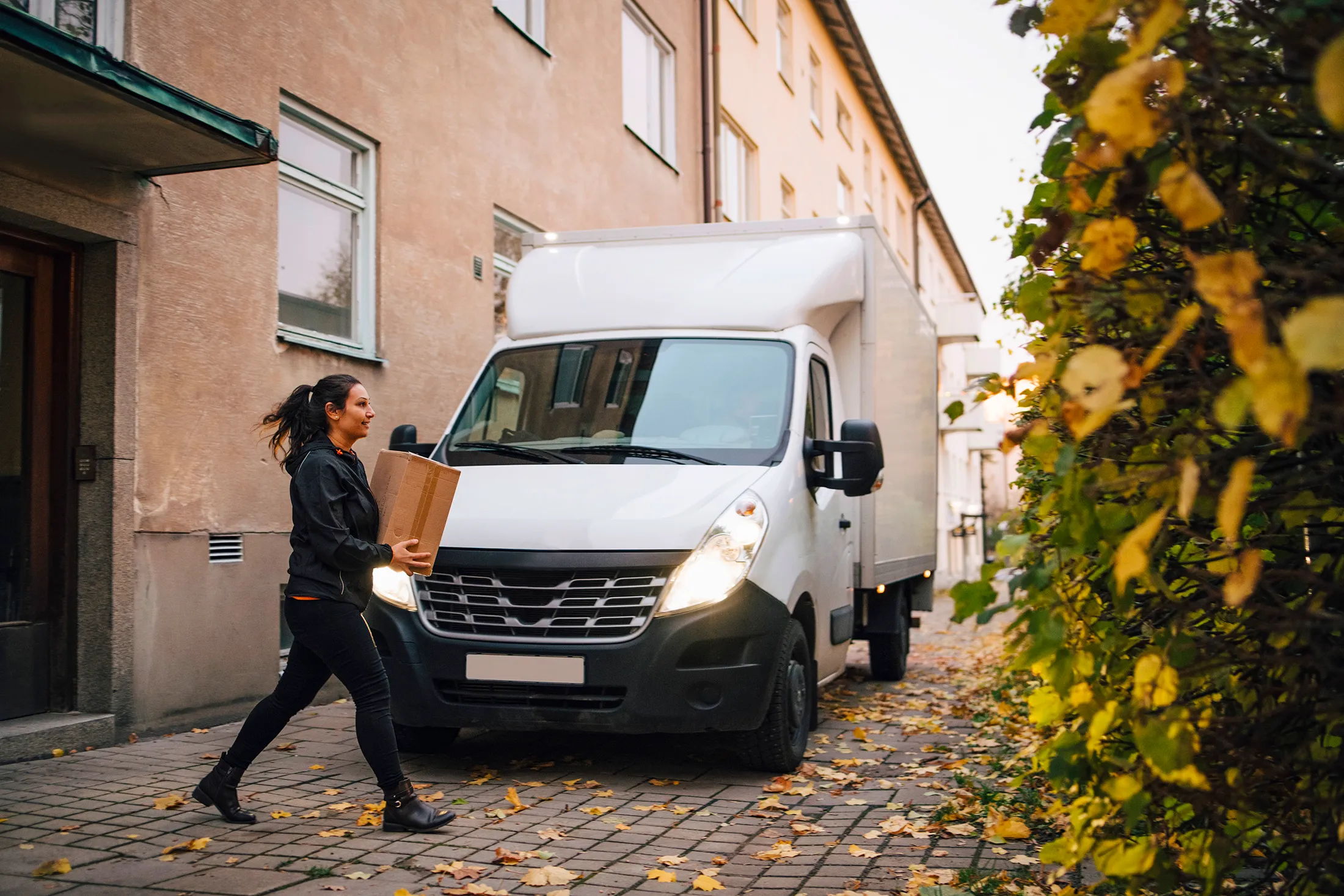
Building an in-house delivery fleet may seem like a smart way to reduce costs and gain greater control, but these challenges can quickly impact profitability.
The invoices from the regional carrier keep getting bigger. For the owner of a growing home furnishings retailer, delivery has become one of the largest expenses outside of inventory, and the complaints that come with it — missed windows, damaged pieces, vague updates — still land on her desk.
So she runs the numbers on three cargo vans and three full-time drivers. On paper, the savings look obvious. What the spreadsheet leaves out is that she is not just buying vans. She is starting a transportation operation inside a company built to sell furniture.
The case for in-house delivery is legitimate. You decide when orders go out and how customers are treated at the door. You depend less on a third party’s capacity during busy weeks, you can coordinate dispatch directly with inventory, and at sufficient volume, you may lower your cost per delivery.
The catch is that an outside carrier bundles its costs into a price per stop. Once you own the operation, those costs scatter. Maintenance appears in repair invoices, insurance in renewal paperwork, depreciation on the balance sheet and recruiting and supervision both in payroll and in the owner’s calendar. Vehicles also sit idle on slow days and break down on busy ones.
In-house delivery is not automatically cheaper. Build a fully loaded cost per delivery that includes idle time, downtime, fuel, insurance, depreciation and management hours, then compare it with outsourced pricing across slow weeks as well as peak ones.
Source link