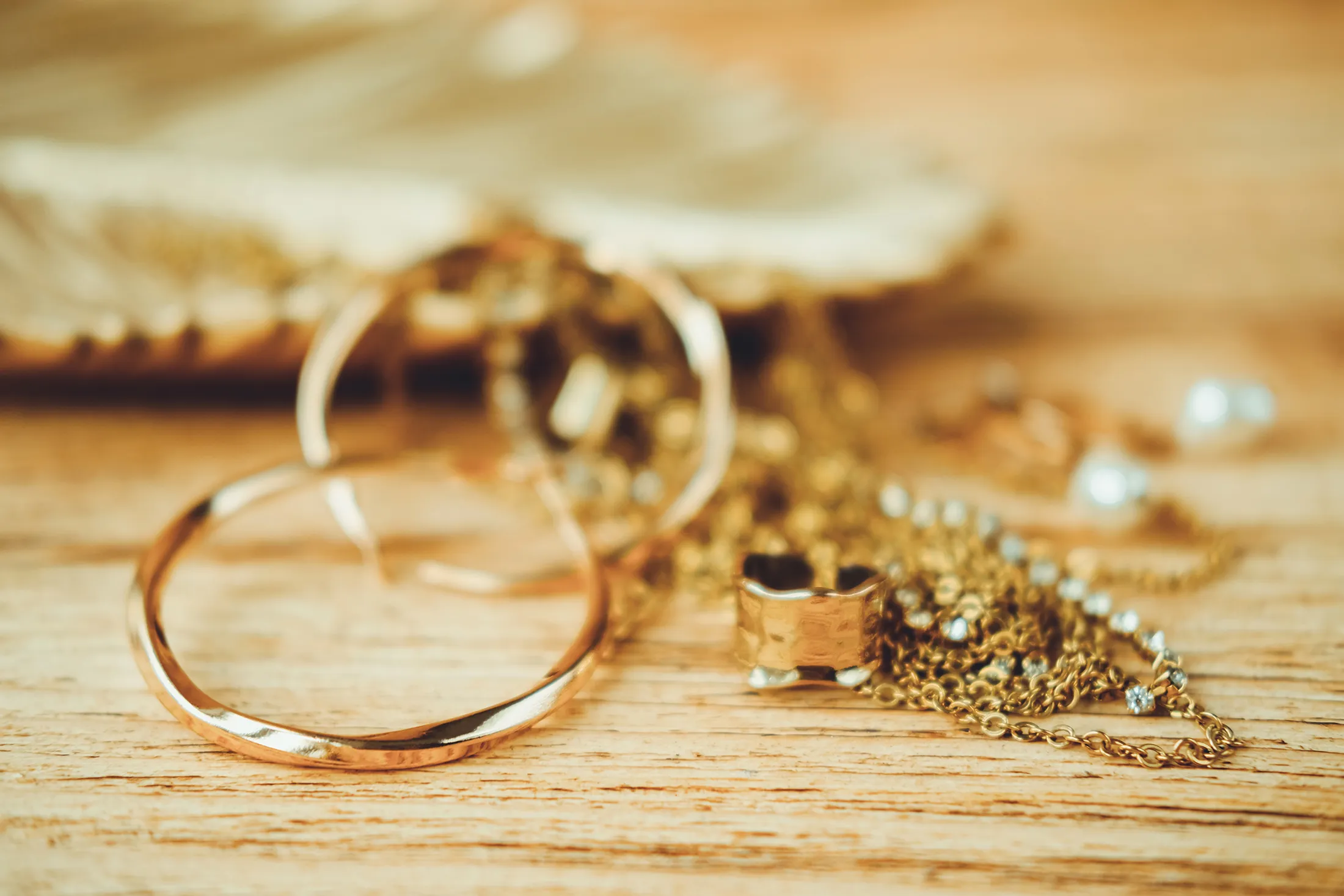
We’re talking about the Great Wealth Transfer too narrowly. Here’s why millions of heirs are looking to value and sell inherited jewelry.
When economists and financial advisors talk about the Great Wealth Transfer, the conversation almost always centers on traditional financial assets: brokerage accounts, primary residences, retirement accounts and family businesses.
These numbers are massive, to be sure. Cerulli Associates estimates that $124 trillion will transfer through 2048, with $105 trillion passing directly to heirs. Nearly $100 trillion of that sum will originate with baby boomers and older generations.
Yet wealth does not sit exclusively on a balance sheet. It lives inside our homes, stored in safes, tucked into back drawers and resting quietly in velvet jewelry boxes.
It’s estimated that half of the gold ever mined in human history exists today as jewelry. Millions of families are about to inherit gold jewelry, luxury watches, diamonds, heirloom rings, coins and precious metals alongside standard investment portfolios.
We are not just approaching a Great Wealth Transfer. We are on the precipice of the Great Jewelry Transfer. Unlike a stock portfolio or checking account, heirloom pieces rarely arrive with a neat financial statement telling heirs what they own, leaving many unprepared when it’s time to evaluate, keep or sell inherited jewelry.
When people inherit jewelry, emotional value and real financial worth collide.
They’re left asking basic financial questions: Is this real? Is it worth $200 or $20,000? Does the value come from the gold, the quality of the stones, the brand or the item’s vintage status?
Source link